It is the generation that suffers and will suffer the consequences and contingencies of inevitable climate change. What new sensitivities developed and what readiness to act? According to the academic survey, “a shift to conscious action is missing.” Details and insights.
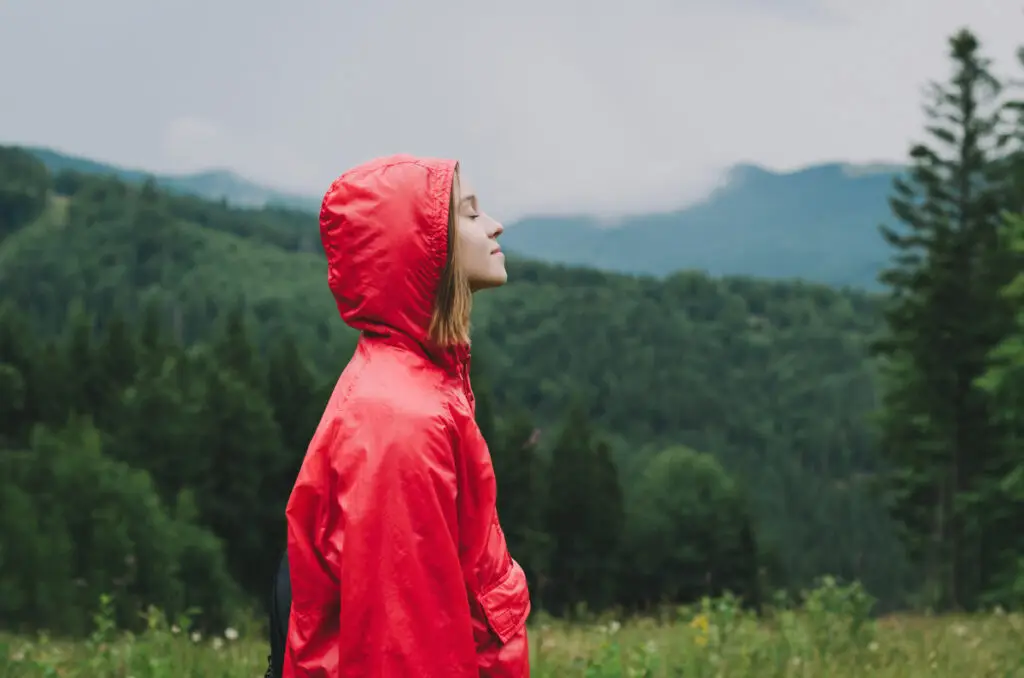
They are the generation that, more than any other in the world of contemporary history, has decided to stand up for the environment. They are the generation that, perhaps before others, came to terms with the inevitable disruptions of climate change, thinking about what their own future and that of their children would be. They are the young men and women of Generation Z.
But, as they say, there is a sea between saying and doing. And it is precisely in this direction that a research conducted by the Chair of Pedagogy and Education for Ecological Transition atSacred Heart University together with theAlta Scuola per l’Ambiente and Silea spa goes. Objective? To investigate GenZ’s new sensitivities to the environment and their willingness to act. And, what emerged, is a chiaroscuro picture.
Indeed, on the one hand, we have a generation that is intrigued and attentive to the macro-themes that now dominate the global scene, such as climate change, energy transition and sustainability, in all its many facets, from food to mobility. At the same time, however, a portrait seems to be emerging of a generation that has little knowledge of the realities involved in sustainability on their own turf and is unlikely to want to expose themselves in the first person on social media to make popularisation. “They don’t want to spend themselves in the first person,” explains Elisa Zane, one of the researchers who conducted the survey together with Serena Mazzoli, a research fellow, and Pierluigi Malavasi, ASA director, “There is a lack of a shift to conscious action.”
And whilst the topic is certainly interesting food for thought, in order to understand why the digital native generation seems to be held back when faced with the use of social media to make popularisation of an issue close to their hearts, a few small considerations are necessary. First, the nature of social media itself. Bucking the algorithm, standing out and making yourself visible on these platforms is not easy: a piece of content every now and then, posted when you have time, with a relevant caption is not enough. To get to those results, it is important to know how to move your steps on each social platform. Again, the so-called haters, who are now everywhere, increasingly aggressive and violent, interacting just for the sake of insulting, even when, on the contrary, one could stimulate a constructive discussion. Why then expose yourself and not prefer a peer-to-peer, face-to-face dialogue?
Let us also not forget the small daily actions: using public transportation or bicycles instead of cars or mopeds, choosing to buy more sustainable products at the supermarket instead of preferring the industrial product, even if it is cheaper. Small gestures that, however, help make a difference. And let’s break a lance in favour of these young people who, more than others, are teaching us the value of sustainable choices.