On the eve of the Belém climate conference (the COP30), CO₂ emissions data arrive. And they are not good. Not at all: carbon dioxide levels in the atmosphere reached a new all-time high in 2024, with a jump not seen since 1957. The World Meteorological Organisation’s (WMO) Greenhouse Gas Bulletin reveals this.
The global average concentration of CO₂ increased between 2023 and 2024 by 3.5 parts per million (ppm): the largest increase since modern measurements began. In the 1960s, the average annual growth was 0.8 ppm. Between 2011 and 2020 it stood at 2.4 ppm. Now we are at 3.5. In sixty years, therefore, the rate of increase has tripled.
In 2024, CO₂ reached 423.9 ppm, up from 377.1 ppm in 2004, when the first edition of the bulletin was published. And against 280 parts per million in the pre-industrial era.
The climate vicious circle
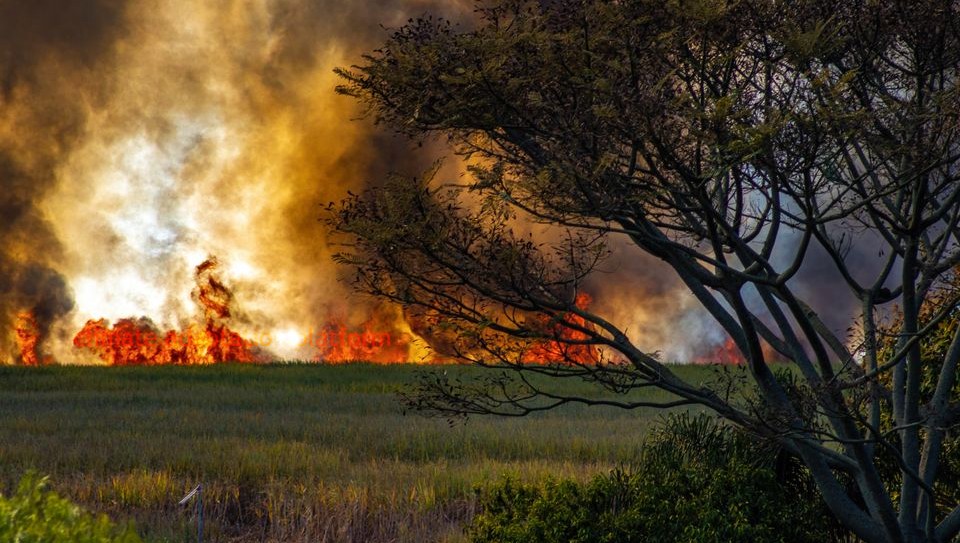
The causes of this staggering increase are no mystery: the culprits are fossil fuels, deforestation, and ranching. It might seem mysterious why we do not react in the face of an ascertained and devastating threat, certified by the scientific community. But if we then go and look at the diligent work of the fossil lobbies and the rivers of money they invest to make doubts appear where certainties exist, we better understand the situation we are in.
A situation made even more difficult by the knock-on effects produced by the climate crisis. WMO tells us that so-called “carbon sinks”—the terrestrial ecosystems and oceans that absorb about half of the CO₂ emitted each year—are losing effectiveness. “Heat trapped by CO₂ and other greenhouse gases is leading to more extreme weather conditions. Reducing emissions is therefore essential not only for the climate, but also for the economic security and well-being of communities,” said Ko Barrett, deputy secretary of the World Meteorological Organisation.
The organisation speaks of a “climate vicious cycle”: the higher the global temperature rises, the less CO₂ the oceans (due to the lower solubility of the gas at higher temperatures and the progressive acidification of the oceans) and forests (droughts and fires) can absorb.
Not just CO₂: methane and nitrous oxide also at all-time highs
In addition to carbon dioxide, the other two main greenhouse gases are also growing: methane (CH₄) and nitrous oxide (N₂O). Methane, responsible for about 16 per cent of the long-lived greenhouse effect, reached an average concentration of 1,942 parts per billion (ppb) in 2024, an increase of 166 per cent over pre-industrial levels. About 60 per cent of emissions come from human sources: intensive livestock farming, rice cultivation, biomass burning and fossil fuel exploitation.
Nitrous oxide, mainly related to the use of agricultural fertilisers and industrial processes, came in at 338 ppb, a 25 per cent increase over the pre-industrial era.
These data will form the basis of the Emissions Gap Report that the United Nations Environment Programme (UNEP) will release on 4 November, just weeks before the opening of COP30. The document will compare current emissions with those compatible with the Paris Agreement’s goal of limiting global warming to 1.5 to 2°C. But we already know that the gap between where we are and where we should be continues to widen.