Debuting today on PBS is The Future of Nature, a new four-episode documentary series that offers a surprising perspective on the role of carbon in our planet and the regenerative power of nature. Featuring the narrative voice of actress Uma Thurman and produced by Brian Leith Productions in collaboration with ARTE France, the series is distinguished by its accessible scientific storytelling, the cinematic quality of the footage, and the innovative use of graphics to make the invisible visible: carbon.
The series is the result of international work involving climatologists, ecologists, indigenous leaders, economists and leading scientists, with the goal of showing how natural ecosystems are already playing a key role in rebalancing Earth’s climate systems. “This is an unprecedented series that offers a new perspective on the role that all ecosystems play in regulating Earth’s carbon budget,” said Boccaletti, the scientific director of Cmcc (Euro-Mediterranean Center on Climate Change, which is among the executive producers.
There is not only denunciation of climate change, ample space is given to concrete solutions already in place, exploring how forests, oceans, grasslands and even urban areas can be allies in the fight against global warming. In fact, the journey is divided into four key ecosystems.
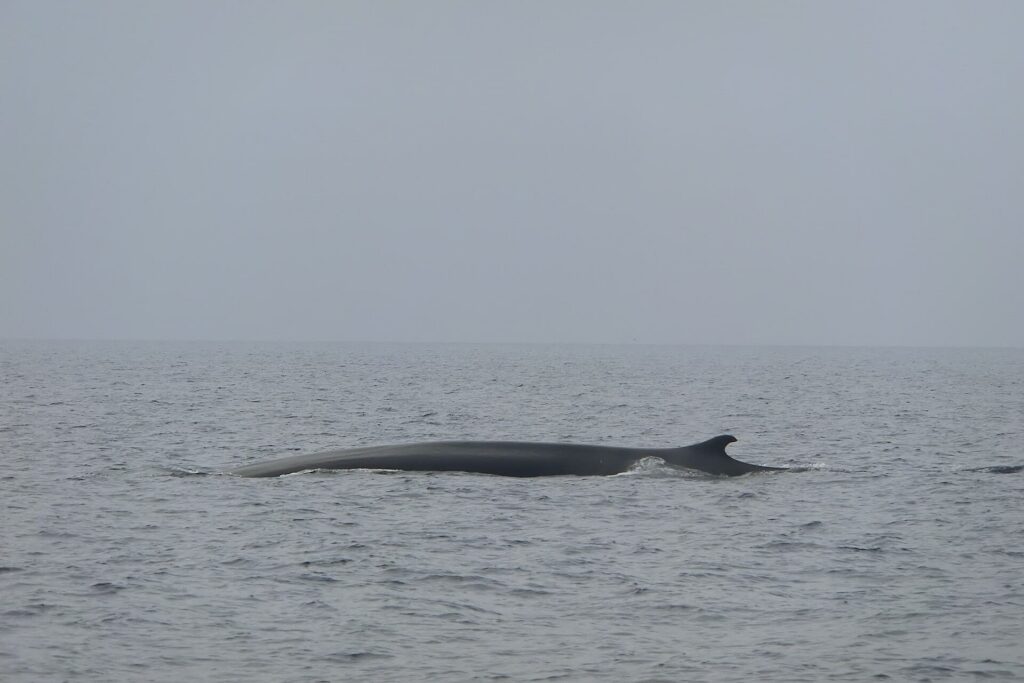
Oceans. The series opener takes us to the deep sea, where the workings of the “biological carbon pump” are explained. Plankton, whales, fish, and even their excrement play a key role in absorbing atmospheric carbon. Through stunning images and clear scientific explanations, the extraordinary complexity of ocean life and its impact on climate is illustrated.
Grasslands. From the African savanna to the Arctic tundra, via the Great Plains of Kazakhstan and North America, grasslands are an often underestimated but critically important ecosystem for carbon sequestration. Here, biodiversity and the presence of large herbivores demonstrate how life enhances the Earth’s ability to self-regenerate.
Forests. Forests, the “green lungs” of the planet, are amongst the most powerful absorbers of carbon. However, their effectiveness depends on ecosystem health. This episode explores both the risks of deforestation and the hope offered by reforestation projects and indigenous forest management, as demonstrated by communities that are repopulating the Amazon.
Humans. The final chapter reverses the narrative: no longer just nature saving humans, but humans saving nature. Humans are presented as a “key species” with the ability to redesign their impact on the planet. Stories of innovation and hope are told: green cities in China, resilient communities in Brazil, urban initiatives in the United States. The message is clear: a sustainable future is possible, and it passes through us.
The series will be available for streaming on all PBS platforms, including PBS.org and the PBS app, compatible with iOS, Android, Roku, Apple TV, Amazon Fire TV, Samsung Smart TV, Chromecast and VIZIO devices.