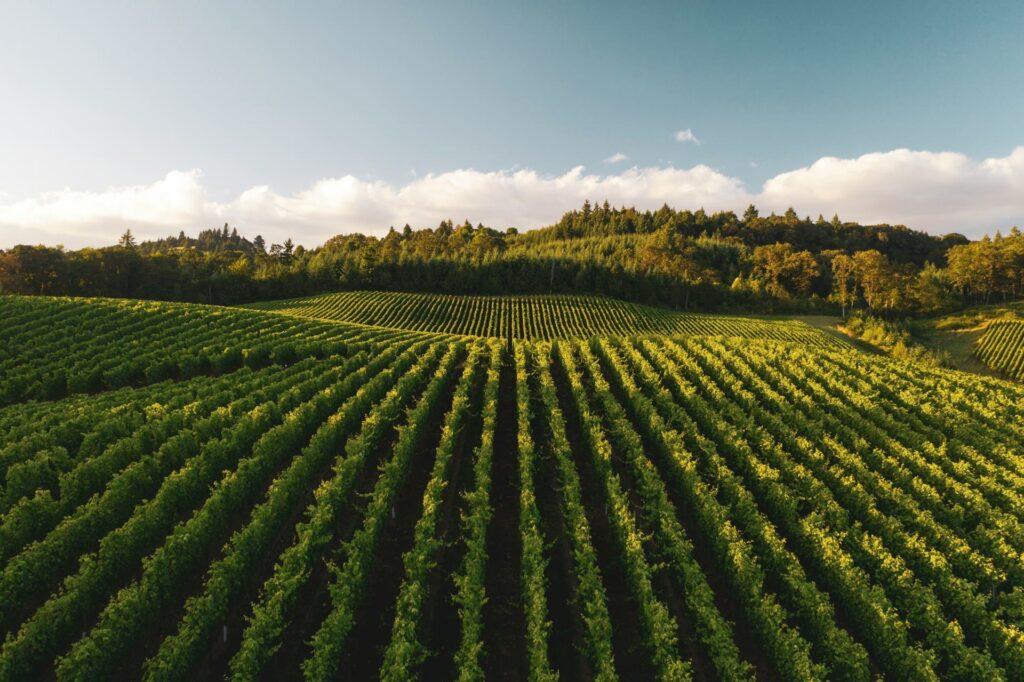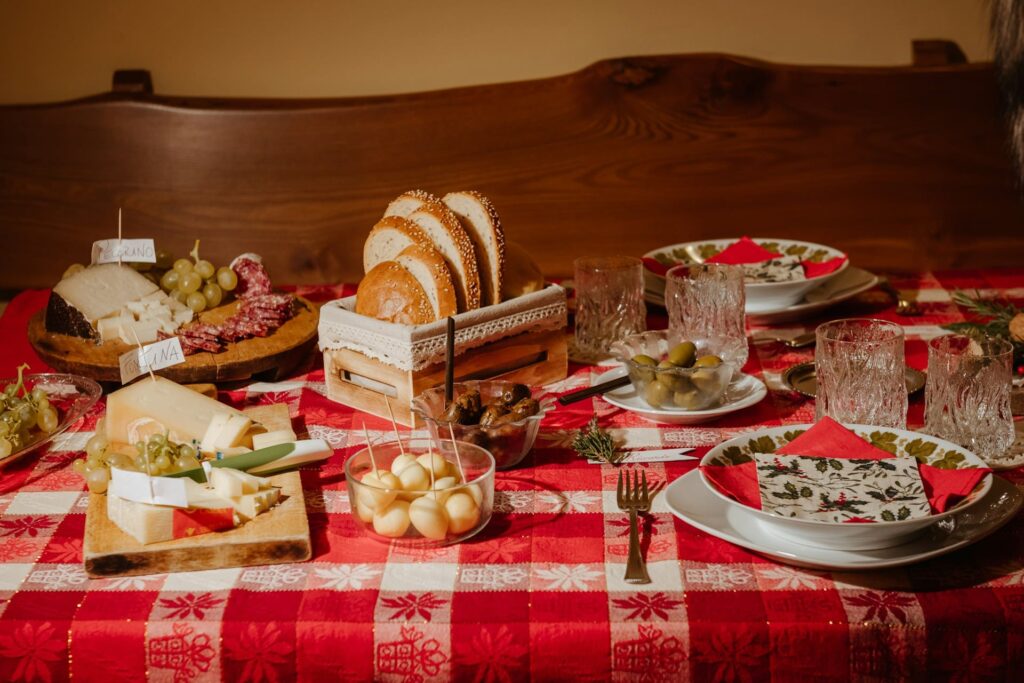
The climate crisis sits at the table. And it does so even at the most symbolic time of the year,
Spices and sweets, the taste that wavers
Cinnamon, vanilla, cocoa and sugar are the soul of Christmas sweets, but they almost all come from tropical areas that are particularly exposed to heat waves, droughts and extreme events. Crops that require stable climatic conditions now face unpredictable seasons, erratic harvests and declining yields. The result is a more vulnerable supply chain, with rising prices and less predictable availability. The scent of the holidays is in danger of becoming a luxury.
Of all of them, cocoa is perhaps the epitome of the climatic fragility of global food supply chains. It grows in a very narrow climate band, with temperatures and moisture levels that do not tolerate large variations. Major production areas, especially in West Africa, are increasingly affected by heat waves,
Holidays under stress
Turkey, the great classic of Christmas tables in some areas of the world, is also increasingly exposed to the effects of climate change. Higher temperatures increase farming costs as they affect animal health and facility management. Added to this are the difficulties associated with feed production, which is affected by drought and extreme weather. The result is a more expensive product and a less stable supply chain.
Side dishes are not faring any better either. Potatoes, onions, cabbage, and other typical cool-season vegetables are increasingly falling victim to heavy rains, floods, or, conversely, long dry spells. Flooded fields at harvest time or pests favoured by milder winters compromise yields and make supply less predictable. Even what was considered “simple food” can become vulnerable.
Christmas remains Christmas, but its table becomes a mirror of a food system under pressure. Even in the kitchen, however, one can organise to respond. Choosing seasonal and local produce, reducing waste, and diversifying menus are small adaptations to a change already underway. Because if the climate is rewriting the rules of agriculture, traditions-willing or not-will have to learn to adapt as well.