A decisive game for the future of Italian soils is being played in our kitchens and city parks. The Italian Composters’ Consortium 2025 Report recounts a sector that is already an industrial and energy lever, but today calls for quick choices in order not to lose ground. The collection of wet waste is at a standstill, the quality of the conferred waste is getting worse, and a significant portion of organic material does not make it to recycling. But there is a real opportunity: turning waste into fertility and sequestered carbon.
The Italian Consortium of Composters is a non-profit organisation dedicated to promoting and enhancing the activities of recycling the organic fraction of waste and the products derived from it (compost, biomethane, etc.). The Consortium has one hundred and fifty members and brings together and represents public and private entities that are producers or operators of composting and anaerobic digestion plants, trade associations, technical studies, laboratories, research institutions, manufacturers of machinery and equipment, and other companies interested in composting and organic waste management activities.
A network of 363 facilities
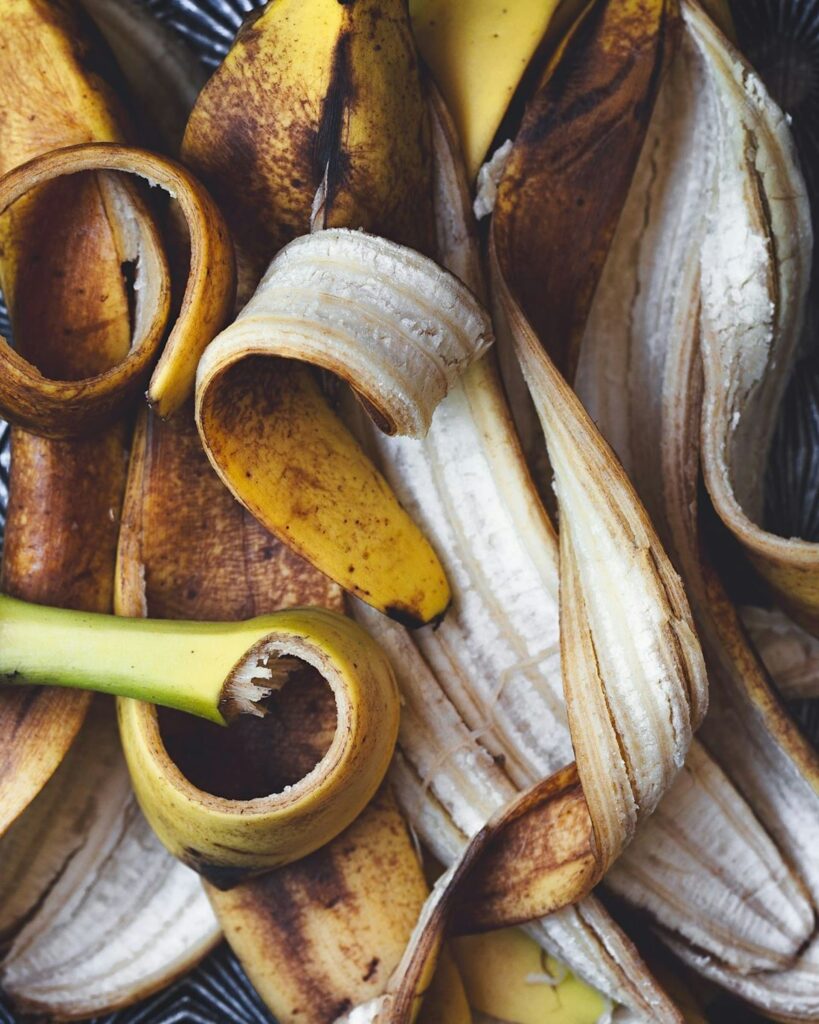
According to the most recent data for 2023, the organic recycling supply chain rests on a network of 363 plants. In 2023, these plants treated 8.7 million tons of organic matrix waste, producing about 2 million tons of compost. From the valorisation of the same streams, 475 million cubic meters of biogas were generated, converted into 470 GWh of electricity and 80 GWh thermal, as well as 201 million cubic meters of biomethane destined for transportation and automotive uses. These numbers certify plant self-sufficiency and contribution to the energy transition, but coexist with warning signs.
The organic fraction collected separately amounts to 5.5 million tons alone, representing a national average of 126.6 kg per inhabitant, with large regional inhomogeneities. After years of growth, however, the amount of sorted wet waste in urban areas has been essentially stable for three years, whilst the green fraction has been declining slightly for nearly a decade. Even more worrisome is the data on quality: average commodity purity falls to 93.6 per cent, with so-called “non-compatible material” amounting to 6.4 per cent of the conferred, and forecasts of further deterioration. In one out of six samples, 90% purity is not reached. The consequence is twofold: plants are working under pressure and it is becoming more difficult to comply with Minimum Environmental Criteria, with rising costs and inefficiencies.
A structural gap
Added to this is a structural gap between how much is collected and how much is actually sent for recycling: about 240,000 tons remain along the way. If Italy wants to contribute to the European target of 65 per cent recycling of municipal waste by 2035, compared to a current level of 50.8 per cent, increasing the quantity and quality of wet waste collection is not an option, but a necessary condition. Targeted economic and regulatory tools are needed: while there is no shortage of incentives on biogas and biomethane, it is the production and valorization of compost that requires more robust and continuous supports, because that is where fertility is generated and the organic matter cycle is closed.
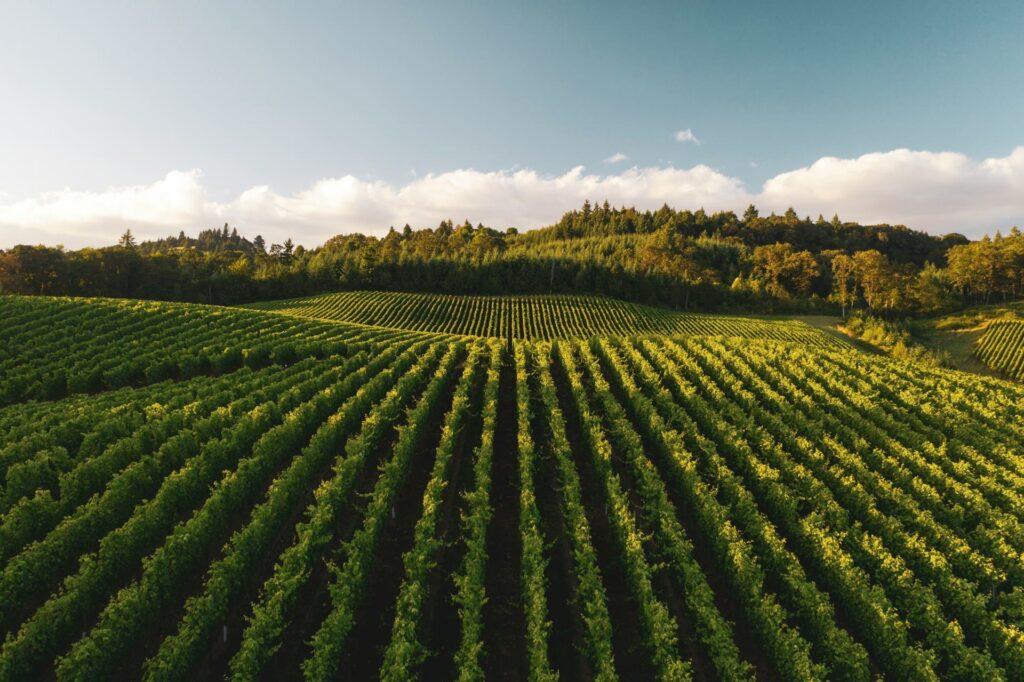
The stakes are also high on the environmental front. More than 60 per cent of European soils are in a degraded condition and nearly half have insufficient levels of organic matter. Compost and digestate, derived from the recycling of wet waste, are materials that can restore organic carbon to soils, improve water and nutrient holding capacity, and increase resilience to extreme weather events.
The Urban Carbon Farming Manifesto
The idea of bringing regeneration even into and on the fringes of cities stems from this evidence. The Urban Carbon Farming applies regenerative agricultural practices to urban and peri-urban spaces, employing compost and digestate to improve public green spaces and sequester carbon in city soils. CIC accompanies this vision with an Urban Carbon Farming Manifesto, calling on businesses and citizens to support a vision and set of concrete practices that aim to make cities more sustainable, livable and resilient in the face of climate change.
The picture of the sector is complemented by research and innovation activities. With the FER-PLAY project, under Horizon Europe, alternative fertiliser supply chains were analysed, identifying – amongst others – compost and digestate as solutions with high technical, environmental and economic potential. The LIFE BIOBEST project defined performance indicators and guidelines for improving organic waste management in Europe, focusing on more efficient and quality-oriented collection and treatment systems. On agricultural land, the Navarra Project-conducted with the University of Bologna and the F.lli Navarra Foundation-demonstrates that the use of compost provides yields comparable to chemical fertilisers, while enriching the soil with organic carbon and phosphorus and improving its fertility over the long term.