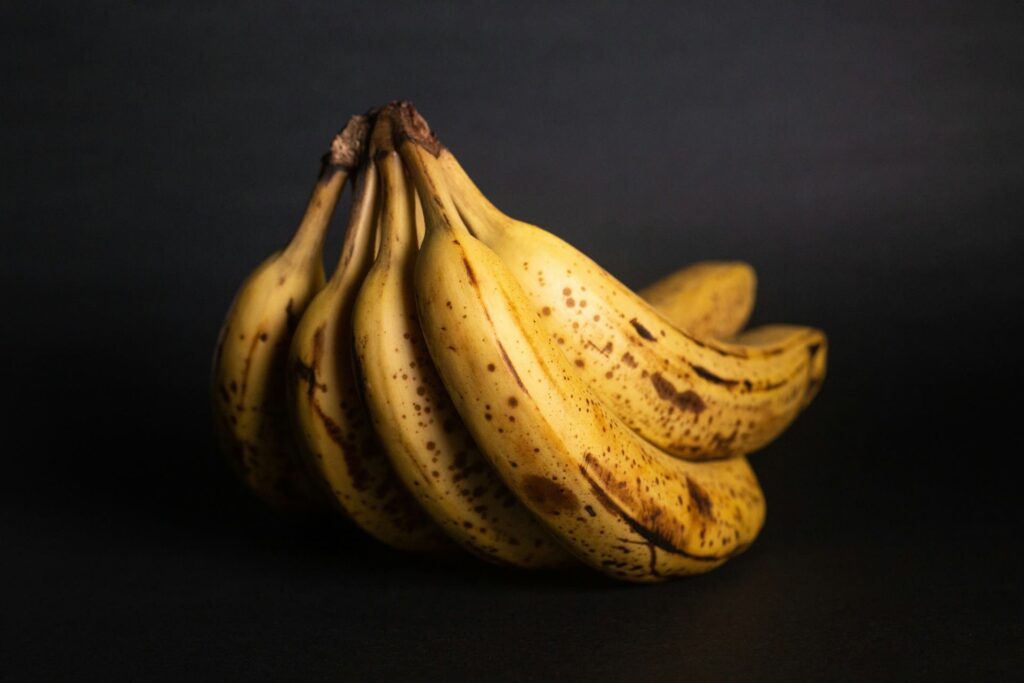
The Mediterranean is changing its skin, and this is no metaphor. The news that Chiquita, the global banana giant, has chosen Sicily for its first European growing experiment is not just an agricultural curiosity: it is the thermometer of a climate change that is reshaping the geography of Mediterranean agriculture. The banana, a tropical plant par excellence, is not just a new zero-mile product: it is a wake-up call, because it grows where temperatures do not drop too low and winters are getting milder.
The “Bollino Blu” multinational has already planted 20,000 organic banana plants between Marsala and Campobello di Mazara, in collaboration with the Alma Bio cooperative. The first fruits are expected this year, when a banana will make its appearance in Italian supermarkets alongside the famous “Bollino Blu” label with the words“Prodotto Italiano” – a combination that until a few years ago would have seemed like science fiction.
For years it had been cultivated by small farms
But beware: Sicily is not entirely alien to bananas. For years, some small farms have been growing a local variety, smaller and squat than the commercial variety, which has adapted to the island’s climate. That local variety has a specific name: “ancient common Sicilian banana“(Musa acuminata). It is a hardy, arid-resistant cultivar, able to tolerate temperature changes and coastal winds better than commercial bananas, though it fears the most intense frosts. It produces in waves almost year-round thanks to basal suckers, and its fruits are shorter and squat, often with triangular or quadrangular cross-sections. It is the outcome of a long adaptation to the island’s microclimate-a different agronomic story that coexists with but does not overlap with the industrial project on “classic bananas.”
Also mango and avocado
The real news is that now even “classic” tropical bananas, the ones we have always been used to buying, can grow in what used to be the realm of citrus fruits. The Chiquita project is part of a larger trend: the Mediterranean is becoming a land of tropical fruits. Mangoes and avocados have already conquered more than 500 hectares between Palermo and Catania, with productions that are gaining space in large-scale distribution. The reason? Increasingly mild winters, longer and hotter summers, rainfall concentrated in short periods-in other words, a climate increasingly similar to that of tropical regions.
For farmers, this“tropicalization” represents new market opportunities, with exotic products grown on a zero-mile basis. But the coin has a flip side: the same conditions that favor bananas and mangoes challenge traditional Mediterranean crops. Durum wheat, citrus fruits, olive trees and native vines face prolonged droughts, increasingly intense heat waves and previously unknown pests.
But for wheat and olive trees it gets tough
“Banana Prodotto Italiano is not just a label, but a statement of intent,” explains Costabile Romano, commercial director of Chiquita Italy. A statement that, unintentionally, tells much more than a corporate strategy: it tells of a Mediterranean that is changing, where the exceptional becomes normality and the traditional boundaries of agriculture shift along with isotherms.
Seeing a Chiquita banana plantation in the shadow of Mount Etna is therefore not just an economic curiosity or an agricultural innovation. It is a tangible sign of how climate change is already altering our land, our crops, our table. And as is obvious, every coin has its downside: if the climate favors tropical fruits, at the same time it puts historical crops such as durum wheat, citrus fruits, olive trees, and native vines in difficulty, which risk suffering prolonged droughts, increasingly violent heat waves, and previously unknown pests. Mediterranean agricultural biodiversity, built up over centuries of history, could be disrupted.