Rome is famous for its monuments; there are so many of them that for some visitors it risks becoming stressful. On many organized trips everything prompts rushing: obligatory stops, quick photos, checklists to check off.“Slow Connections“-a cultural, environmental and slow tourism enhancement project conceived by the Dmo Esco Esquilino Community, funded by the Lazio Region and carried out with the support of the European Via Francigena Association, Grab, Dmo Francigena del Sud and Dmo Etruskey – was created to propose a change of pace that allows people to enjoy their vacation and even life more: slowing down, observing, crossing the city without consuming it and consuming themselves. The starting point is not random: the Esquiline district, one of the most traversed and least told places in the Capital.
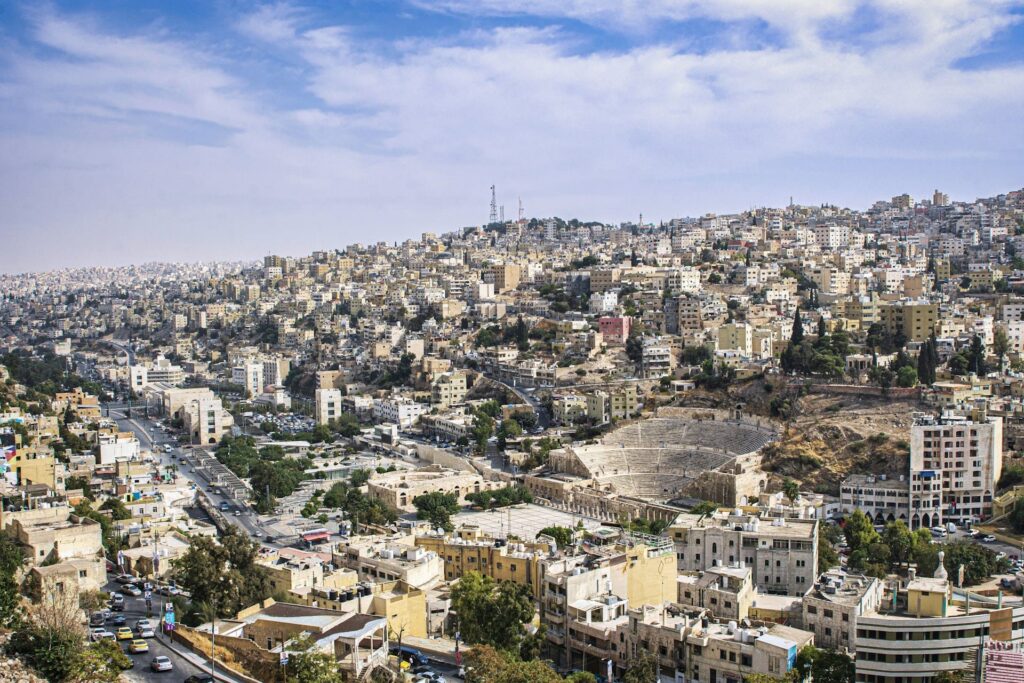
The Esquiline is an urban threshold and an extraordinary gateway to Lazio. Trains, buses, people from all over the world arrive here. It is the neighborhood of arrivals and departures, but it is rarely perceived as a place to explore. Yet it is precisely here that surprising connections to Rome and Lazio open up: green paths, historic walks, bicycle paths, streetcar and rail lines that make it possible to get out of the center without tearing up, following a continuous thread between city, nature and landscape.
Out of stereotypes
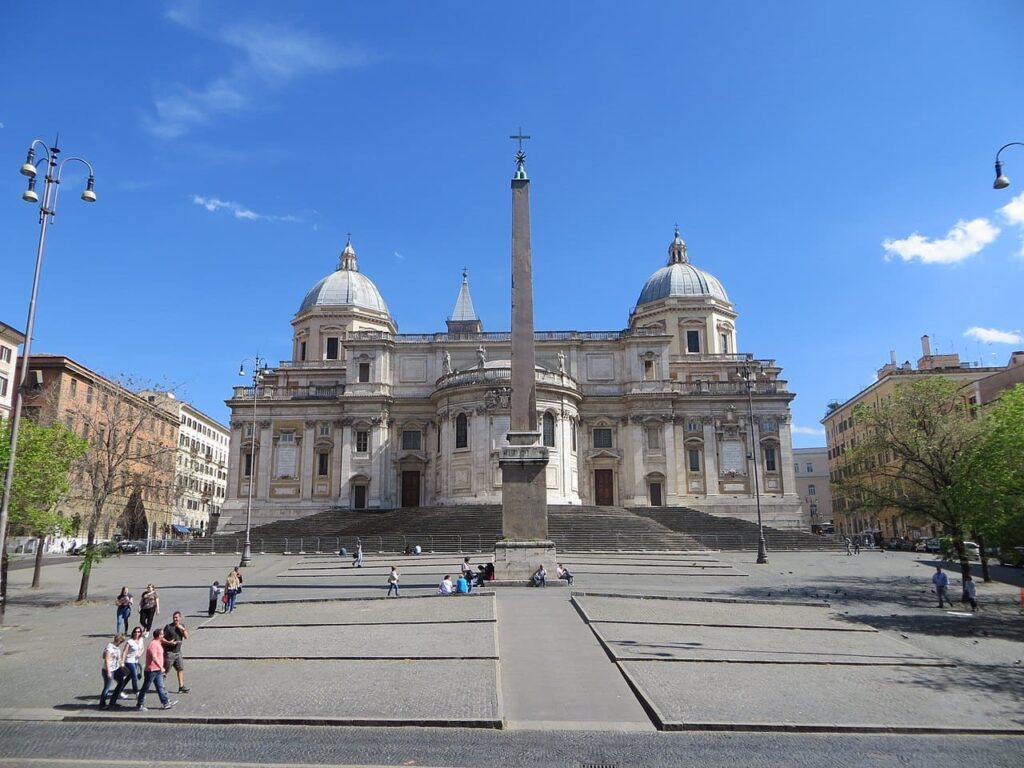
The project builds an alternative narrative of the neighborhood, away from stereotypes. At the center are not only the great monuments, but public parks, shared gardens, less-traveled basilicas, neighborhood markets and spaces tended daily by citizen committees and volunteers. It is a tourism that dialogues with those who live those places every day, restoring value to urban greenery and the dimension of proximity.
Walking is one of the founding gestures of this experience. An urban stretch of the Via Francigena southward takes shape from the Esquiline. We start from the traffic of Termini and, step by step, the landscape changes: monumental basilicas, archaeological parks, centuries-old gates, all the way to the Appia Antica, where the city suddenly seems to lower its voice. The walk thus becomes a way to measure Rome with the body, not the clock.
For those who prefer biking, the connections are expanding even further. The Esquiline grafts into Grab, the Grande Raccordo Anulare delle Bici, a project that is redesigning urban geography by connecting parks, archaeology and neighborhoods. Pedaling along these routes means crossing a different, greener and more accessible Rome, where soft mobility is a real possibility.
An itinerary made of scents
Then there is a route that goes from the everyday and turns it into an experience: the streetcar ride. A line that connects historic markets, stores and popular kitchens, from the Esquilino to Testaccio. It is an itinerary made of scents, accents, gestures repeated every day. A simple and powerful way to tell the story of the city through food and relationships.
Finally, the train, the perfect symbol of unhurried tourism. From Termini we travel down to the northern Latium coast, between the sea, castles overlooking the coast and landscapes that change at each station. A journey that demonstrates how displacement can also be part of the experience, not just a means to get elsewhere.
“Slow Connections” goes beyond a tourism proposal: it is a cultural invitation. Slowing down does not mean doing less, but seeing more. It means valuing time, urban space and the communities that inhabit them. At Esquilino-and from there throughout Lazio-alternative roads already exist. It is enough to decide to take them without running.