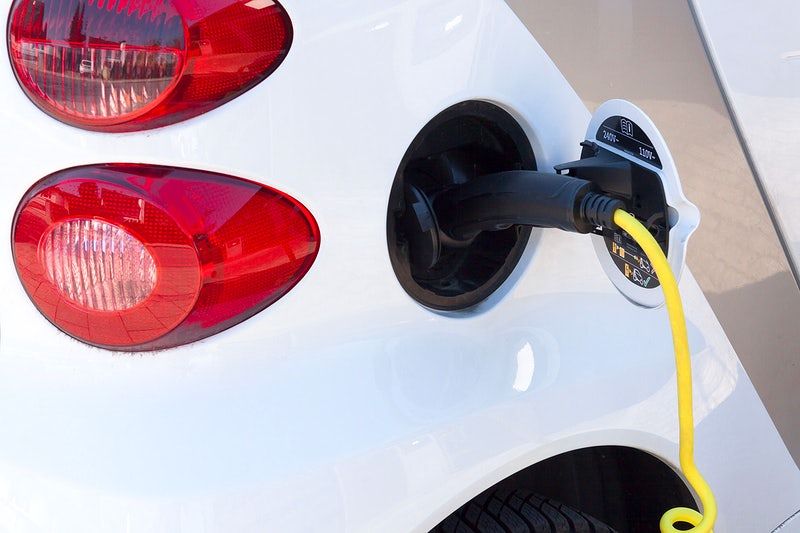
Rome is trying to get serious about electric mobility. The capital launches a new phase of installing“charging islands“: small urban hubs with multiple columns concentrated in the same spot, designed to make charging less complicated.
The plan covers dozens of streets distributed in various municipalities, from downtown to the suburbs. The idea is to forcefully relaunch the service: not an isolated column here and there, but recognizable, visible and easily usable points placed along freeway axes, dense residential areas and areas where potential demand is already high.
The intervention is part of Roma Capitale’s strategy to accompany the growth of electric cars, which are increasing in the city but continue to run into a very real problem: finding where to recharge without losing half a day. The new islands should do just that, offering more outlets in the same space and reducing the risk of arriving and finding everything busy.
From an urban perspective, the choice also aims to rebalance the charging map. Until now, the columns have been mostly concentrated in some central areas or commercial areas, leaving whole parts of the city uncovered. Instead, the new installations seek to cover suburban and semi-central neighborhoods, where the private car often remains indispensable and electric is struggling to take off precisely because of a lack of infrastructure.
Then there is another, decisive aspect: the simplification of rules. The municipality has revised some authorization procedures to make it faster for operators and to encourage the integration of the columns even in existing spaces, such as rest areas or distributors. Less bureaucracy, more construction sites.
The stated goal is to prepare Rome for a transition that is no longer theoretical. Between increasingly stringent LTZs, limits on the most polluting vehicles, and European targets to 2035, e-mobility is a mandatory direction. Without a widespread and reliable charging network, however, it remains an option for the few. Charging islands were created to broaden the audience, making electric a viable option even for those without a private garage or wallbox under their homes.
Timing and continuity remain to be seen. Rome is no stranger to ambitious plans that started well and ended slowly. But if the charging islands are truly and consistently implemented, this time the step change could be important-a concrete step toward making the city less noisy, less polluted, and a little more European.