Twenty new restoration and enhancement projects will take shape throughout Italy thanks to the“I Luoghi del Cuore” program promoted by FAI. This is the outcome of the just-published Call for Projects 2025, which turns citizens’ votes into concrete resources to save and revive important pieces of the national cultural heritage.
Most striking of all is the geography of the interventions: as many as 18 of the 20 funded projects concern inland areas and urban peripheries. Places that are often far from major tourist flows, but deeply rooted in local communities, which thanks to this program finally find the tools to come out of the shadows.
A program that starts from the bottom and reaches the worksites
“Places of the Heart” works like this: thousands of people vote, report, mobilize for the places they are connected to; then come the calls and, with them, the funding to move from intentions to real work. Not just restorations, but also projects for enhancement, safety, accessibility and cultural promotion. In short, not a coat of paint, but interventions designed to give these assets a future.
Over the years, the program has confirmed itself as one of the cultural policies capable of combining civic participation and tangible results. And the 2025 edition proves it once again.
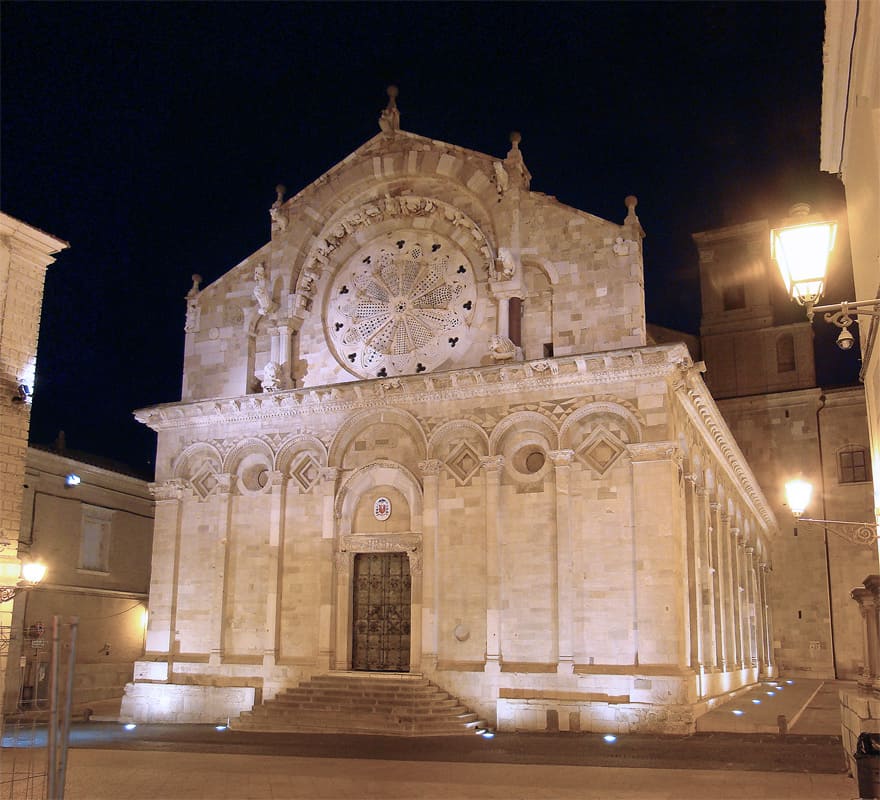
Among the selected sites is the Cathedral of Troy, an authentic masterpiece of Apulian Romanesque architecture and the city’s identity heart. Here the economic contribution will be used to restore the Liberty Door and its bronze reliefs, one of the most precious and delicate elements of the building. An intervention that is not only artistic conservation, but protection of a collective memory that speaks to the whole community.
Inland areas and suburbs at the center of the map
The map of funded projects tells of an Italy different from the one on the postcards: small villages, forgotten historical complexes, cultural spaces in suburban neighborhoods. It is here that the program shows its full strength, becoming a concrete opportunity for territorial regeneration and widespread cultural promotion.
It is not just about saving monuments, but strengthening the connection between people and places, creating new opportunities for local development, sustainable tourism, and civic participation.
The success of “Places of the Heart” lies in the ability to listen to citizens, value their choices and accompany them with resources, expertise and vision. In a country where heritage is vast but often fragile, initiatives like this show that protection can also be a tool for cohesion and revitalization.