The report “Global Water Bankruptcy,” authored by Kaveh Madani for UNU-INWEH, marks the end of an illusion: that the water crisis is an emergency, however severe, that we will soon forget. The truth, however, is that we are no longer in a phase of passing stress: we have entered the post-crisis, bankruptcy era. We wrote too many water checks knowing that nature’s bank account was empty.
The paper, released on the occasion of the 30th anniversary of the UN Water Institute, tells us that many river basins and aquifers have lost the ability to return to their historical “normalcy. “ We have spent more than the Planet could afford, eroding not only the annual rainfall income, but the millennial savings of glaciers.
When the earth stops holding
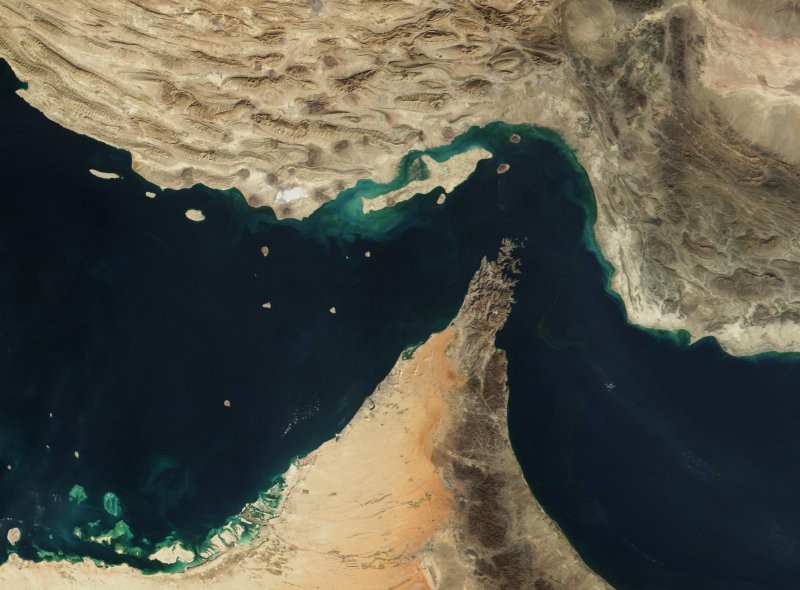
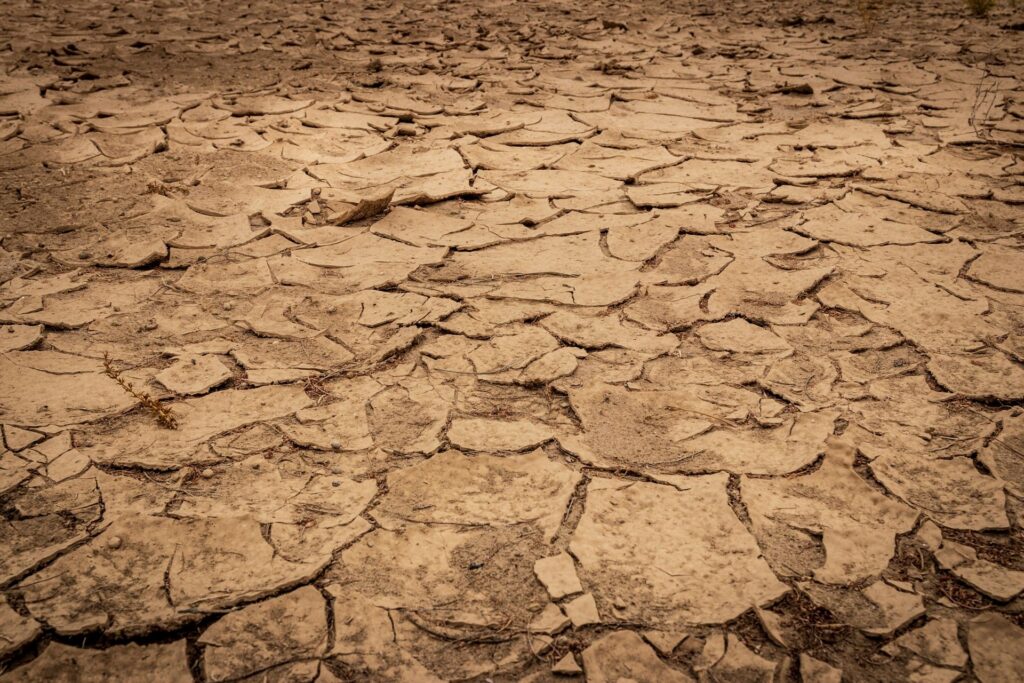
Seventy percent of the world’s major aquifers show signs of irreversible depletion. In regions such as Turkey’s Konya Plain or large areas of Iran, unscrupulous extraction of blue gold has emptied underground cavities to the point that the very structure of the soil is collapsing. In some areas of the Planet, the earth sinks up to 25 centimeters a year. Once these geological “safes” become compacted, they can no longer accommodate water. It is a permanent foreclosure of our future: even if it rains again, we will have nowhere to store the resource.
Over the past fifty years, the report says, we have liquidated 410 million hectares of wetlands-an area equal to the entire European Union-losing ecosystem services worth $5.1 trillion. We have not only lost “mud and reeds,” we have destroyed the filters and sponges that ensured our water security.
Agriculture and the paradox of rights
The agricultural sector is at the center of this crack today. It uses 70 percent of the world’s fresh water, but more than half of global food production occurs in areas where water supplies are declining or unstable. In many basins, the sum of legal rights to extraction exceeds the water actually present. We have allocated pieces of a treasure that no longer exists, fueling a food economy that rests on a foundation of sand and salt.
More than 100 million hectares of cropland are already degraded by salinization: there is so little water left and so dirty that it poisons the roots instead of nourishing them.
Restructuring debt to survive
The UN proposal is brutal in its honesty: we must move from emergency management to “bankruptcy management.” In the financial sphere, declaring bankruptcy allows us to stop losses and reorganize. For water, it means admitting that some ecosystems will never return to the way they were and that impassable legal limits on withdrawals need to be established.
Investing in water should no longer be seen as a cost, but as the ultimate strategic opportunity in a fragmented world. It is the platform on which to rebuild cooperation between nations and sectors. The 2026 UN Water Conference will be the creditor’s table: there it will decide whether to continue in denial or to finally start living within our hydrological means. The time for bad checks is over.