The year 2025 marks a key step for European climate finance. With 100 billion euros in new financing, the European Investment Bank (EIB) has reached its highest level ever, consolidating its role as a public driver of the green transition. It is a snapshot of a strategy that aims to turn the Union’s environmental goals into real, measurable and widespread investments on the ground.
Of this 100 billion, 57 billion went directly to climate and environment projects, accounting for more than half of the entire annual portfolio. This share confirms the EIB’s now structural orientation toward decarbonizing the European economy, reducing emissions and strengthening climate resilience. According to the institution’s estimates, this volume of public financing is capable of activating total investments of about 190 billion euros, thanks to the leverage effect on private and domestic capital.
Climate adaptation
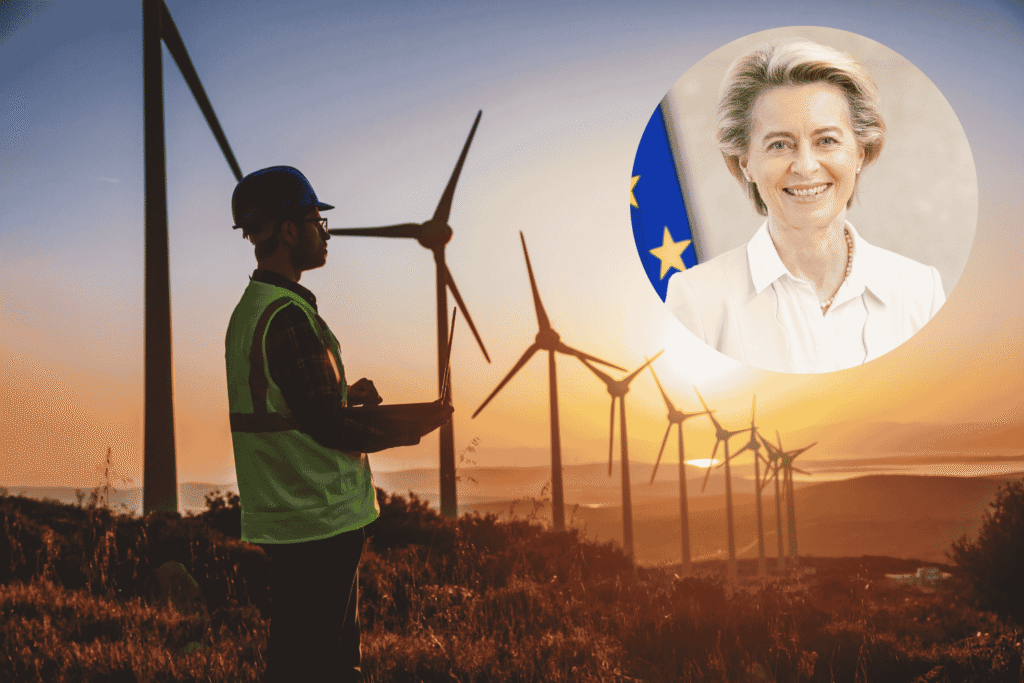
A substantial portion of green resources has flowed into the energy sector. About €11.6 billion was directed to electricity grids, storage and interconnections, a crucial node for integrating increasing amounts of renewables and making the system more stable and secure. In parallel, the EIB has helped finance a significant share of new solar and wind capacity installed in the European Union, including supporting large offshore projects. Without these infrastructures, the transition risks remaining a slogan; with them, it becomes a concrete lever to reduce dependence on gas and contain energy costs.
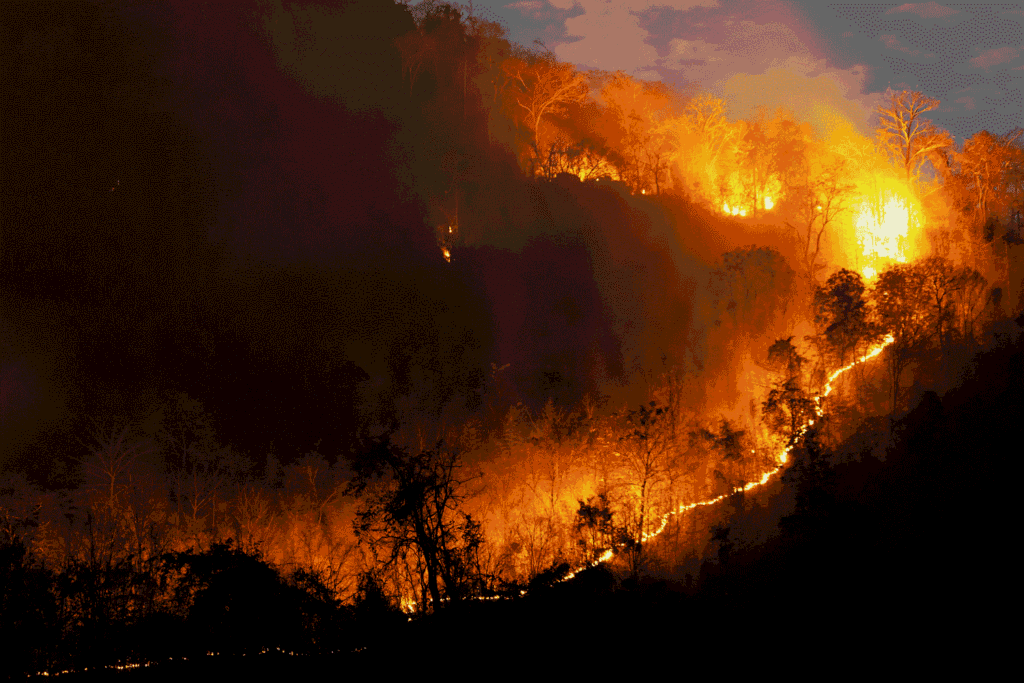
Alongside energy, investments related to climate adaptation are growing. From water management to soil defense and more resilient infrastructure to extreme events, the bank has strengthened a strand that had been on the back burner in recent years. A choice that is far from theoretical, considering the increase in economic damage related to droughts, floods and heat waves across Europe.
Italy among the main beneficiaries
In the overall picture, Italy is among the main beneficiaries. Over the course of 2025, more than 12 billion euros of EIB financing arrived to our country, mainly for energy transition, networks, sustainable mobility and innovative industrial supply chains. Resources that have a significant impact on the national GDP and that, if accompanied by planning capacity and fast timeframes, can strengthen competitiveness and employment, as well as reduce the environmental impact of the production system.
Finally, there is no shortage of a chapter devoted to nature. Some 7.7 billion euros were directed to biodiversity, sustainable agriculture and the bioeconomy, while more than 10 billion supported social infrastructure such as housing, health and education. For the EIB, ecological transition is not only about technology, but also about social cohesion and the protection of territories.
European public finance is thus trying to bridge the gap between climate ambitions and economic reality by deploying unprecedented resources. But the game remains open. The funds are there, the direction too. Now the challenge is to turn billions of euros into effective projects, avoiding delays, fragmentation and inconsistent choices.