Travel is increasingly being born in front of a screen. This is also certified by the Unpack Travel Trends report by Expedia Group, which identifies movies, TV series and digital content as one of the main drivers of contemporary tourism choices.
A scene seen in a series, a film sequence, a music video clip or a reel on a social platform can, therefore, trigger the desire to leave. Film tourism, now called set-jetting, has become a structural component of global tourism demand, capable of directing flows, rewriting maps and revitalizing territories.
The effectiveness of images in constructing expectations and imaginaries has strengthened with the spread of streaming platforms and digital content. Stories set in real places produce a familiarity effect that reduces perceived distance and stimulates identification. Thus, locations that until a few years ago were marginal suddenly find themselves at the center of international attention, while already popular destinations consolidate their positioning through new narratives.
From series to territories
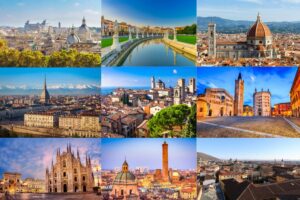
In Italy, the link between audiovisuals and tourism has produced emblematic cases. Southeastern Sicily has been profoundly marked by the television success of Commissario Montalbano, which has made recognizable glimpses, villages and landscapes of the province of Ragusa. Similarly, Roman and Lazio settings of recent films have ignited interest in smaller neighborhoods and towns, contributing to a redistribution of flows. Matera, already the star of major international productions, continues to benefit from a visibility that has transformed the city from a peripheral place to a destination for global cultural tourism.
The phenomenon is not just about urban destinations. The release of a popular film set along the Camino de Santiago has generated a surge in online searches, reactivating interest in a historical route that combines spirituality, landscape and slow experience. In these cases, the audiovisual narrative does not merely show a place, but suggests a way of traversing it, affecting the very modalities of the journey.
Famous faces and new storytellers
Alongside the cinematic narrative, the power of well-known faces acts. Celebrity marketing combines the power of stories with the power of recognition, helping to strengthen a destination’s image. Bari has consolidated its Mediterranean profile through a successful series, while Turin has seen international attention grow thanks to a historical production that has enhanced its architecture and urban landscape. Abroad, Dubrovnik has become a must-see stop for fans of a fantasy saga, and Paris has renewed its symbolic centrality through a series that has updated the French capital’s imagery, as is the case with Emily in Paris.
Added to this is the growing role of content creators, new mediators of the tourism narrative. Through short, direct videos, they construct accessible narratives made up of practical tips, replicable itineraries, and micro-experiences. The result is a democratization of inspiration: distant or unfamiliar places suddenly become familiar, while travel planning becomes intertwined with the daily consumption of digital content.
Cinema, music and new global routes
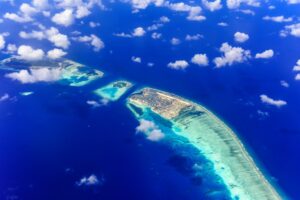
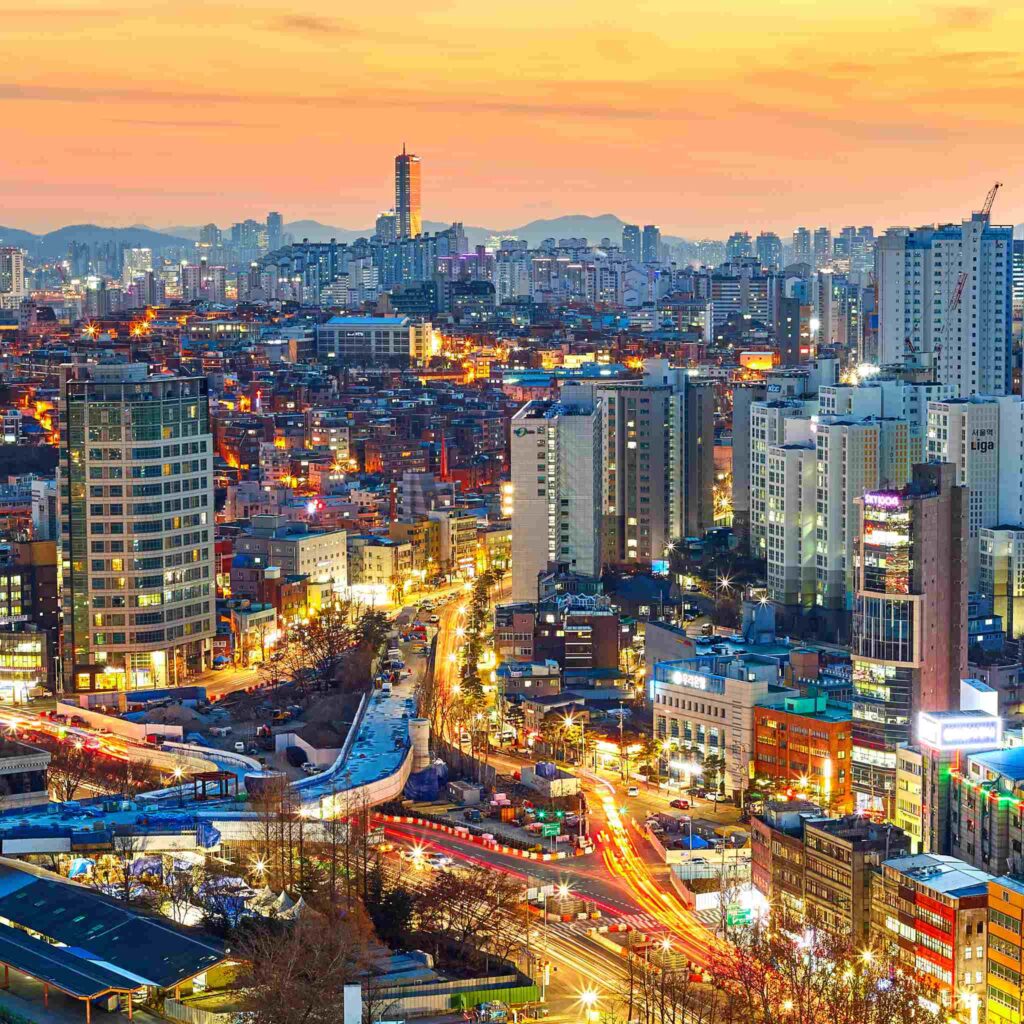
In 2026, some destinations emerge particularly strongly. Thailand, chosen as the setting for the third season of White Lotus, an international series set in luxury resorts, has seen a focus on its islands, with an immediate increase in searches and bookings, especially to Koh Samui. Seoul continues to benefit from the long wave of K-dramas and the global success of South Korean productions, such as Squid Game, which have made the capital’s urban landscape iconic and fueled music tourism related to K-pop and major live events.
Hawaii confirms its role as a privileged natural set, while Paris maintains a narrative centrality that makes it constantly present in the collective imagination. In this context, music tourism increasingly complements film tourism: festivals, concerts, iconic venues of local scenes, and artist-related itineraries become stops on trips built around the experience, rather than simply visiting.
The result is a fluid geography, guided by stories capable of making distant territories immediately recognizable. Traveling by following film and music is not just about looking for scenery that has already been seen, but entering a narrative that promises emotional involvement and participation. A dynamic that opens up significant economic opportunities, but also raises questions about the sustainability of flows, the management of local resources and the protection of the identity of places. In a tourism increasingly influenced by images, the challenge will be to transform attraction into a lasting relationship with territories.