It could be said that the wind is beginning to change for Europe. But that is a bit of a cloying phrase and does not capture the essence. The right one is: in Europe the perception of the wind is beginning to change. And that of the sun. No longer just elements of meteorology but protagonists of the economic scene. It took a little more than half a century, because the first time oil sovereignty was questioned was 1973, with the energy crisis triggered by the oil export blockade decided by Arab countries after the conflict with Israel. But we are finally getting there.
In between was a long season of wavering and dependence on Russian gas. Then the odd Putin – Trump couple worked a miracle. First Putin’s (war) assault on Ukraine, then Trump’s (trade) assault on Europe reinforced the conviction that moving from Russian pipeline blackmail to star shale gas is no big deal.
More shores needed
While talk of a rupture between the two sides of the Atlantic is going too far for now, the fact that trust has cracked deeply is indisputable. With trust disappears economic reliability. And the lack of economic reliability makes it necessary to seek other shores for trade and productive relations.
A test of the maturity of the ongoing change will come in the coming days from the Munich conference (Feb. 13-15), which is centered mainly on foreign policy (Ukraine, Middle East), but could also become a thermometer for Europe’s energy moods.
In recent months, at the height of the energy crisis and geopolitical tensions, there had been increasing political pressure to significantly strengthen European purchases of energy from the United States, particularly liquefied natural gas. But the White House’s unhinged pressing-including threats of use of force on the European territory of Greenland-has given pause. And the prices of energy developed at home from sun, wind and water have risen.
Thus on January 26, during the North Sea Summit in Hamburg, the United Kingdom and several European countries (Germany, France, Denmark, Norway, Belgium, the Netherlands, Ireland, Luxembourg, and Iceland) signed the Hamburg Declaration, an agreement to strengthen energy cooperation and accelerate the development of renewables in the North Sea. The goal is to build a more secure, integrated energy system that is less dependent on fossil fuels.
The North Sea energy mine
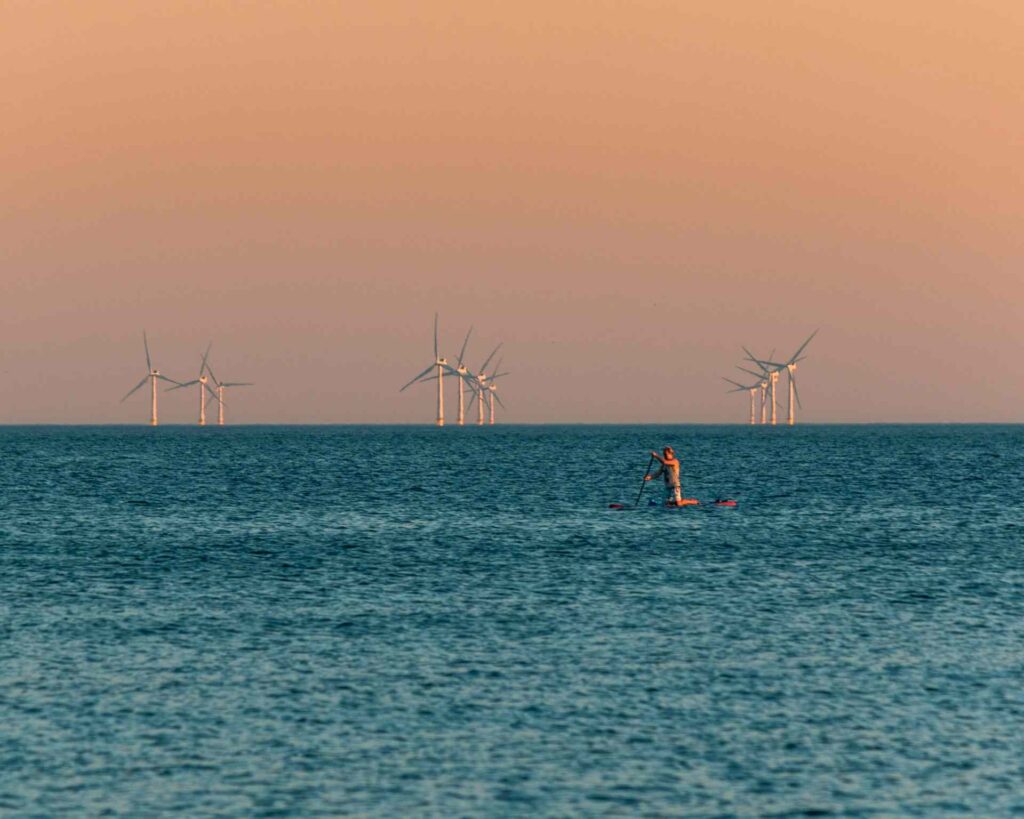
The focus of the agreement is on coordinated offshore wind development, with a commitment to realize tens of gigawatts of new joint projects through industrial collaborations between European and British companies. The initiative aims to exploit the great energy potential of the North Sea, considered one of the world’s most favorable basins for marine wind energy production.
A central aspect of the understanding is the construction of cross-border electricity infrastructure, such as new interconnections and hybrid offshore grids, capable of connecting multiple countries to the same wind farm. These types of systems will make it possible to distribute renewable energy where demand is highest, reduce waste, and improve the stability of Europe’s power grids, while helping to contain the overall costs of the energy system.
The cooperation between the North Sea countries is part of a broader strategy that aims to transform the area into one of the world’s leading clean energy hubs, with the goal already set in recent years of reaching 300 gigawatts of offshore wind capacity by 2050. In addition to enhancing energy security, the agreement also aims to stimulate new industrial investment, create jobs and consolidate a competitive European supply chain in sea energy-related technologies, which are increasingly central to the continent’s energy transition.
What can this scenario lead to? An analysis published Feb. 10 by the think tank Strategic Perspectives points out that by accelerating the electrification of consumption and the development of renewable energy, the EU may come to rely predominantly on regional partners considered more reliable, such as Norway and the United Kingdom, for the few remaining gas imports needed by 2040.
Expansion of renewables is the key element
According to the study, structural reduction in gas demand is the key element in this transformation. In fact, the expansion of electric renewables, the spread of heat pumps in buildings, the electrification of transport and the adoption of electric technologies in industrial processes could progressively compress consumption, transforming gas from a central component of the European energy system to a residual source destined to cover only limited needs and flexibility.
In this scenario, energy security would no longer be ensured by heavy reliance on the global LNG market and geopolitically unstable suppliers, but by a more regional and predictable system based on infrastructure interconnections, cooperation among European countries, and long-term agreements with nearby and politically reliable suppliers.
The report also points out that continuing to invest heavily in new gas infrastructure carries the risk of creating assets that could quickly become obsolete, with high costs for citizens and businesses. In contrast, directing investment toward electricity grids, storage systems, electrification technologies and renewable integration would reduce the overall costs of the transition while strengthening European energy autonomy.
The credible exit from gas
Overall, the analysis proposes a “credible gas exit” strategy based on a combination of electrification, regional cooperation and targeted energy partnerships that can reconcile security of supply and climate goals in the medium and long term.
The situation is evolving and the weight of the fossil lobbies still very strong. However, the recent appeal to the French government by 13 major French energy sector federations, supported by 100 business leaders, calling for an end to fossil fuel dependence in order to protect national sovereignty is further evidence of the magnitude of the change taking place. Renewables can become a central tool in the economic policies of a Europe that aims to play catch-up, relying primarily on domestic resources.