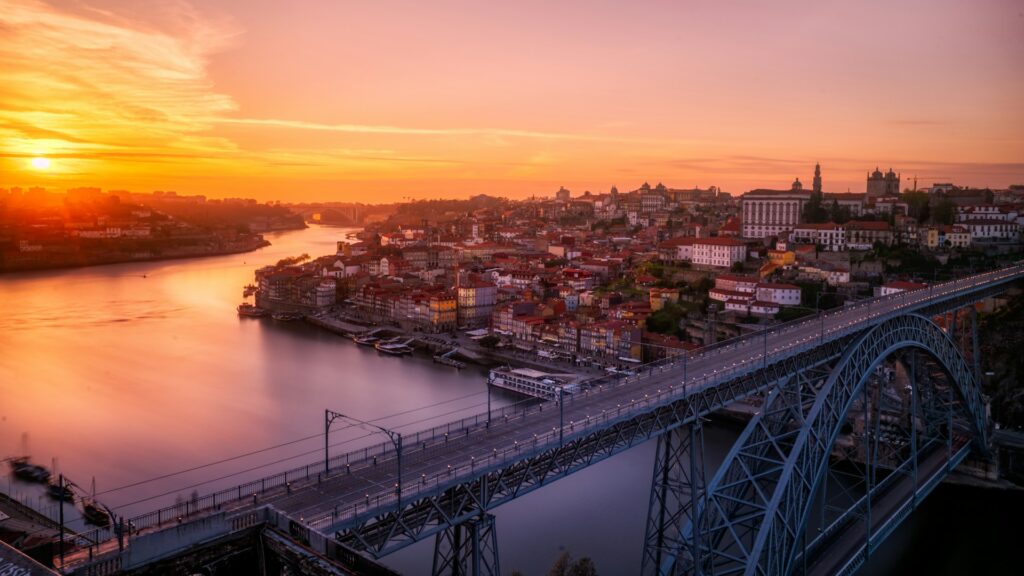
Portugal’s electricity system has surpassed a threshold that until a few years ago seemed distant: more than 80 percent of the energy consumed in the country was generated last January from renewable sources. The figure, certified by the industry association APREN, captures a month in which hydroelectric and wind power accounted for almost all national demand, leaving solar to play a still marginal but growing role. It is the best result in the past nine months and puts Lisbon at the top of the European rankings, behind only Norway.
Numbers that change the mix
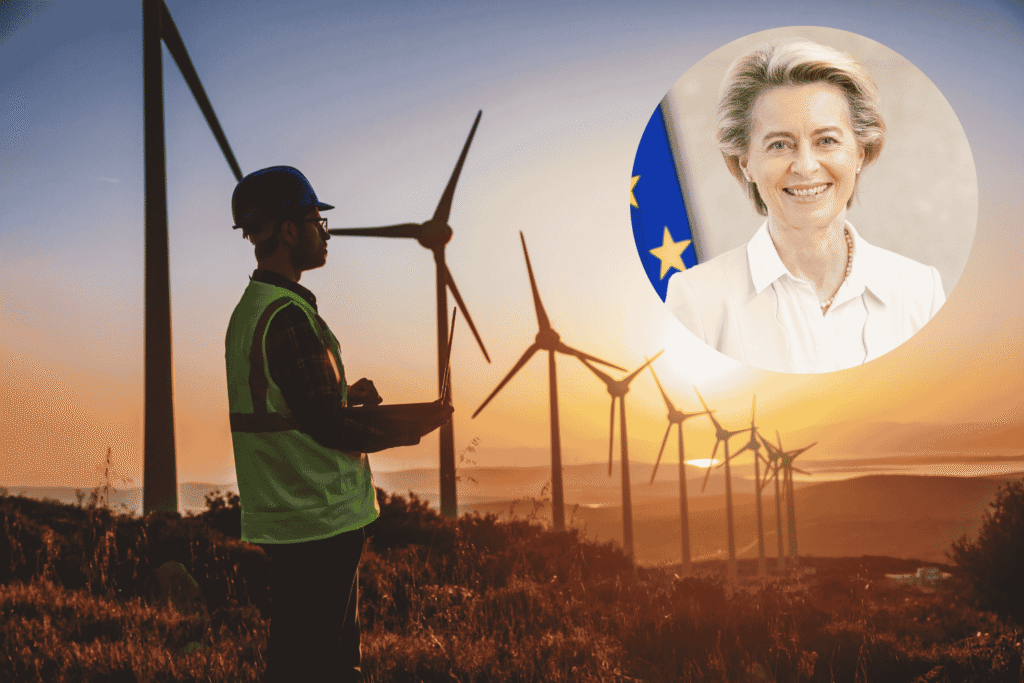
The largest contribution came from water, with hydropower plants responsible for more than a third of the mix, followed very closely by wind power. In 210 non-consecutive hours, green generation was sufficient to meet the country’s entire consumption. An achievement that also had an immediate economic effect: the use of renewables has avoided gas-fired generation, saving an estimated 703 million euros. In an environment of still unstable energy prices, the savings translate into a tangible benefit for households and businesses.
The shadow of the blackout
The record takes on special significance when read in light of the major blackout that struck the Iberian Peninsula last April, leaving tens of millions of people in the dark. The outage, triggered by a sequence of surges and grid disturbances, called into question the resilience of the electrical infrastructure in a system increasingly powered by distributed and intermittent sources. Official investigations have ruled out a direct link to excess renewables, but the episode highlighted the fragility of grids designed for a different energy world.
For many analysts, green acceleration requires a quantum leap in system management. Increasing generation capacity is not enough: massive investment is needed in networks, storage, and control technologies to ensure stability, flexibility, and security. The European Commission estimates more than €580 billion in resources needed by 2030 to retrofit infrastructure.
A lesson for Europe
The Portuguese case shows that the energy transition is technically possible and already cost-effective, but it also highlights the bottleneck represented by distribution. Wind and solar parks are often located far from major demand centres, and without new lines and smart grid systems an increasing share of energy risks remaining unused.
The Lisbon experience suggests a clear direction: focus on a diversified renewable mix, strengthen the grid, and coordinate generation and demand. This is a must if Europe wants to reduce emissions without sacrificing reliability and competitiveness. The 80 percent target is a test case that measures the continent’s ability to transform climate ambition into a robust energy system.
Within this framework, Portugal becomes a carefully observed laboratory: the combination of large hydropower plants, widespread wind farms, and steady growth in solar PV offers useful pointers for other Mediterranean countries grappling with similar geographic and infrastructural constraints. The challenge in the coming years will be to keep the renewable share high without compromising service continuity by integrating storage, digital flow management, and better coordinated spatial planning. Only in this way can today’s achievements be translated into a stable model capable of combining energy security, environmental sustainability and lasting economic benefits.