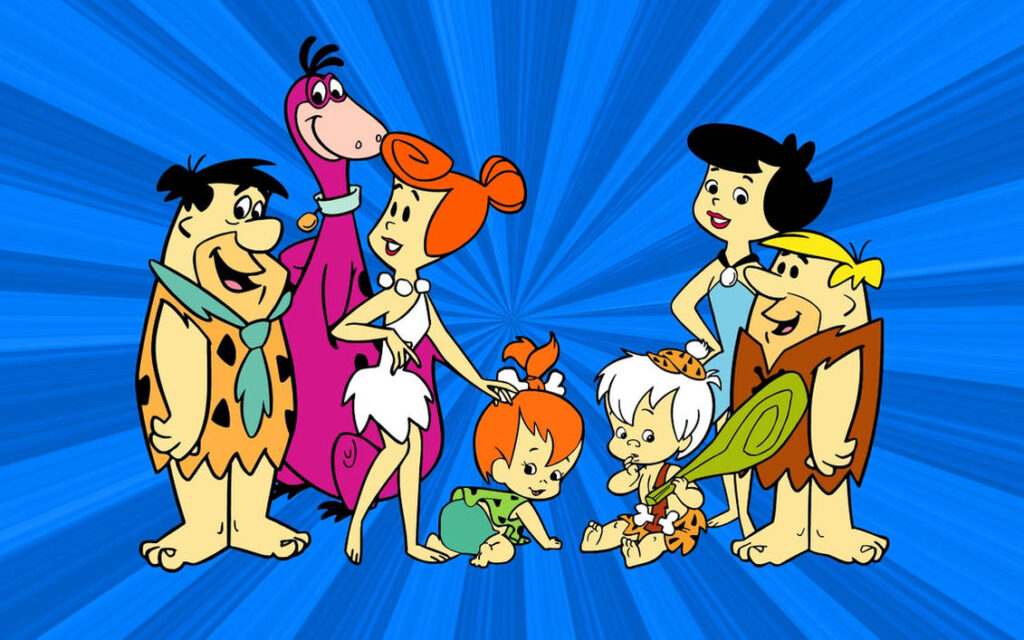
Fred Flintstone and Barney Rubble smoked Winston. Between 1960 and 1963, in the first three seasons of The Flintstones, the two Stone Age protagonists appeared in commercials embedded in the episodes. Fred would light a cigarette after dinner, Barney would offer a pack to friends. The tagline was “Winston tastes good like a cigarette should.” Cartoons in prime time, families in front of the TV, cigarettes normalized as part of the domestic landscape.
Winston didn’t invent anything. In the 1950s and 1960s, the tobacco industry understood one thing: If you want to sell a harmful product, don’t convince adults that it’s good for them. Make it seem normal. The mechanism exploits triangular trust: child → beloved character → product. If Fred Flintstone smokes Winston, and I love Fred, then Winston cannot be harmful. No need to convince that he is good for me. Just make it familiar, domestic, part of the emotional landscape of childhood. When you grow up and someone tells you that cigarettes kill, part of you will resist: Fred smoked Winston and was happy.
Nixon’s intervention
The mechanism worked. Until 1970, when President Nixon signed the Public Health Cigarette Smoking Act that banned cigarette advertising on TV and radio. The law went into effect on January 1, 1971. The last commercial aired on December 31, 1970 at 11:59 p.m. during the Johnny Carson Show. But the lesson remained: associate the product with familiar, domestic, reassuring contexts. Don’t talk about risk, talk about normalcy.
Today, fossil gas uses the same playbook. Advertising campaigns show happy families, bright kitchens, children playing. The term chosen is “natural gas”-as if it were harvested from the fields instead of mined, transported, and burned producing CO₂. As we saw in the 2020 Yale study, “natural gas” evokes cooking and clean energy. “Methane” evokes cows and pollution. Same fuel, opposite perceptions.
Same strategy
The strategy is identical: normalize. Make the product part of the landscape, the routine, the familiar imagery. No need to deny the harms, just make them disappear from the frame. In 1962 no Winston commercial mentioned lung cancer. In 2026 no gas commercial mentions global warming.
Fred Flintstone stopped smoking Winston when Pebbles was born in 1963. The commercials were replaced by Welch’s grape juice ads. The tobacco industry continued for decades, changing strategies but keeping the same goal: to sell cigarettes without talking about what they caused.
In 2013, Gazprom launched Football for Friendship. Fifteen thousand children from 211 countries in eight years. Two Guinness World Records for the program. UEFA in 2021: “Helping young people develop valuable life skills.” Gazprom is the world’s largest gas producer. In 2019 it was ranked the world’s third-largest carbon emitter. For a decade it sponsored the Champions League, Europe’s most popular sport, with television visibility to hundreds of millions of households. UEFA ended the partnership in February 2022, after the invasion of Ukraine. Not because of the issues. For the war.