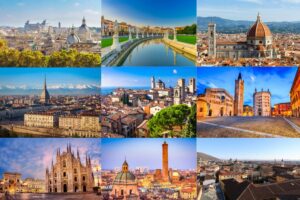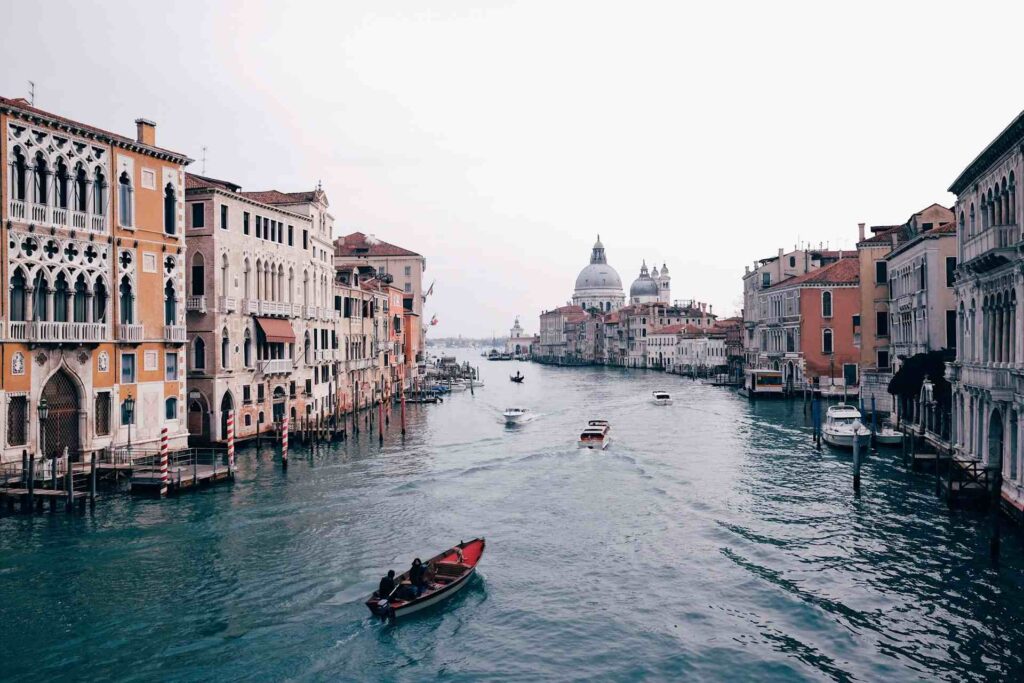
Italy consolidated its tourism lead in Europe in 2025, surpassing the previous year’s already exceptional levels. According to the new report by the Visit Italy Tourism Observatory presences reached 479.3 million, an increase of 2.3 percent, while estimated arrivals rose to 146.3 million (+4.7 percent). Numbers that tell of an increasingly attractive country, but also open questions about the sustainability of such rapid and concentrated growth.
The growing weight of international flows
Driving the expansion are mainly foreign travelers, who now account for more than half of total flows (over 55 percent). In the third quarter of 2025, arrivals from abroad grew by 1.6 percent and presences by 3.9 percent, while domestic tourism fell back. The trend strengthens the role of large cities and well-known hubs, accentuating seasonal and territorial concentration.
The main markets remain the United Kingdom, the United States and Germany, with signs of recovery expected from Asia in 2026. Spending capacity also increases: the average stay of foreigners rises to 3.6 nights and per capita spending reaches 930 euros, generating more than 60 billion euros in total revenues. A development that suggests a partial move away from hit-and-run tourism, but intensifies pressure on the most sought-after destinations.
Saturation and new travel habits
The other side of the record is the high level of tourism saturation. In summer 2025, Italy touched 40 percent average occupancy, surpassing Spain, France and Greece. A figure that signals the approach to a critical threshold, especially in the central months and in coastal and urban locations.
At the same time, planning patterns are changing: 65 percent of travelers book online, a percentage that rises to 79 percent among younger travelers. Artificial intelligence enters the decision-making process of one in three tourists, directing choices and itineraries. The booking window is getting longer and travel is becoming increasingly digital, with important repercussions on the organization of supply and flow management.
The prospects of 2026 and unresolved issues
Forecasts for 2026 remain positive. Seven out of ten businesses expect an increase in arrivals, with the Winter Olympics playing a central role for Milan and the province of Sondrio. Sardinia and the Riviera Romagnola also estimate sustained growth. However, structural criticalities remain evident.
Fifty-eight percent of companies report increased operating costs and 32 percent struggle to find staff, often due to skills shortages or the high seasonality of work. Responses range from more hourly flexibility and wage increases to investments in training, digitization, and energy efficiency.
The picture that emerges is one of a sector that generates value and employment but, at the same time, is exposed to growing tensions. The challenge in the coming years will be to reconcile competitiveness and quality of experience with the protection of territories and the communities that inhabit them. A balance on which will depend the resilience of a model that, although it may appear successful, is not unlimited.