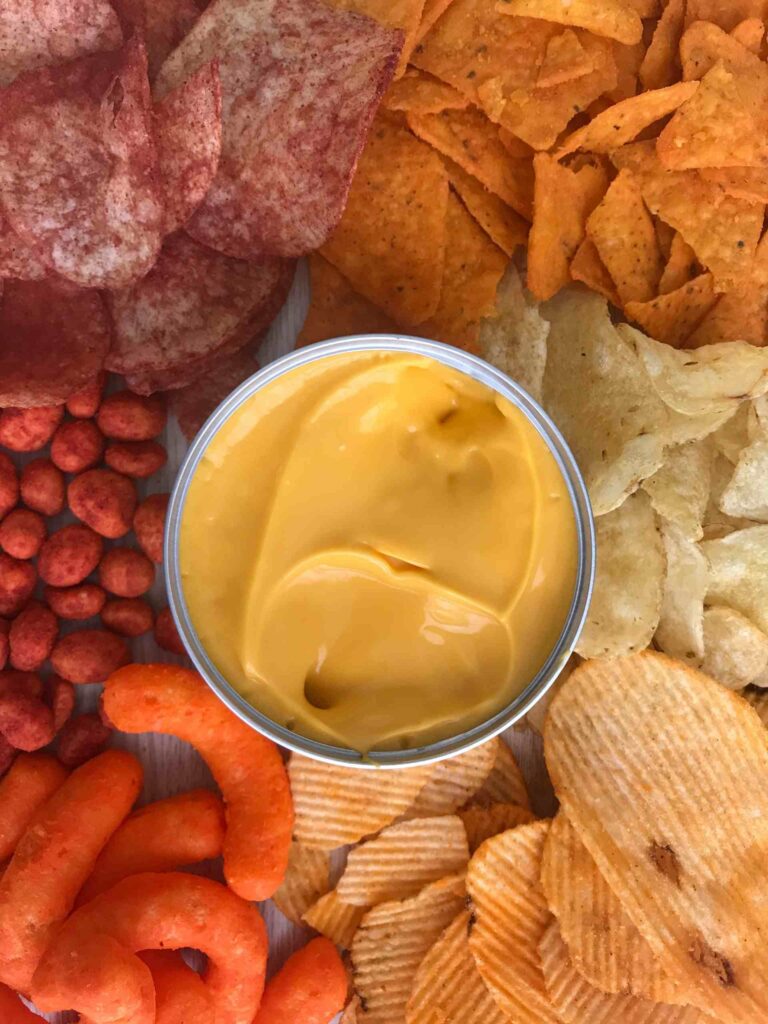
For years we considered them simply a shortcut: quick, convenient, often cheap. But ultra-processed foods-packaged snacks, sugary drinks, ready meals, processed meats, industrial sweets-are ending up in an increasingly less forgiving light. A recent study published in The American Journal of Medicine tried to quantify the link between their consumption and cardiovascular health. The result is hard to ignore: those who eat a diet richer in these products show a significantly higher risk of heart attack and stroke than those who consume less of them.
The work is based on data from a large U.S. nutrition survey that monitors dietary habits and health conditions of the adult population. Cross-referencing food diaries and clinical indicators, the researchers observed that in the group with the highest intake of ultra-processed foods, the risk of cardiovascular events was up to 47 percent higher. Not a definitive cause-and-effect finding, but a statistically robust association that fits into a growing strand of studies.
Features to avoid
But what makes a food “ultra-processed”? It is not enough that it is processed. The difference lies in the degree of industrial processing and the ingredient list: extracted, recombined or synthetic substances, additives, flavor enhancers, added sugars and fats. Products designed to be hyper-palatable, shelf-stable and ready-to-use, often at the expense of nutritional quality. Fiber, vitamins and micronutrients tend to decline, while salt, simple sugars and less healthy fats increase.
The heart, inevitably, is affected. High-sodium diets promote hypertension; excess sugar contributes to obesity and insulin resistance; certain fats negatively affect the lipid profile. Added to this is a more subtle aspect: the “matrix” of food. Several studies suggest that it is not only the amount of nutrients that matters, but also how they are incorporated into the food. Pushed processing can alter digestion, metabolic response and even the gut microbiota, possibly affecting systemic inflammation.
Much of the available evidence is observational. This means correlations are identified, not definite causation. However, the picture that emerges from the meta-analyses is surprisingly consistent: as the proportion of ultraprocessed foods in the diet increases, the risk of cardiovascular disease, diabetes and overall mortality increases. Differences between studies exist, but the direction of the signal rarely changes.
A question of numbers
This is not about demonizing a frozen cookie or pizza, nor is it about chasing an impossible dietary purity. The point is the frequency and overall weight in the diet. When the ultraprocessed become the daily staple-breakfast, lunch, dinner and snacks-the likelihood of negative effects increases.
The most sensible strategy remains the one suggested by cardiologists and nutritionists: bring minimally processed foods back to the center. Fruits, vegetables, legumes, whole grains, fish, eggs, fresh meats, extra virgin olive oil. Foods that do not need slogans because they carry with them a naturally favorable nutritional density. It is not nostalgia for grandma’s cooking, it is physiology.
In a fast-paced world, convenience is an understandable temptation. But science reminds us that even the heart, sooner or later, presents the bill. Gradually reducing dependence on the ultraprocessed is a form of preventive maintenance. And, data in hand, one of the most reasonable.