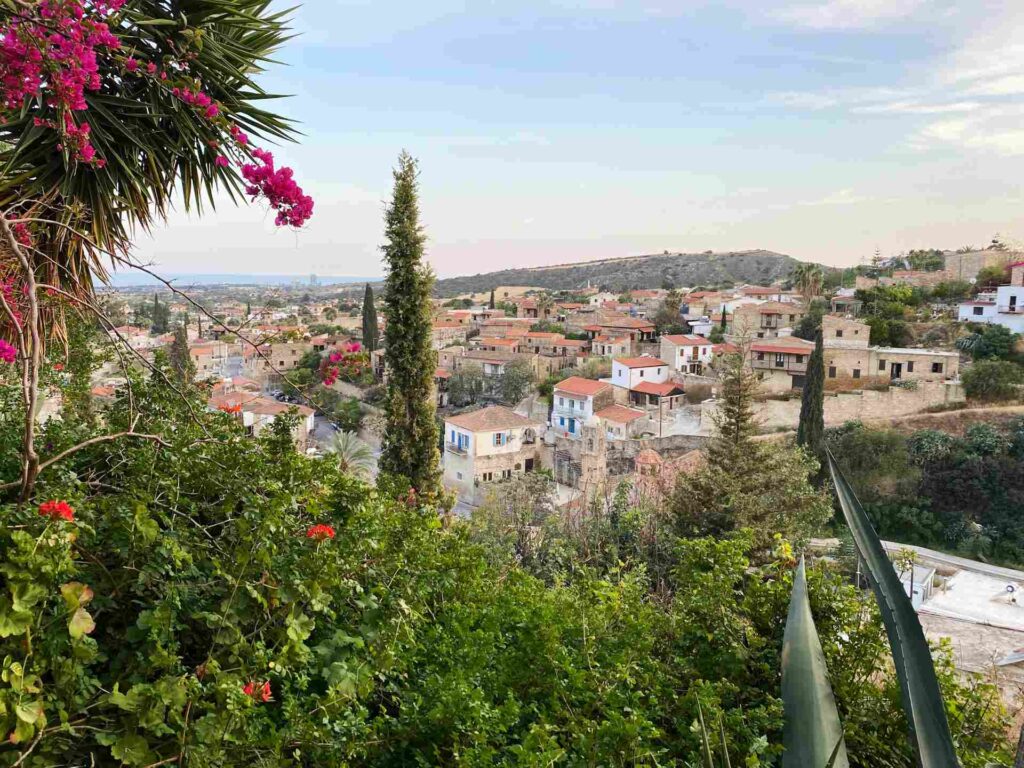
While Italy is experiencing one of the wettest starts to the year in decades, water is running out in Cyprus and the word saving is no longer just an option. The Mediterranean island’s government has issued an appeal to the population: reduce water consumption by at least 10 percent to try to make ends meet with rapidly depleting water resources. We are facing one of the most severe water crises recorded in the last half century, with calls for citizens to cut back on daily waste, even in the most mundane acts such as showering or filling tanks.
Behind this appeal is a worrying reality: the island’s reservoirs are almost empty, and reserves have fallen to levels that threaten not only urban supply, but also agriculture and livestock farming. In some areas, reservoir capacity has plummeted to minimal percentages, forcing authorities to introduce mandatory conservation measures and think quickly about structural solutions.
One of these is the expansion of desalination plants that turn seawater into drinking water. The government has announced a tens of millions of euros investment plan with the goal of having several new units operational by the end of the year. It is an expensive strategy and not without its critics, but for Cyprus it seems to have turned into one of the few viable options to buffer the emergency.
The daily crisis of those living on the island
The call to reduce consumption is not rhetorical: it means counting gallons to fill a shower, water a vegetable garden or wash the car. Farmers, in particular, are among the most concerned: with limited irrigation, many crops risk significant losses, increasing uncertainty and fragility over income and food. Some small farmers are already talking about difficulties with animals without sufficient water to water their livestock.
At the same time, Cyprus remains a heavily touristed country, where the influx of visitors in peak season puts additional pressure on water supplies. It’s a hard paradox to swallow: the more people who come, the more water is needed, but the less water there is to distribute.
The global picture: not just Cyprus
The situation in Cyprus is not an isolated case. Particularly arid and vulnerable areas of the Planet are experiencing intense drought conditions, with severe impacts on communities and environments. In southern Africa, for example, provinces in the Western Cape in South Africa are reporting some of the worst droughts in years, with dams running dry and farms forced to incur heavy expenses to keep livestock alive. Areas of East Africa have also experienced prolonged periods of severe drought, with food crises exacerbated by water shortages.
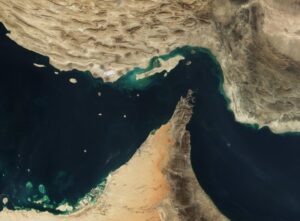
On the Asian continent, countries such as Iran face well-below-average rainfall levels, with many water supplies-such as large lakes and reservoirs-drastically reduced, while vast areas of land are seeing increasing desertification. In North America, water management of the Colorado River, vital to millions of people and vast agricultural areas, has become a politically urgent issue precisely because of low flow levels due to persistent droughts.
And in Europe, although there are areas where the situation is generally more stable, regions of the Iberian Peninsula, parts of southern Italy, and areas of the Mediterranean still show water-stressed conditions, with dry soils and distressed water tables.
A future of planned scarcity?
What emerges from this mosaic is a reality that goes beyond the chronicle of Cyprus: the water problem is increasingly global, rooted in weather patterns that make droughts more frequent and intense in various parts of the world. In many of these realities, water scarcity is not a passing emergency, but a new equilibrium that communities, governments and businesses must learn to live with.
In Cyprus, reducing consumption by 10 percent is only the beginning. The real challenge will be to rethink the entire relationship with water-from infrastructure to everyday usage culture-before water becomes scarce altogether.