A paradigm-shifting judicial decision in one of Italy’s most complex environmental and health disputes. The Court of Taranto has ordered the closure of the hot area of the former Ilva, ordering the shutdown of coke ovens, blast furnaces and the most polluting plants. A measure that comes in the name of protecting public health, after years of civil, scientific and political battles over a site that for decades has been synonymous with industrial impact and respiratory disease in the Apulian city.
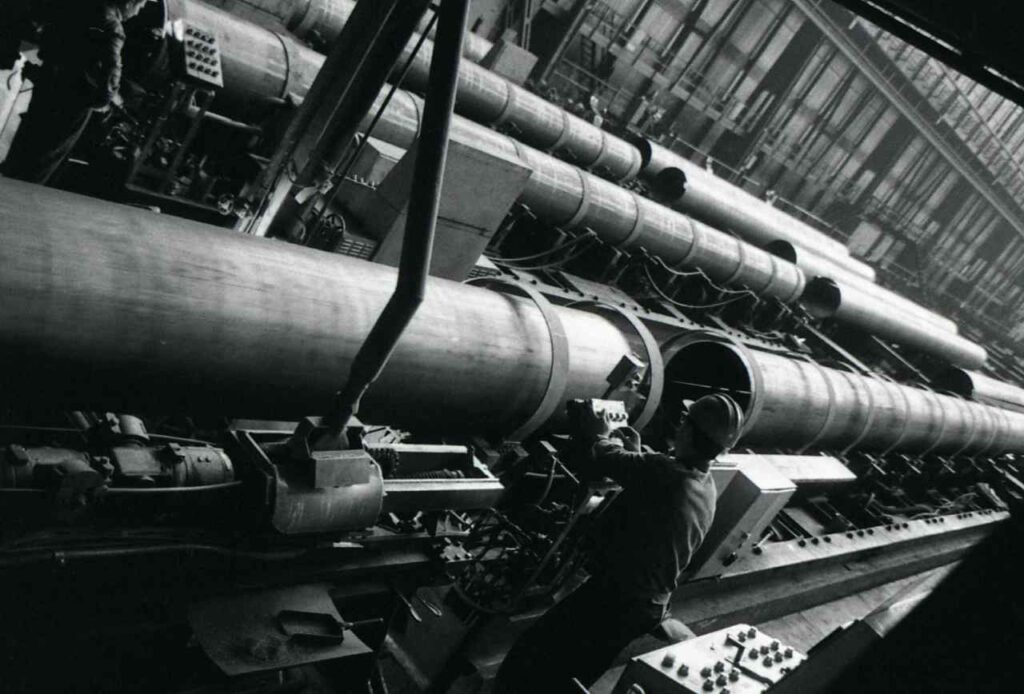
To understand the scope of this pronouncement, one must consider what “hot area” means: it is the steelmaking heart of a plant like Ilva, where iron ore and coal are transformed into pig iron and steel through highly emissive processes. These processes produce a complex mix of particulate matter, sulfur and nitrogen oxides, polycyclic aromatic hydrocarbons, heavy metals and dioxins, all of which epidemiological studies associated with increased risk of cancer, cardiovascular disease and pediatric issues.
The health impact
The court measure comes amid growing pressure from the scientific and health communities on an issue that has scarred entire generations in Taranto. Numerous epidemiological studies had shown excess mortality from respiratory and neoplastic diseases in populations living near the industrial area compared to national averages. At the same time, the deposition of pollutants in the air and soil had also raised concerns about the health of the most exposed workers and citizens.
The judge’s decision, therefore, should be read as a strong response to these alarms: when the balance between economic production and public health is broken, the balance must shift to the side of the people. Shutting down the hot area means stopping those production steps that link direct emissions to documented health effects, while knowing that the transition requires time and alternatives.
It is not a surrender of industry, but a watershed. Over the years, Ilva’s model has been the focus of litigation, cleanup plans, receiverships and multilateral agreements between the state, local authorities, companies and unions. Any attempt to reconcile competitiveness and environmental compatibility has so far run up against the harsh reality of emissions that are difficult to reduce without profound technological reconversions. This measure therefore marks a caesura from the idea that it is possible to continue with the same plants and production rates as in the past.
The support of environmental associations
The political and social reaction was immediate and diverse. Environmental associations welcomed the decision, calling it a historic victory for environmental justice. For many Taranto citizens, long involved in committees and initiatives, it is confirmation that health cannot be a secondary goal. On the contrary, for some industrial and union representatives, the closure of the hot zone opens up worrying scenarios of employment uncertainty that require structural responses from the state.
The heart of the matter therefore remains twofold: on the one hand there is the need to rethink the Italian steel industry in a more sustainable way, with less impactful technologies and investment in the circular economy; on the other hand there is the urgent need for development programs that do not leave workers and their families behind. This double transition – environmental and social – is the real challenge that emerges from the ruling.