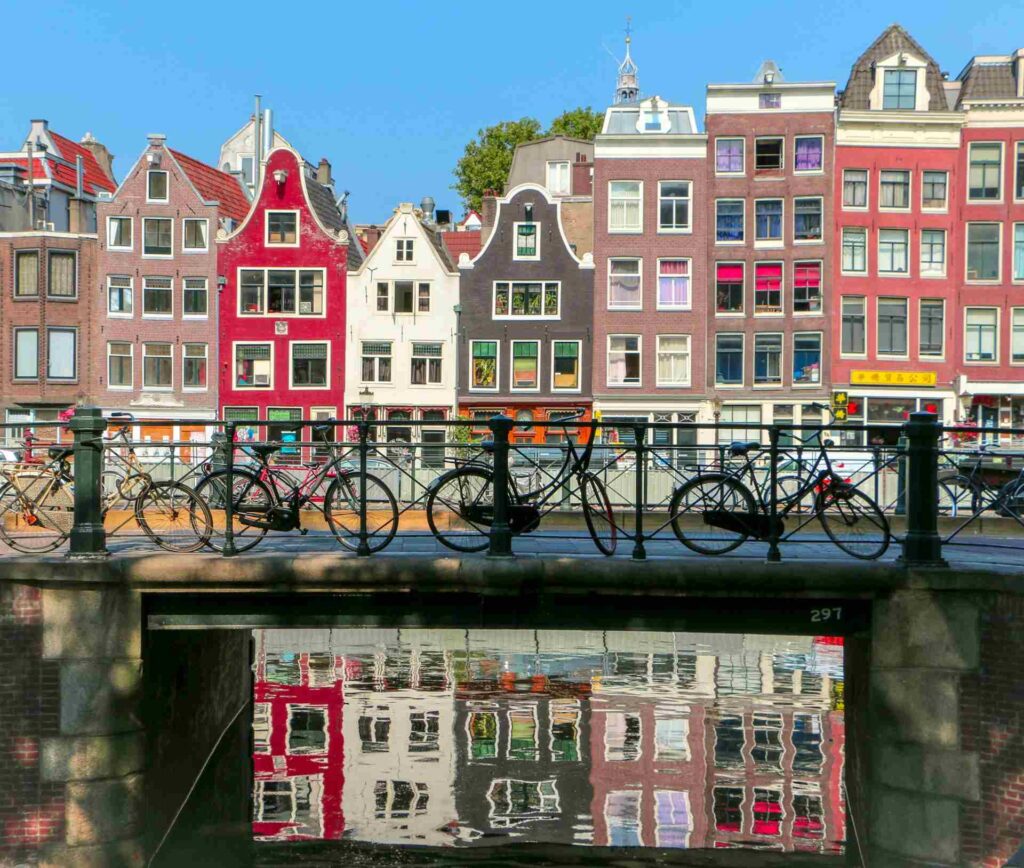
Amsterdam is preparing to introduce one of the most innovative measures in Europe on the urban climate policy front: a ban on advertisements for fossil fuels and products with a high environmental impact, including meat, in city public spaces and on local transportation. The goal is not just symbolic. The administration wants to intervene in the communication environment that influences citizens’ daily choices, reducing the visibility of consumption patterns with high environmental impact.
The measure, approved by the city council, will prevent the promotion of fossil fuels, airline flights, cruises, and cars powered by gasoline or diesel, as well as the advertising of meat products. Scheduled to take effect in the coming months, it represents the culmination of a political and social journey that in recent years has seen a growing consensus around the idea of limiting commercial communication related to activities that involve high greenhouse gas emissions.
This is not an isolated case
Amsterdam is not an isolated case: several cities in the Netherlands have already adopted similar initiatives, a sign of a growing trend toward local policies that aim to integrate the communication dimension into climate strategies. Indeed, advertising helps to define what appears normal, desirable and socially accepted, and continuing to promote emissions-intensive products and services risks making behavior change more difficult.
Supporters of the measure often recall the precedent of anti-smoking campaigns. There, too, the gradual reduction of tobacco advertising, coupled with tax and health policies, helped change established social habits. Applying a similar approach to the climate issue means recognizing that the ecological transition depends not only on technologies and investments, but also on the cultural environment in which consumption decisions mature.
According to this approach, climate policies risk losing effectiveness if urban space continues to be dominated by messages that incentivize behaviors that are incompatible with emission reduction goals. Limiting these advertising campaigns therefore becomes a form of“communicative coherence” alongside measures on energy, sustainable mobility and food.
A European laboratory
Amsterdam’s choice is part of a European context in which the regulation of climate advertising is emerging as a new terrain for policy intervention. Some countries are considering national restrictions on the promotion of fossil fuels, while several local governments are experimenting with similar tools through the management of urban advertising space.
The ban aims to influence the cultural context in which the everyday choices of citizens and businesses are formed. The idea is that the ecological transition also comes through what cities decide to promote or not promote: visible messages in public spaces help guide lifestyles, consumption patterns, and social expectations.
If the measure proves effective, Amsterdam could become a European laboratory for a new season of urban policymaking in which commercial communication management can be a tool of environmental governance. With this in mind, fewer billboards for fossil fuels and hamburgers and more space for messages compatible with the climate economy of the future represent one piece of a broader strategy aimed at transforming the way cities tell the transition.