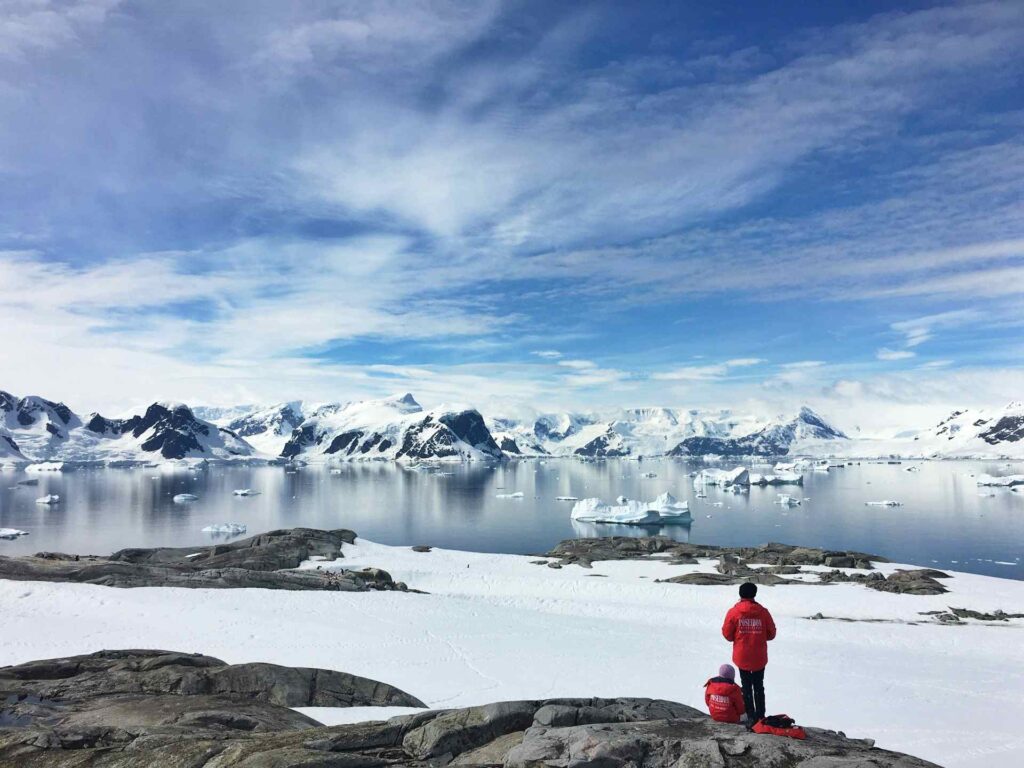
In Antarctica, the biological calendar of penguins is changing faster than expected. Between 2012 and 2022, three species in the Pygoscelis group advanced their reproduction by up to two weeks. This was revealed in a 10-year study by Penguin Watch, conducted with Oxford and Oxford Brookes Universities, published in the Journal of Animal Ecology on Jan. 20, World Penguin Day.
Early reproduction at a record pace
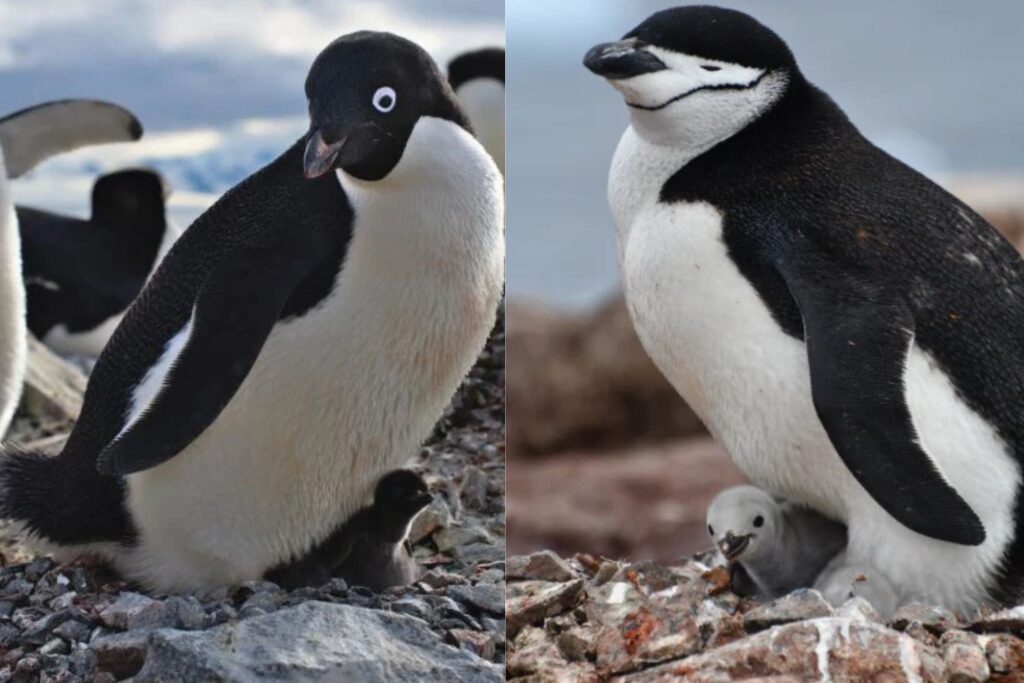
Researchers tracked colonies of Adelia(Pygoscelis adeliae), chinstrap(P. antarcticus) andpapua (P. papua) penguins using 77 cameras distributed in 37 colonies between Antarctica and subantarctic islands. The cameras took periodic photos and recorded air temperature in the colonies, providing accurate data on the penguins’ behaviors and the environmental conditions in which they live.
The results show that papua penguins anticipated breeding by about 13 days on average, with peaks of 24 days, while Adelia and chinstrap anticipated by about 10 days. This is the fastest change ever recorded for a bird and perhaps for any vertebrate. Ignacio Juarez Martínez, lead author of the study, explained, “Papuas, which are more adaptable, are benefiting from the milder temperatures, while Adelia and chinstrap, which are more specialized, face greater difficulties.”
The observed colonies are warming by 0.3 °C per year, four times more than the Antarctic average. This warming accelerates reproduction and increases competition for nests and food. In some colonies, papuas have already occupied nests traditionally reserved for Adelia or chinstrap.
Ecosystem and biodiversity risks
According to Professor Tom Hart, co-author of the study, “Observing animal behavior is crucial: it is often the first sign of stress that precedes declining populations.”
It is not yet clear whether the penguins will be able to maintain this rhythm in harmony with the availability of krill and fish. Even small mismatches, between the penguin breeding season and food availability, can make it more difficult for chicks to survive and risk destabilizing the Antarctic ecosystem.
Fiona Jones, coauthor of the study, reminds us that “penguins are indicators of climate change. Studying how they respond helps us understand the resilience of species worldwide.” For the researchers, each penguin species plays a definite role in nutrient cycling and food availability in Antarctica: losing even a single species risks upsetting this balance.