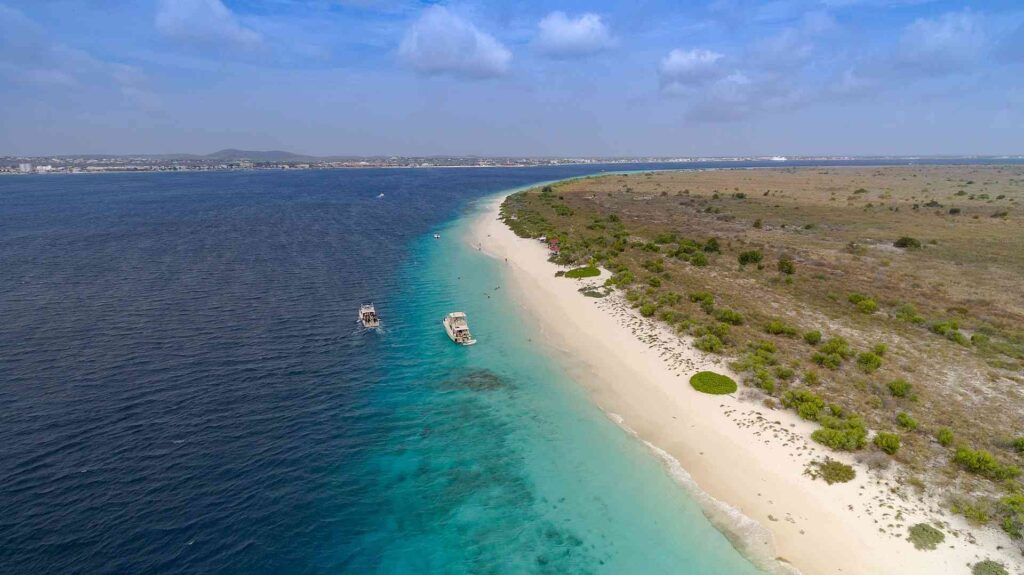
On tourist brochures, Bonaire is the cobalt blue of the Caribbean, a diver’s paradise, a biodiversity Eden. But just shift your gaze from the coral reefs inland to observe a different island, where drought and coastal erosion are daily problems. For the 20,000 citizens of this “Special Municipality” in the Netherlands, off the coast of Venezuela, the climate crisis means, first and foremost, drinking water rationing.
The judgment
With its January verdict, the Hague tribunal ended an environmental double standard. The victory for Greenpeace and the eight island plaintiffs forces the government to bridge the gap between mainland ecological ambitions and the silence reserved for overseas territories, which have too long remained off the radar of state protection.
The verdict is an ultimatum: the executive has 18 months to enact binding climate emissions targets in line with the Paris Agreement. But the real earthquake is philosophical before it is legal: the court recognized that Bonaire was discriminated against. Although it is part of the Dutch state, its inhabitants have been made more vulnerable than the continent’s “cousins” to the effects of the climate crisis.
If politics discusses, the island acts
While the government analyzes the ruling, adaptation is already a matter of survival in Bonaire. Local agriculture, strategic for reducing foreign dependence, is the most exposed sector. With unpredictable rains and record temperatures, farming has become an exercise in ingenuity: artisanal greenhouses and moisture recovery are the only defenses against aridity. On an island that imports almost all its food, every lost crop is a direct blow to residents’ economic stability.
Coral reefs, an engine of tourism and a natural barrier, are experiencing an accelerated decline due to warming seas. According to projections, part of the current coastline is at risk of going underwater by 2050. For those who live here, climate change coincides with the physical disappearance of their land.
Beyond the ruling: we need construction sites
The Hague verdict is a historic precedent that is likely to remain a symbolic success if immediate investment in coastal infrastructure and water management does not follow. Bonaire has, however, stopped waiting. From mangrove reforestation to waste micro-management, the local community is implementing autonomous responses. The island’s case confirms a global paradox: the costs of the climate crisis weigh most heavily on those with the least responsibility for emissions. This time, however, the judiciary has forced the government to take responsibility.