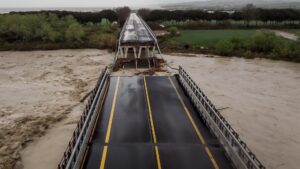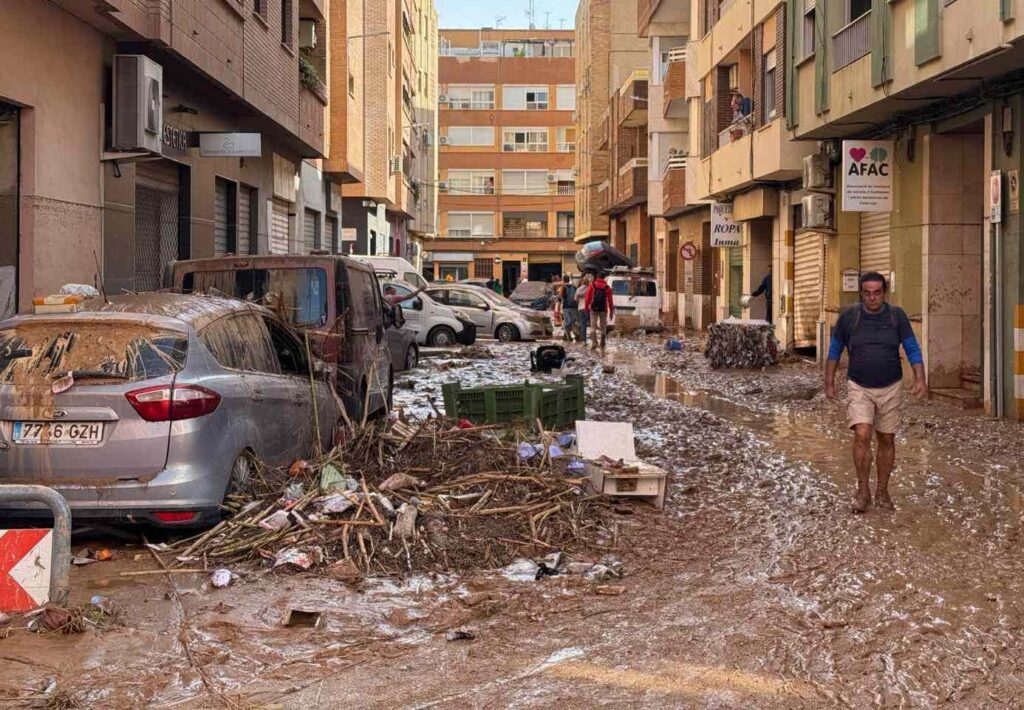
Valencia, October 29, 2024, 7:36 a.m.. The Spanish weather agency issues red alert. Thirteen hours later, at 8:28 p.m., the message reaches citizens’ phones. In between: 232 deaths, flooded neighborhoods, 845,000 people in 68 municipalities who continued the day as normal. Salomé Pradas, emergency manager for three million Valencian residents, discovers that the mobile alert system exists at 8 p.m. that evening-as staff urge her to activate it and water floods the streets. Maria José Martinez, a 62-year-old nurse in Paiporta, works her regular shift without receiving a warning. Her son calls her at 7 p.m. asking if she has seen the news. She has not seen them. When she reaches her car in the underground parking lot, water is already coming down the ramp.
Four days earlier, the Japanese embassy in Spain received the same weather forecast and warned its citizens on October 28: avoid Valencia.
Not the first time. July 2021, Germany. The weather service predicts catastrophic floods four days before they arrive. The European Flood Alert System (EFAS) sends bulletins to national authorities on July 10 for floods that will hit on the 14th. The forecast matches exactly what will happen. 35% of residents in affected areas receive no warning. 85% of those warned do not expect severe flooding. Result: 196 deaths, 46 billion euros in damage. The same pattern as in Valencia.
“When do you realize that the problem is not the accuracy of the forecast but who has the authority to act?” Ciro Borrelli, business development manager at Weathernews-the world’s largest private weather company-has spent years observing this divide. His clients all receive the same European weather forecasts: renewable energy operators, urban authorities, shipping companies. In some cases the chain works. In others it breaks down even before the event. Let’s look at some examples.
When alerting works and when it doesn’t
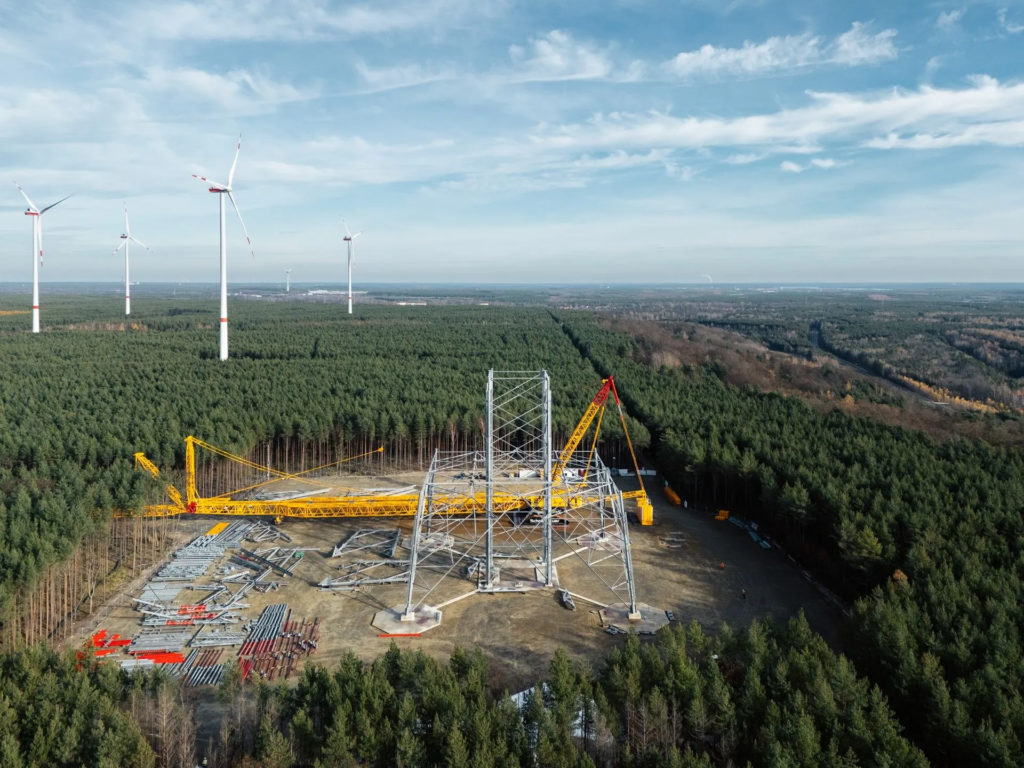
Onshore wind farm, Mediterranean area, operational phase. High-resolution weather signal arrives: gusts over threshold during scheduled maintenance window, 72 hours in advance, good confidence. Operations & maintenance manager anticipates and compresses activities, suspends work before critical phase enters. When gusts arrive, no accidents, no unplanned shutdowns, work safely completed. The chain worked: forecast → clear mandate → decision → protection.
Urban area, public alert management. Intense hail risk with potential damage to vehicles, goods on yards, light structures. The event is predicted correctly with sufficient advance notice. Alert is issued but communicated on fragmented channels, with low confidence from recipients. Few preventive actions. When the hailstorm arrives, the damage is exactly as avoidable: cars on the road, goods uncovered, structures not secured. Same accurate prediction as the previous scene. Opposite result. The chain is broken between communication and trust.
Commercial sailing, sensitive cargo, crossing in unstable weather area. Weather forecast along route indicates very heavy seas and increasing wind with possible impacts on cargo safety and stability. Clear communication of risk along forecasted route. Master changes course in advance, accepts extended voyage. Longer but safe navigation, cargo protected, no critical events. Even if it “costs” time, the right decision comes because the risk has been communicated well.
The pattern is not technical. It is institutional. Where there is explicit mandate about who decides and when, the forecast protects. Where it lacks, it becomes a number on the screen as the damage piles up.
Twenty-two euros vs. one
Europe spends twenty-two euros to improve weather forecasts for every euro spent on who coordinates responses: 5.4 billion euros for the Copernicus 2021-2027 satellite program versus 240 million annually for the Civil Protection Mechanism that coordinates national responses. EFAS sends the same flood forecast to 38 different national weather services through MeteoAlarm, each of which translates it into different alert levels, different languages, different thresholds before passing it on to regional governments, which decide whether to alert municipalities.
Bangladesh has reduced cyclone deaths from 300,000 in 1970 to 26 in 2020. How? Thousands of cyclone shelters built in coastal communities, trained local volunteers (50% women) who know every family in the village, school curricula that teach where to evacuate when the alert sounds. The system has an 88 percent success rate in alerting populations. When the weather signal comes, people know exactly where to go and what to do.
Japan has reduced disaster deaths by 97% since the 1950s by building integrated vertical coordination: the Japan Meteorological Agency (JMA) broadcasts through J-Alert, a national satellite system that automatically disseminates alerts to prefectures and municipalities without fragmentation. Clear accountability at every level, BOSAI (disaster preparedness) protocols in every community.
Weather disasters have caused 790 billion euros in losses in Europe since 1980, with three-quarters of those losses uninsured. Munich Re calculates that every dollar invested in preparedness prevents up to ten dollars in losses. Researchers who have examined this century’s deadliest weather disasters have concluded that further improving forecasting “would be unlikely to offer significant benefits without addressing these gaps in communication and response capacity.”
The fragmentation of institutional responsibilities
After the German floods of 2021, the European Environment Agency identified “fragmented institutional responsibilities and constraints in data sharing” as the systemic failure. Reforms focused on better forecasting and physical infrastructure: more accurate hydrological models, flood barriers, enhanced monitoring stations.
What has not changed: who decides when to send the alert, who has authority to order evacuations, how alerts move from European systems through national weather services to regional governments to municipal emergency managers. Germany’s federal structure fragments the response among sixteen states. Spain’s autonomous communities control emergency services. The EU funds forecasts but cannot decide how nations respond. The gap crosses the boundary between European competence (weather forecasting) and national sovereignty (emergency response). No institution has the mandate to force clarity on who decides.
So Salomé Pradas discovers at 8 p.m. on Oct. 29, 2024, that the warning system exists-while 232 people drown, three years after Germany proved that the scheme is lethal.
For an Italian reader, this is the system in which every city operates. When a weather alert comes on the phone-hail, high wind, flood risk-the question becomes: do I trust it? Do I act? A flood forecast for the Meuse River becomes three completely different alert systems crossing Belgium, the Netherlands, and Germany. Amsterdam faces the same fragmentation as Lyon or Milan.
Automatic optimism-“it will be fine”-in meteorology is not a character trait. It is a shortcut that can cost lives. Reading the signs becomes mutual care only when the chain works: clear forecast, credible communication, defined authority, possible action.
The next prediction will already be accurate. The question is, who decides to warn you?