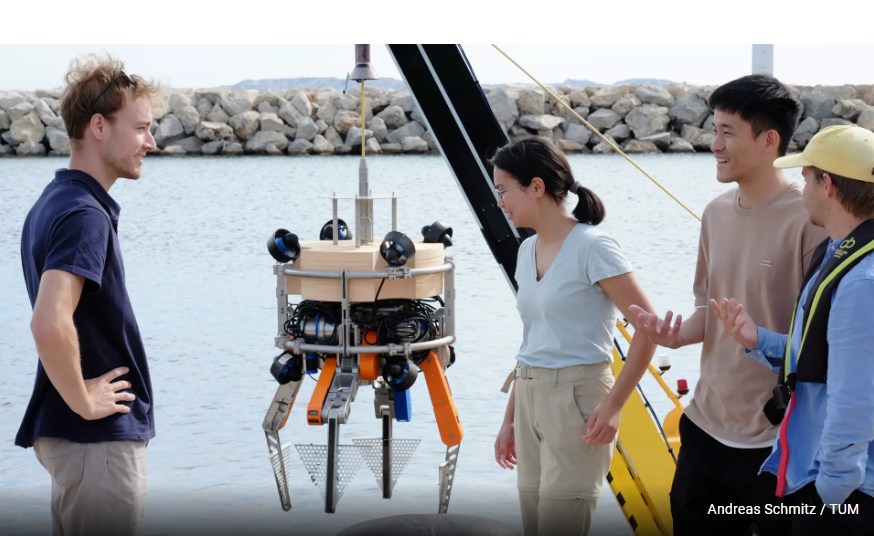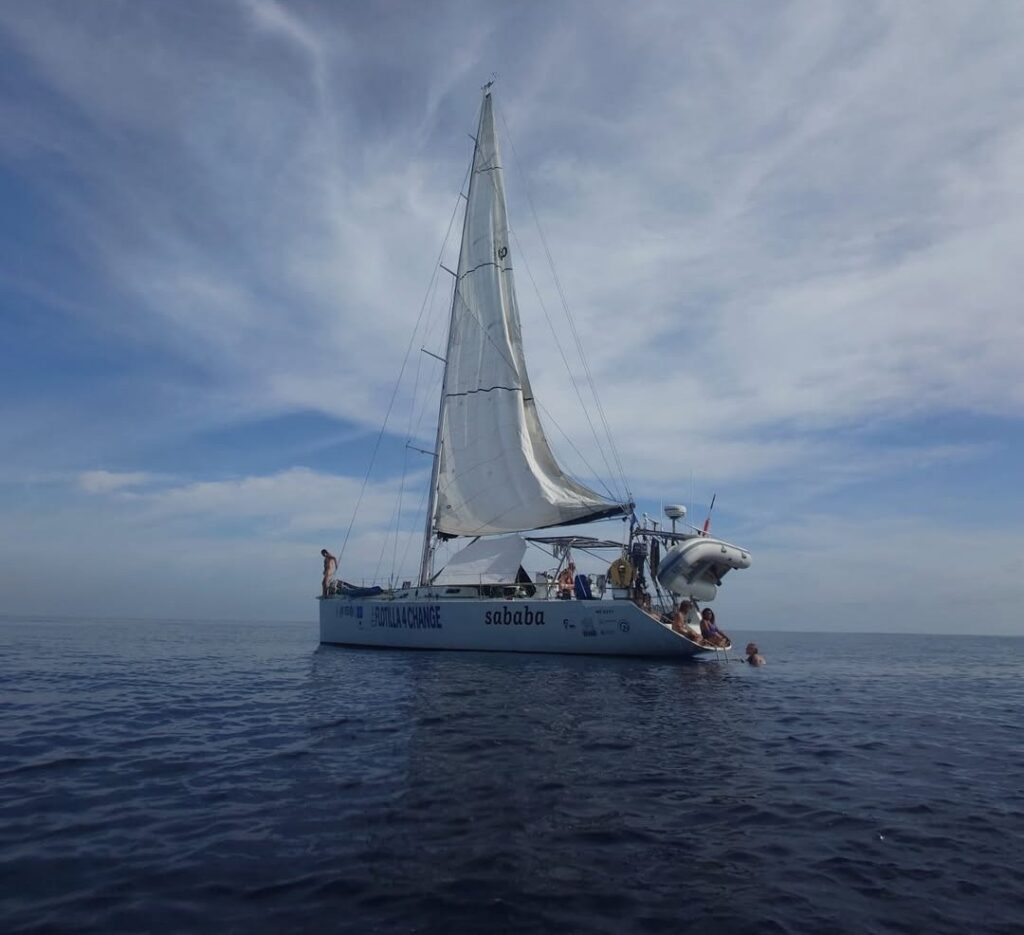
A boat is preparing to set sail in the Caribbean with an ambitious goal: to say enough about fossil fuels as the world becomes hostage to oil and gas again. The expedition, called“Flotilla for Climate Justice,” will leave in early April from Sint Maarten and reach Santa Marta, Colombia, where an international summit dedicated to getting off fossil fuels is scheduled. On board will be activists, researchers, and representatives of organizations that for years have been calling for a sharp change of course in energy policies to avoid climate collapse.
The journey is one of stops, meetings and direct confrontation with the territories. The Caribbean is not chosen at random: climate vulnerability, energy dependence and the legacies of long unsustainable exploitation of natural and human resources are intertwined here. At the heart of the action is the idea of an international treaty on fossil fuels: no more generic commitments, but a global strategy to bindingly reduceproduction and consumption.
The summit
The summit toward which the boat is headed stems from this very impetus. In recent years – marked by the difficulties of climate negotiations in establishing clear limits on oil, gas and coal – a growing group of vulnerable countries, cities and organizations have begun to argue for a specific fossil fuel treaty. The proposal is to flank U.N. climate agreements with a more agile instrument aimed at reducing fossil fuel supply, modeled after international treaties on arms and hazardous substances. A way around the blockade of fossil fuel-linked countries that slow down any path to negotiation within the UN framework.
The Santa Marta summit represents one of the first concrete attempts to bring this proposal out of the perimeter of activism and into a more structured international political agenda. The problem is that while this initiative is taking shape, Trump’s United States is pushing the world in the opposite, increasingly dangerous direction. The geopolitical tensions that have erupted in recent months have brought oil back to center stage in a brutal way. The Strait of Hormuz has become the knot that threatens to strangle the global economy by activating one of the most dangerous war escalations.
The White House’s moves are more unpredictable than ever because the attack on Iran has led to a destabilization whose end is not yet in sight: unstable markets, more expensive energy, economies under pressure, supply of essential materials to critical production lines slowing. It is the result of a dependence on fossil fuels that has never been sufficiently reduced: every energy crisis raises the bar of risk, reminding us that a world dependent on fossil fuels is not safe in any respect.
Climate crisis accelerates
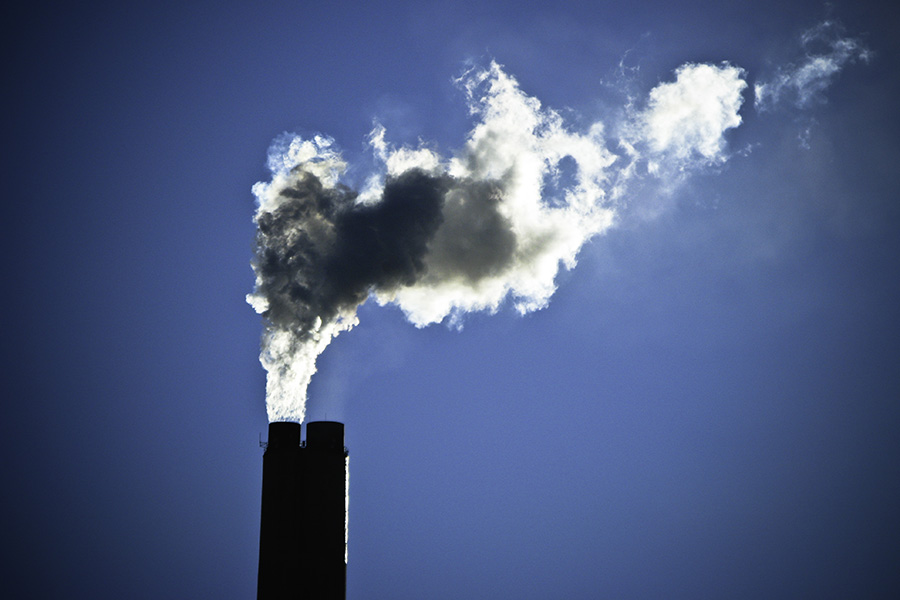
Making the picture even more paradoxical is the fact that while the global balance is being shaken by the oil and gas wars, the climate crisis caused by fossil fuels is not slowing down, but accelerating. The latest available data indicate that the three-year period 2023-2025 has been the hottest on record: the safety threshold set by the scientific community at a 1.5-degree increase over pre-industrial levels has been exceeded. Every fraction of a degree more translates into dramatic effects. Ever-longer heat waves, extreme rainfall that turns city streets into torrents, endless droughts that put agriculture and cities in crisis, wildfires out of control. Events that until a few years ago were exceptional are becoming the norm.
We could curb climate disaster if instead of focusing production on bombs used to control oil wells we invested in renewable energy facilities, storage systems, smart grids, advanced research. This is a direction of development that is not only possible but partly already realized. What is lacking is speed, the political push to accelerate the energy transition that is the best guarantee of security at all levels.
The Flotilla was born for this. To highlight the contradiction we live in. And to call everyone to defuse the war threat and the climate threat that are ever more closely intertwined. It is a symbolic gesture, but symbols often have great power.