Europe is still inside an energy crisis, and the question today is: Is this an emergency to be plugged or a transition to be accelerated? According to European Energy Commissioner Dan Jørgensen, the answer is clear. We are no longer in 2022, when the risk was running out of gas. Today the system holds, supplies are diversified. The problem is the price of energy, which remains exposed to global tensions.
A key passage, explained while speaking to several European media including Corriere della Sera, that shifts the focus of the debate: no longer security, but market structure.
High prices: the knot of fossil fuels
Behind the high bills is a simple reality: Europe continues to depend on imported fossil fuels. And as long as it does, it will remain vulnerable. International tensions, such as those related to the crisis in the Middle East, are proving this once again. Going up are gasoline, diesel, jet fuels: the global price goes up and drags everything down with it.
This is where the real game is played. Reducing this exposure requires not buffer interventions but system change.
More renewables, less volatility
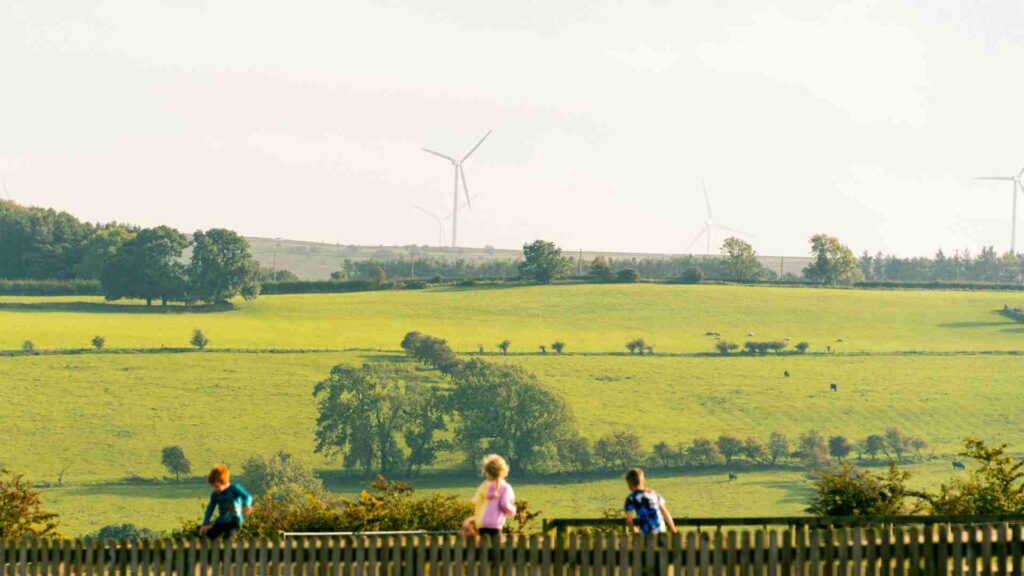
The Commission’s strategy goes exactly in this direction. More energy produced in Europe, especially from renewable sources, means less dependence and more price stability. It is an economic and geopolitical choice.
Alongside this, Brussels aims to strengthen tools to “sterilize” volatility: long-term contracts, more flexibility in state aid, interventions on networks. Less visible, but decisive measures to make the system more predictable. Fiscal leverage also enters the picture, with an invitation to states to reduce the burden of energy taxes, although here the terrain remains slippery.
Ets: the heart of the transition
The most sensitive issue remains the European emissions trading system. Ets is under pressure, not least because of the impact on energy costs, and some governments are calling for a major overhaul. The Commission does not intend to give in. For Jørgensen, Ets is not the problem but part of the solution: it has helped reduce gas consumption and steer industrial investment toward cleaner technologies. Dismantling it to lower prices today would risk raising them tomorrow, because it would increase dependence on fossil fuels. This is where the conflict between short-term logic and long-term strategy emerges most clearly.
In this context, a temptation also re-emerges: to return to Russian supplies to calm prices. Brussels rejects it without hesitation. It would be, in the commissioner’s words, a strategic mistake. Not only for geopolitical reasons, but because it would mean falling back into exactly the pattern that has made Europe vulnerable.
The goal remains to be permanently done with Russian oil by 2027. A choice that comes at a cost in the short run, but aims to reduce risk in the long run.
Transition as the only way out
The picture that emerges is stark: the energy crisis is not solved by slowing the transition, but by accelerating it. More renewables, more domestic production, less exposure to global markets. It is a trajectory that requires investment and time, and inevitably creates political tensions.
But the alternative is to remain hooked to an unstable system, where every international crisis automatically translates into a higher bill. In the end, the real choice before Europe is all here: manage the emergency or change the model. And, at least for now, Brussels seems to have decided which side it is on.