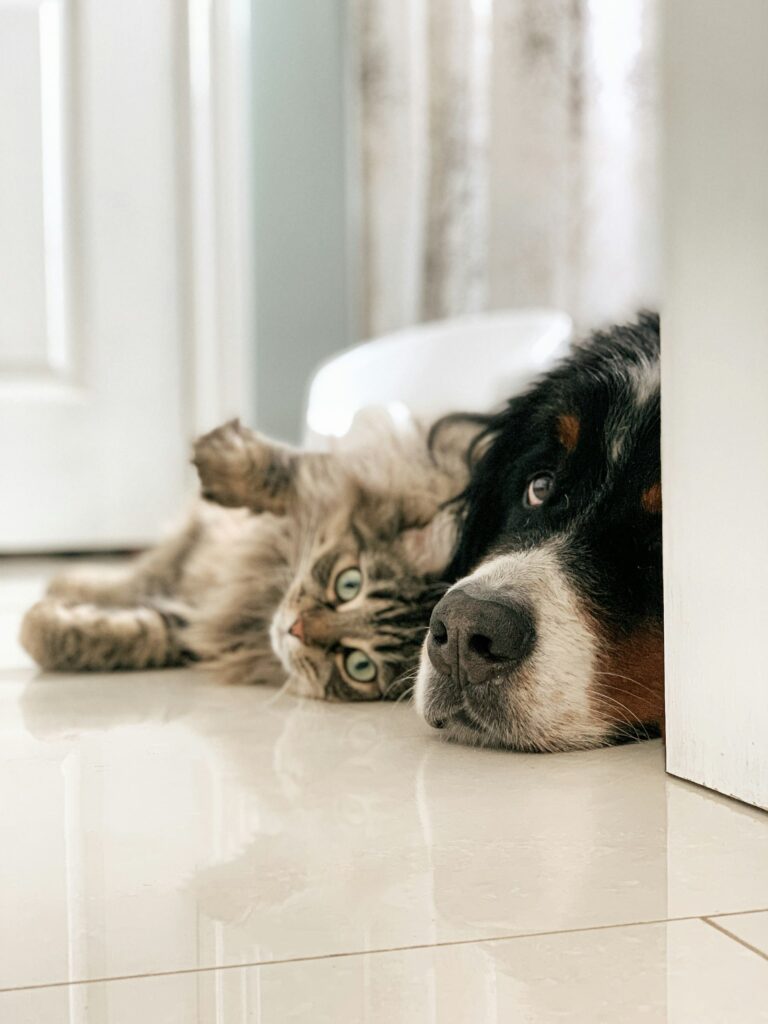
Life gets complicated for those who do not care about animal welfare. Even their own. Indeed, the European Union is taking a historic step in the
A significant step forward for dogs and cats across Europe.
— Humane World for Animals Europe (@humaneworldeu) December 1, 2025
The first-ever EU rules on the welfare of cats and dogs have been agreed by EU legislators, marking an important milestone in improving standards and tackling illegal pet trade and irresponsible breeding.
The new… pic.twitter.com/cvnN9vGegA
The new rules could also be a turning point for public health and the fight against illegal trafficking by hitting the gains of criminality, which are high in this field. In Italy alone, one of the latest photographs of the phenomenon spoke of a turnover of more than 300 million euros a year linked to the “black market” of puppies imported from abroad.
Four years to comply
The reform includes mandatory microchip identification for all dogs and cats in the Union. The data will flow into national databases that can also be consulted by operators of other nationalities, finally making uniform traceability from country to country possible. Breeders, sellers and shelters will have four years to comply. For private owners, the time frame is getting longer: they will have to comply within ten years for dogs and fifteen for cats.
But the package also contains decisive measures to curb a breeding model that, in recent years, has often sacrificed animal welfare to the logic of the market. The agreement outlaws mating between related animals-such as parents and offspring, grandparents and grandchildren, siblings or half-siblings-a practice that increases the risk of genetic diseases and chronic frailty.
Stop also exaggerated selections to obtain aesthetic features sought by the market but detrimental to health such as excessively short limbs, excessively flattened muzzles or other conformations that reduce the animal’s quality of life.
More controls on imports
On the daily welfare front, Brussels intervenes with a clear message: no more animals kept for long periods of time in conditions incompatible with their needs. In fact, it will be prohibited to keep dogs and cats constantly tethered , and the use of choke or spike collars, painful instruments that have been disputed by veterinarians and behaviourists for years.
Another key piece concerns imports. Today many puppies arrive in the EU declared as “non-commercial movements” to circumvent controls, despite being intended for sale. The new rules close this loophole: non-commercial movements will also have to meet the required standards, and animals from third countries will have to be microchipped before entry and registered in a national database.
The reform, hailed as a step forward by animal welfare experts, aims to build a more transparent European market, thwart illegal trafficking and promote more ethical breeding practices. Good news for dogs, cats. And for all European citizens who believe in a more respectful relationship with other living things.