February is a short but dense month, even at the table. Winter is still fully on the scene, but the light is beginning to lengthen and the body demands foods that can comfort without weighing it down. This is where seasonality becomes a concrete compass. Choosing fruits and vegetables in February means eating produce that is tastier, often less expensive and, above all, more consistent with natural rhythms and an idea of eating that reduces waste and emissions.
The landscape, on the fruit front, is still dominated by citrus fruits. Oranges, tangerines, clementines and grapefruits reach their peak right now, offering a high concentration of vitamin C and antioxidants useful for supporting the immune system in the heart of winter. Alongside them stand kiwis, apples and pears, “stock” fruits by definition, capable of storing for a long time without losing nutritional qualities. Kiwis, in particular, will remain a valuable source of vitamin C even when the citrus season begins to decline, while apples and pears provide easily digestible fiber and natural sugars.
Thick leaves and roots
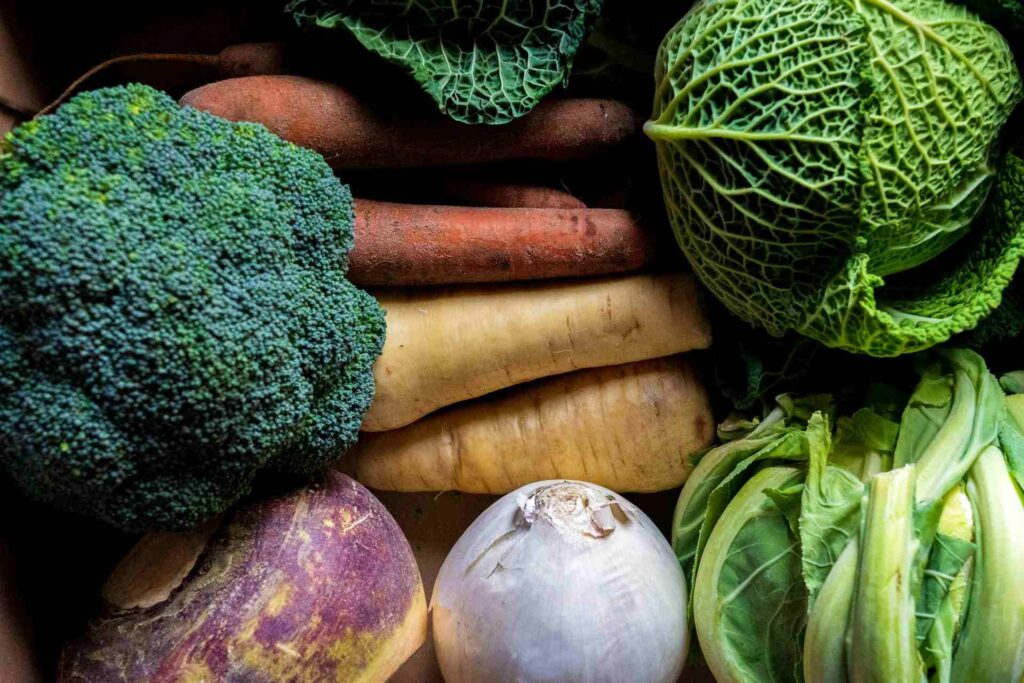
February is not the month of flashy abundance, but of solidity. The same goes for vegetables, which speak the language of thick leaves and roots at this time. Broccoli, cauliflower, savoy cabbage and Brussels sprouts are discreet but powerful protagonists: they belong to the cruciferous family, known for their content of vitamins, minerals and bioactive compounds associated with metabolic and protective benefits. They are not “easy” vegetables, requiring careful cooking and a modicum of imagination, but they pay off with hearty, deep dishes that are perfect for the cold season.
Alongside them are chard, chicory, radicchio, and spinach, vegetables that bring a bitter note to the dish capable of balancing the richer flavors of winter. Radicchio, in particular, is one of February’s most versatile ingredients: raw, grilled or baked, it manages to transform itself without losing identity. Fennel and leeks add freshness and fragrance, while turnips, celeriac, and carrots remind us that winter is also the season for roots, humble but essential ingredients for soups, velvety soups, and one-pot dishes.
Environmental benefits
Eating in season at this time of year is not only a nutritional choice. It is also a way to restore order after the excesses of the holidays, bringing the kitchen back to simple, warm preparations: soups, legumes, baked vegetables, essential side dishes. Environmentally, choosing produce grown in its natural ripening period means less reliance on heated greenhouses, long transport and forced storage. In other words, less energy spent before food reaches the plate.
February, with its apparent austerity, teaches a clear lesson: there is no need to have everything, all the time. Just have what you need, at the right time. Juicy citrus fruits, robust vegetables, warm and simple dishes. Seasonality, when it works, does not ask for sacrifices: it just asks for a little attention. And it restores taste, balance and a cuisine that follows time instead of chasing it.