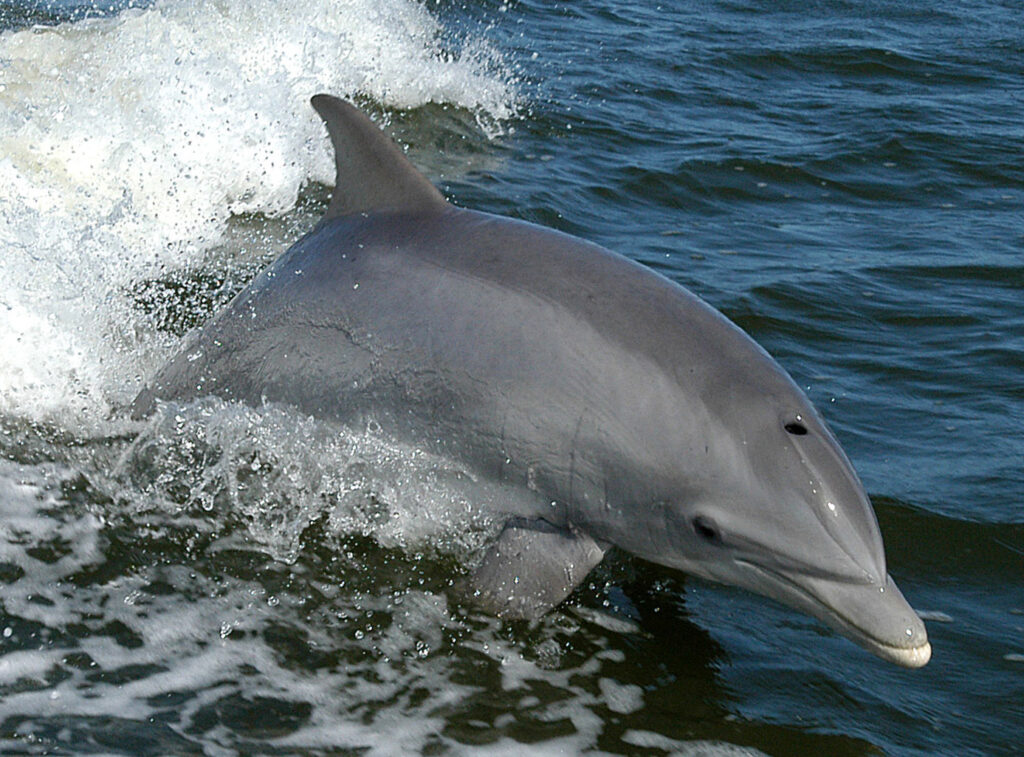
Cop30 opens in the Amazon’s iconic city of Belém do Pará, with the eyes of the world on the Planet’s green lung. But the green cannot hold if it does not hold the blue: the climate challenge starts from the sea. This is the thrust of the appeal launched by the Marevivo Foundation as the UN climate conference opens.
“Let’s save the tropical forests, but let’s not forget the oceans,” proposes Rosalba Giugni, president of Marevivo, which is calling for marine protection to be firmly placed on the agenda of international negotiations. The oceans, the organisation recalls, are the Earth’s true thermal regulator: they absorb about 89 per cent of the excess heat produced by greenhouse gases. This is an extraordinary capacity but one that is close to its limit, as evidenced by the intensification of extreme phenomena. Hurricane Melissa, which devastated the Caribbean in recent weeks, is a wake-up call: the surface temperature of the oceans (their warming rate has nearly doubled in the past 20 years) is fuelling cyclones of unprecedented power.
The blue lung that keeps us alive
The oceans are a giant carbon sink: their sink capacity is about 15 billion tonnes of CO₂, about a quarter of human emissions. And half of the oxygen we breathe comes from the sea, thanks to the invisible work of phytoplankton. A vital system that today is in danger of collapsing under the weight of acidification, warming and pollution.
“The sea is our best ally against climate chaos, but we are driving it to collapse,” Giugni warns. “COP30 decisions must reflect this reality. Protecting the oceans is one of the most effective, if not the most effective, climate adaptation and mitigation measure we have available.” The goal, Marevivo reminds us, is clear: to protect at least 30 per cent of the oceans by 2030, as required by international agreements. But concrete commitments, funding and real monitoring are needed.
Blue forests, barriers and coastal communities
Mangroves, posidonia meadows and coral reefs: these are the “blue forests” that absorb and store vast amounts of carbon, but they are disappearing at a dramatic rate. Since the beginning of the industrial age, CO₂ absorption has made the oceans 30 per cent more acidic, putting the entire chain of marine life at risk. And since the 1950s, waters have lost about 2 per cent of their dissolved oxygen.
Added to this is the threat of sea level rise, one-third of which is due to thermal expansion of water. A time bomb for millions of people living along coastlines, particularly in tropical and island countries.
A comprehensive plan is needed
“Defending blue forests,” Giugni continues, “means investing in the most powerful natural infrastructure for climate stability. We need a global ocean observation plan capable of measuring and understanding the acceleration of ongoing changes, and a strategy to address climate crisis, biodiversity loss and plastic pollution together.”
At COP30, Marevivo will bring the voice of the Planet’s “blue lung”: a sea that regulates the climate, generates oxygen and absorbs carbon, but is in danger of turning from ally to victim of the climate crisis.