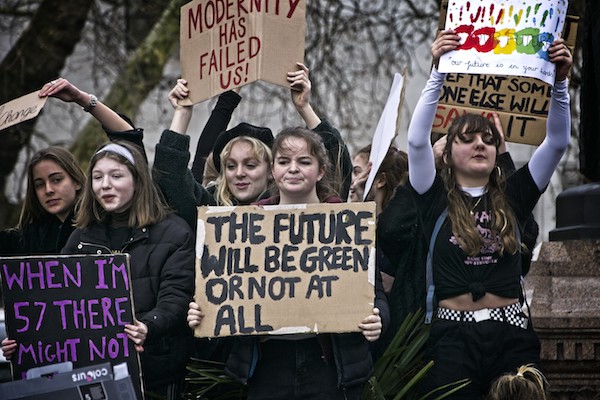
In a world that increasingly depends on autocracies ruled by old men, that is, people who have strengthened their power system in the fossil fuel century, the hope for change rests largely on generational change. And here we find some surprises. Generation Z is reshaping the hierarchy of desires. Well-being, consumption choices, work and daily life are aligning in a different order from previous generations. This generation is less attracted to material possessions and more focused on experiences that give meaning to life. It focuses on physical health,mental balance and environmental sustainability. This is not just a philosophical reflection: it is a concrete orientation that is reflected in the shopping cart, housing choices, leisure time, and the relationship with brands.
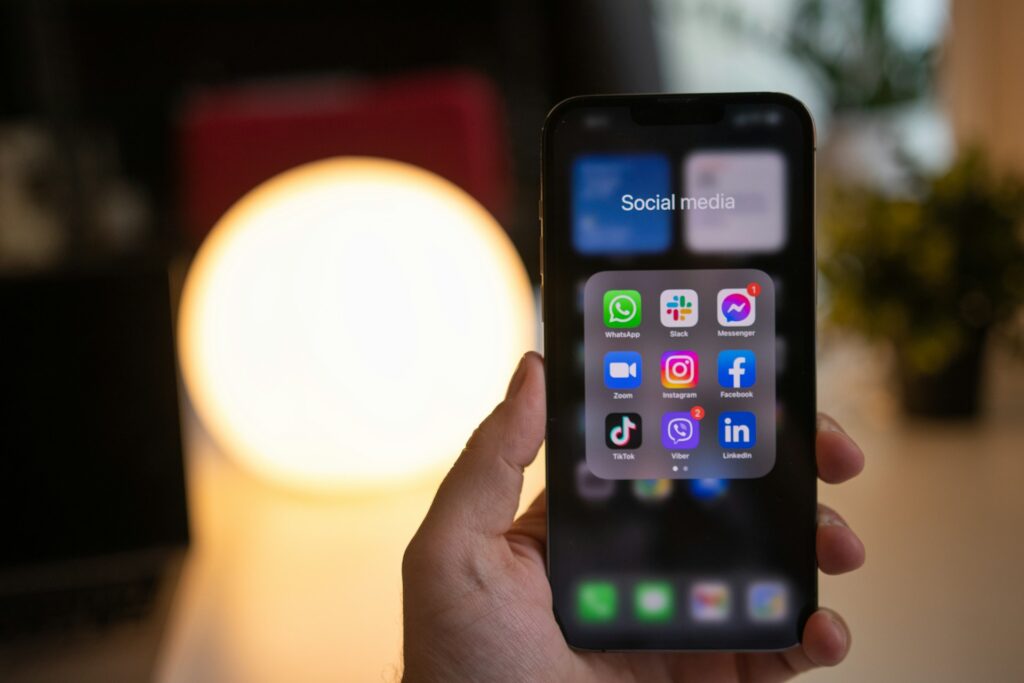
So says a survey by Bain & Company‘s Consumer Lab, conducted on more than 1,500 Italian consumers of different generations with a specific focus on Gen Z. It is a portrait dense with contradictions, but precisely for this reason interesting. The first major paradox concerns digital. Gen Z is hyper-connected like no other generation before it, but they pay the price. A large majority recognize that they have an imbalanced relationship with the smartphone: constant checking, fragmented use, constant presence that devours attention and time. For a non-marginal share of these young people, the hours spent in front of a screen far exceed the threshold of a workday.
The consequences are being felt. Sleep deprivation is increasingly common and is linked to feelings of being less productive, less focused, less present. Always connected, often exhausted. So it is not surprising that a kind of digital fatigue is growing, accompanied by a desire to set stakes and recover more authentic relationships, less mediated by a screen.
More gym, less scroll
When Gen Z imagines its ideal leisure time, it seeks a remedy for the digital stress it suffers from. So it deals, in various ways, with its body. First of all, it wants to use it: make it live, not just lazily and dangerously survive. Sports and exercise play an important role. Just as nutrition plays an important role. Generation Z is careful about what they put into their bodies: they want healthy foods, they are interested in organic, they are trying to reduce the impact of an overdose of synthetic chemicals.
In short, it tries to regain the balance it feels it is losing with digital overexposure. And this need for balance also changes the way he looks at work, less and less understood as simply a source of income and more and more as a space for relationships, meaning and belonging.
Then there is another key passage. For Gen Z, well-being is not a sum of separate pieces, but an integrated system. Mental health and physical health travel together and come before other aspects traditionally considered central, such as financial security. In Italy, mental health is now listed as a top priority by a large majority of consumers, with an even greater weight among younger people.It is a clear paradigm shift: being well, for Generation Z, means first and foremost functioning as people, not just as productive cogs or solvent consumers.
Buying is a moral choice
This view is reflected in purchasing choices. Gen Z is less willing to turn a blind eye to perceived inconsistent or unfair business practices. And they see boycotts as a normal tool for pressure. Brands accused of discrimination, poor environmental care, animal exploitation, or opaque business practices are excluded when it comes to putting their hands in their wallets.
In Italy, the sectors most exposed to this attitude are food and fashion. In particular, fast fashion pays the bill for production models considered incompatible with environmental and social sustainability.
For businesses, Gen Z thus represents a challenge to be reckoned with. Transparency, consistency and sustainability are no longer good side elements for a marketing campaign, but basic requirements to remain credible. Brand loyalty is built not only on quality or price, but on the ability to demonstrate, over time, real alignment with the values one declares.
In summary, Generation Z does not demand perfection, but honesty. It wants fewer slogans and more facts, fewer promises and more consistency. Will it change as it gets older? Perhaps, to some extent. But there are structural facts that suggest a gradual strengthening of these attitudes. The old men who cling to power thanks to fossil lobby money are betting on the present because they have no future. But those who hope to project their lives into the second half of this century know that unless the climate crisis is curbed, existence will become harder and riskier. He knows that the old work is dying out, that the new must be built, and it is better to build it more equitably. It knows that the global economy is already committed to the ecological transition. And if by chance anyone should forget that, the news reports remind him again and again. This generation is unlikely to discount those who want to take away its future.