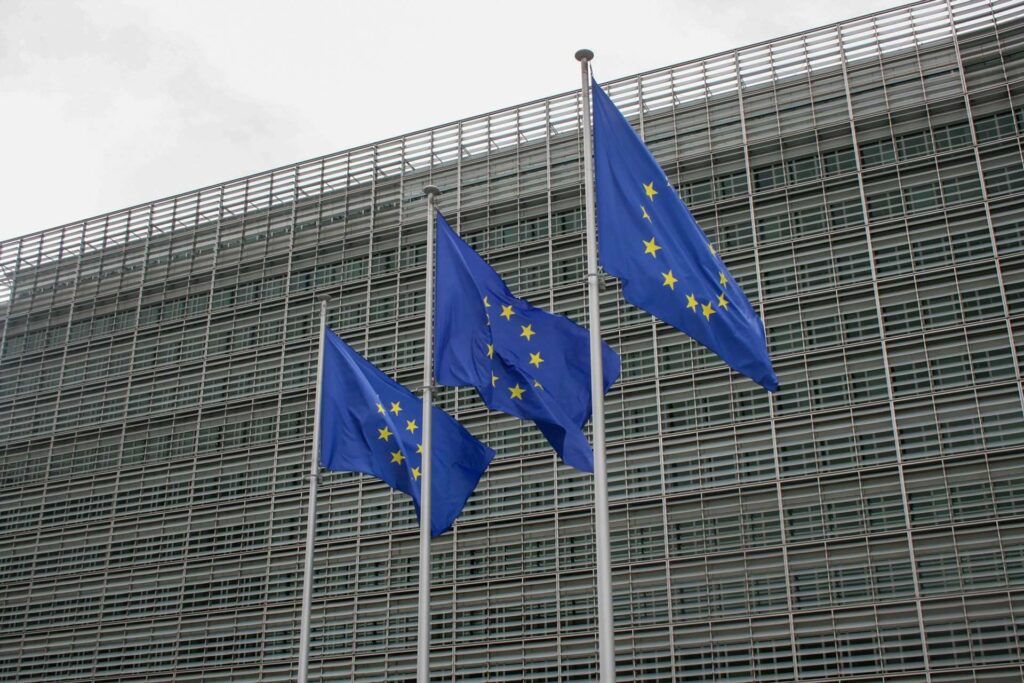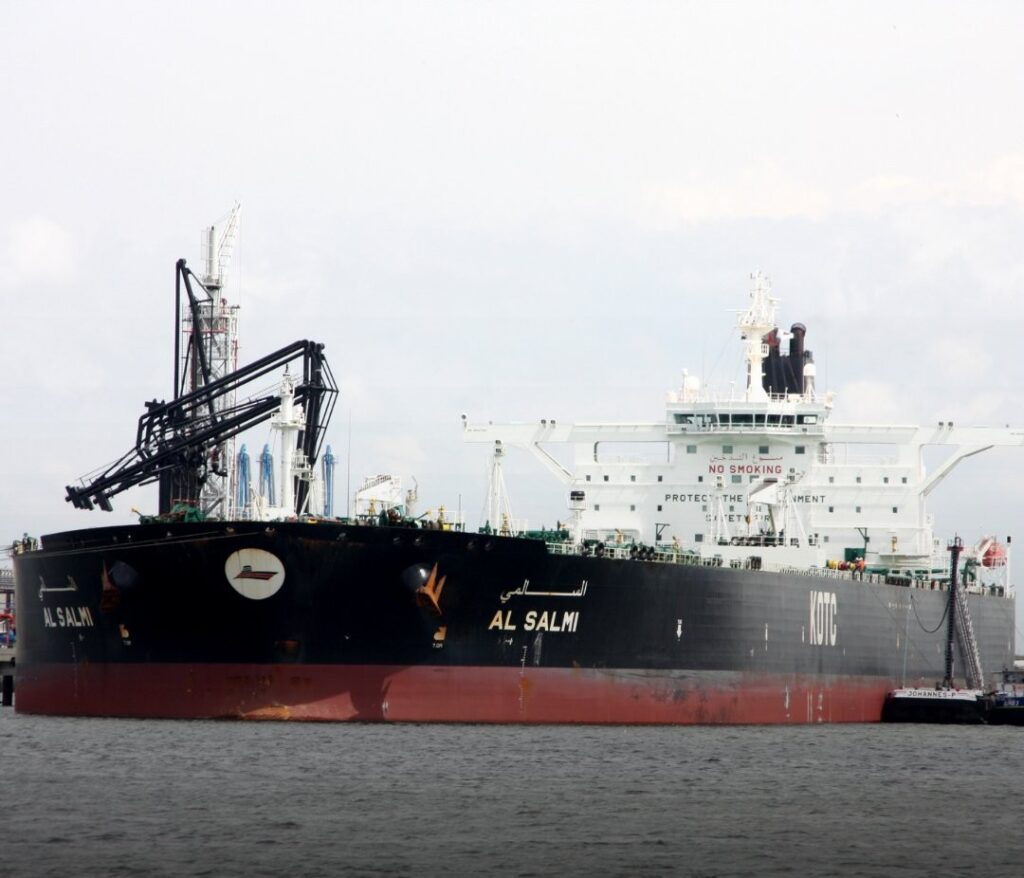
March 31, 2026 is a date that many Italian companies would do well to circle in red: by that day more than 3,000 importing companies must apply for authorization as CBAM registrants. Without that step, from the next day it will no longer be possible to legally import a range of emission-intensive goods from non-EU countries. This is the first concrete test of the Carbon Border Adjustment Mechanism, the European embedded carbon tax.
The goal of CBAM is to prevent the most polluting productions from circumventing European environmental rules by simply moving across borders. In practice, those who import goods from countries where carbon rules do not meet European standards must purchase CBAM certificates proportional to the CO₂ emitted to obtain the products. A structural measure of the European Green Deal, designed to have a profound effect on industrial supply chains and sourcing strategies.
Italy at the forefront
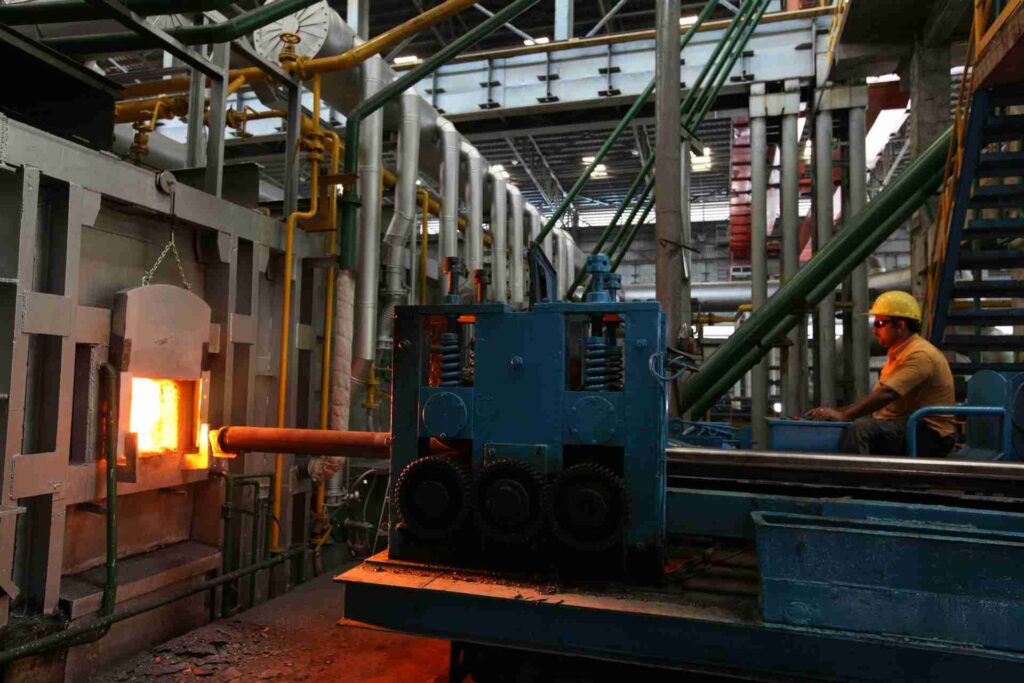
To date, iron and steel count for 98 percent of the volumes involved in the first application phase, making the steel industry the heart of the new mechanism. And this is where Italy finds it is particularly exposed. iSustainability‘s analysis, which cross-references Eurostat data and early communications from the European Commission, shows how our country ranks first in Europe in terms of non-EU imports of flat steel products: in 2024 they amounted to 6.23 million tons, or 28.7 percent of the European total. A dependence that makes the impact of the CBAM anything but theoretical.
According to the consultancy’s estimates, based on import flows and the first applications submitted in Europe, the mechanism already affects at least 3,000 Italian companies, a number that will grow as new positions emerge in the coming weeks. It is not surprising, then, that signals of strong concern are coming from industry. Assofond, the association of foundries, has spoken openly of a risk of production shutdown, denouncing an explosive combination of CBAM, high energy costs and operational uncertainties.
Yet, the key point is that the CBAM is not a dry and immediate tax. The mechanism is progressive: in 2026 you pay only 2.5 percent of the full price, but the fee will gradually rise to 100 percent in 2034. So the impact grows over time, and those who do not organize now risk paying much more tomorrow.
CBAM’s numbers
The numbers help to understand. Simulations by iSustainability indicate that a company importing 1,000 tons of steel per year can arrive at about 208,000 euros per year in CBAM costs when fully operational, using the standard values provided by European regulations. If, however, it collects and uses real emissions data from suppliers, the cost drops to about 160,000 euros: 48,000 euros saved each year, volume being equal. On larger imports, the differential grows rapidly, turning into hundreds of thousands of euros avoidable.
Then there is the penalties chapter, which is far from marginal. The regulation provides for fines of 10 to 500 euros per ton of CO₂ in the case of violations, from incomplete declaration to importing without a permit. Adding up extra costs and penalties, the total exposure for large industrial groups can reach into the million euro range. Not exactly a negligible budget item.
The operational road map
As Riccardo Giovannini, CEO of iSustainability, points out, “It is not enough just to be in compliance. The only way to prevent CBAM from becoming a factor in the loss of competitiveness is to govern the mechanism proactively, turning the regulatory obligation into a management lever. The real discriminator will not be between those who pay and those who do not, but between those who are able to document, plan and optimize, and those who will suffer the system.”
Hence the operational road map outlined by the company: correctly identify goods subject to CBAM, verify imported volumes, register by the March 31 deadline, initiate a structured dialogue with non-EU suppliers to collect emission data, plan the purchase of certificates, and set up an annual reporting system. A path that, if embarked upon in 2026, can make all the difference when CBAM becomes fully operational.