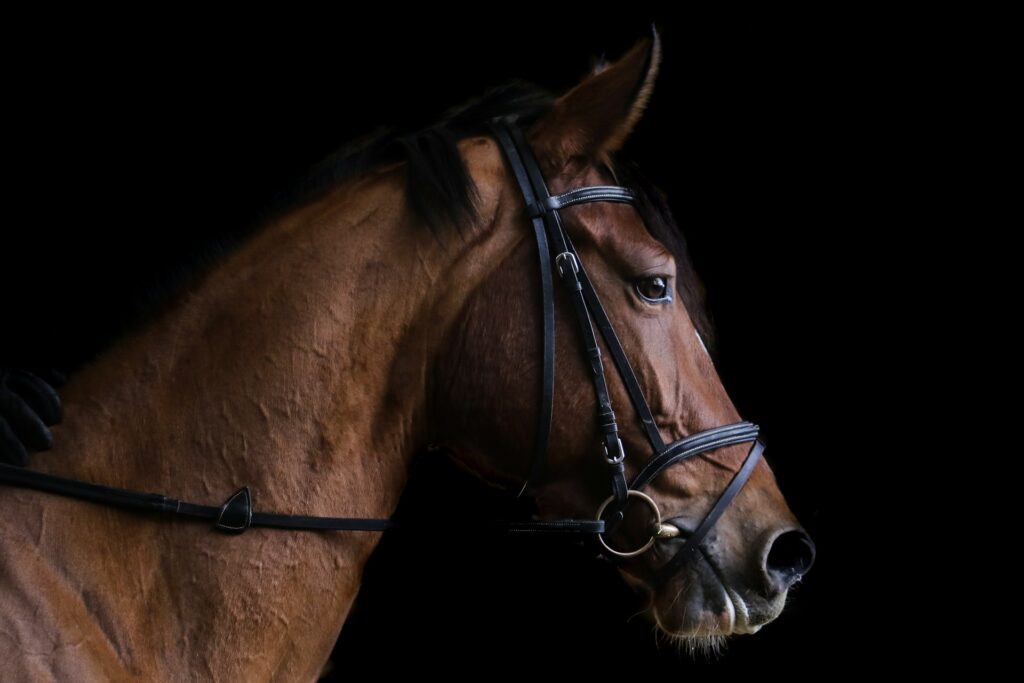
Can you pet a horse, try to understand its moods, get excited by a sudden gallop, and then find part of it at the table, served in a pan? One does not need to take a poll to speculate on the answer. For the majority of Italians, the two attitudes are incompatible. And for many, the bond with horses is one of affection, less frequent-for obvious size reasons-than that which binds millions of people to dogs and cats, but similar.
Interpreting this sentiment is a bill submitted to the House that would ban the slaughter of all equids, recognising them as pets. The text has as its first signatory PD deputy
Essentially a recognition of the time in which we live. A time charged with social tensions as well, with an increasingly large segment of the population pushed back into the area of poverty. But it is a poverty of a structurally different sign from that, long ago, when hunting and slaughtering the animals with which one lived for many was a practice related to survival. Today the survival of those with insufficient income is threatened by junk food: horse meat is more expensive than the average cost of a porterhouse steak. Under these conditions, does it still make sense to kill horses to put them on the table?
And ethics is not the only motivation behind the law. According to an investigation conducted by Animal Equality Italy at an equine slaughterhouse in Emilia Romagna, dozens of horses and donkeys were being slaughtered weekly at the facility under conditions that did not meet animal welfare standards. Investigative material now being examined by judicial authorities.
In addition, there is the problem of illegal slaughter. Many horses that are slaughtered illegally come from the equestrian world, perhaps they had run their last race a few days before they were killed. And in this case there is a risk that the substances used to keep them at peak performance (drugs, therapies, anti-inflammatory or doping treatments) remain inside their bodies and thus end up on the table. This is a risk not to be overlooked given that in Italy the use of horse meat, although declining, remains significant.
The debate promises to be heated because on the one hand there are those who see slaughter as an outdated activity, incompatible with the role that horses have assumed in contemporary social life: not just work or sport animals, but emotional companions, protagonists of assisted therapies, symbols of respect and care. On the other hand, there is still a productive segment that revolves around the use of horse meat.
What is certain is that the legislative pendulum in recent years has swung toward greater severity toward the mistreatment of animals and toward a jurisprudence increasingly oriented toward granting them effective protection. In this context, a ban on horse slaughter would be an additional and symbolically powerful step.