It seems like a compulsion to repeat. For more than half a century, wars revolving around oil and gas have brought the continent’s economy to its knees: ranging from the two energy crises of the 1970s to Ukraine and now Iran. Each time, governments swear that they will stop, that they will free themselves from dependence on fossil fuels. And each time, as soon as the tension eases, they relapse. How many more wars will it take for Europe to learn to be autonomous?
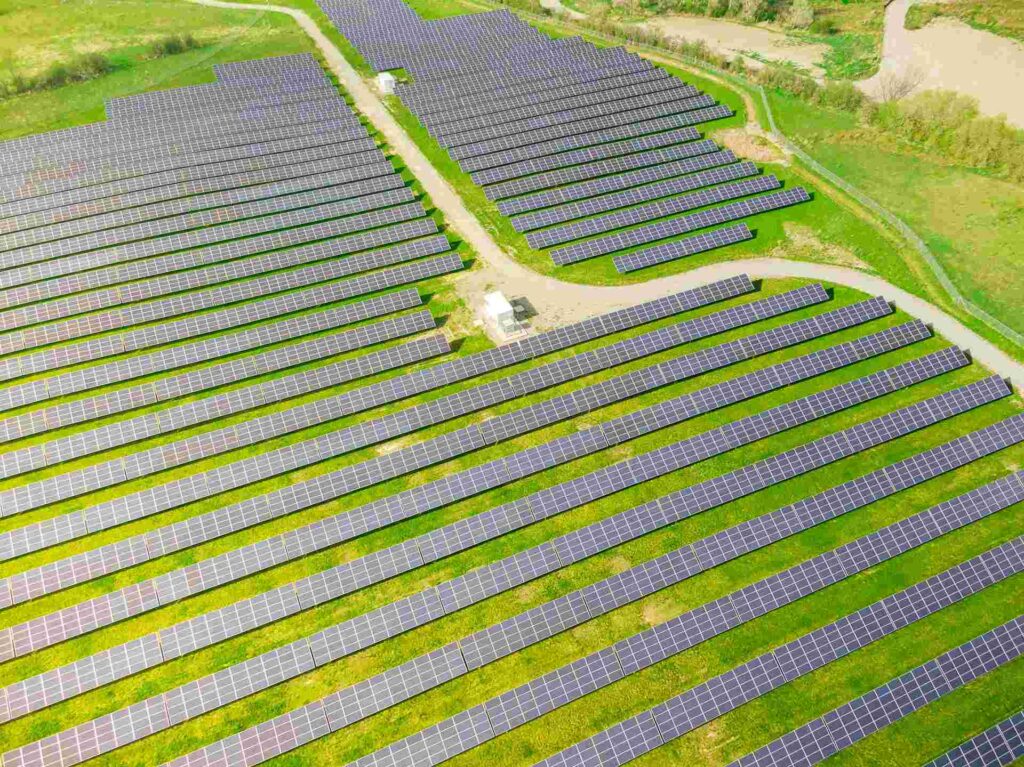
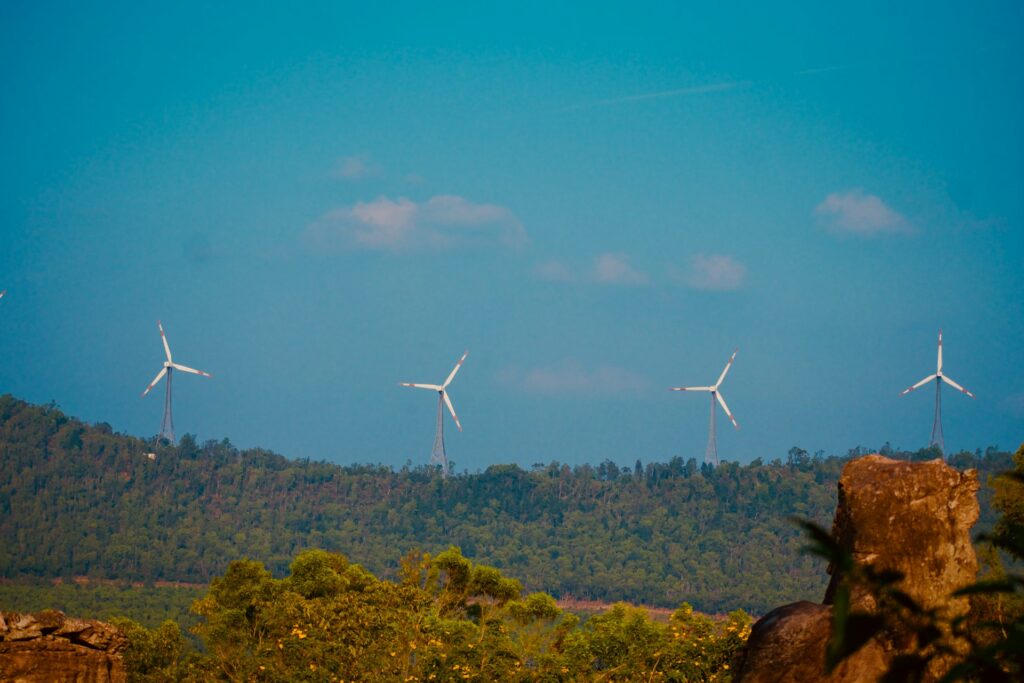
Judging from the past, there is little hope for rapid energy detoxification. But if we look to the future the perspective changes. In 2024, renewables covered about 25.2 percent of the Union’s total energy consumption: this is a far cry from autonomy, but it tells a real trajectory. And in the electricity sector, the signal is even clearer: in 2025 wind and solar together produced about 30 percent of the EU’s electricity, surpassing – albeit slightly – the share of fossil fuels, at around 29 percent. It means the technology is mature and the industrial scale is there.
The problem is turning that overtaking into a structural advantage. Because electricity is only one part of the energy system, and because without adequate grids and storage capacity, the rise of renewables can run up against technical and bureaucratic bottlenecks. If clean energy grows but the grid does not hold up, it is still gas that enters the field, partly because of the inertia of a gridlocked price system. Overcoming the difficulty requires action on several fronts: expanding networks, storage and flexibility; increasing the share of renewables; investing in research; and promoting market offerings that guarantee stable prices over the long term.
Holding back the process are neither technological nor financial difficulties. The problem is an authorization and management system strongly influenced by the vested interests of the fossil industry and the governments that represent it, starting with those of the two nuclear superpowers. The latest hostile act against technological and scientific progress is of recent days, with the White House’s attempt to put a prestigious structure such as the International Energy Agency under protection. At the last ministerial meeting of the International Energy Agency, the final communiqué was not adopted because the United States objected to the explicit reference to the net zero emissions goal. Washington pushed for a text centered on security of supply and market stability, downplaying the weight of the climate transition. The result was a stalemate that signals how deep political tensions now run through the agency’s mandate.
For Europe, there is still a window open, but it is narrow. The EU has already put in black and white a 2030 renewables target of 42.5 percent: it is an ambitious threshold and, for that very reason, useful as an industrial compass. But approaching it requires more than announcements. We need clear timeframes for authorizations and connections, consistent grid plans across countries, investment on storage and flexible demand, and a strategy that extends the perimeter of decarbonization involving transport and housing.
A greener Europe is not just a “more virtuous” Europe, it is a more self-reliant Europe. Every percentage point gained on renewables and efficiency is one less piece of vulnerability to conflict, maritime bottlenecks and raw material blackmail. The war in Iran shows that continuing to rely on fossil fuels is a strategically costly choice. But, numbers in hand, a viable way to reduce that cost exists.