Pollution affects the lungs and heart but, as more and more studies suggest, it can also leave traces in the mind. According to a new briefing from the European Environment Agency (EEA), exposure to various forms of pollution-air, noise and chemical-is associated with an increased risk of mental disorders, including depression, anxiety and schizophrenia.
The paper, published in March 2026, does not yet speak of a definitive cause and effect relationship. But the picture that emerges from the scientific literature is consistent enough that the environment is among the factors to be considered in mental health policies.
The context is not marginal. In Europe today, mental disorders represent a major burden of disease: in 2023 they were the sixth overall cause of loss of healthy life years and the eighth leading cause of death.
The air we breathe
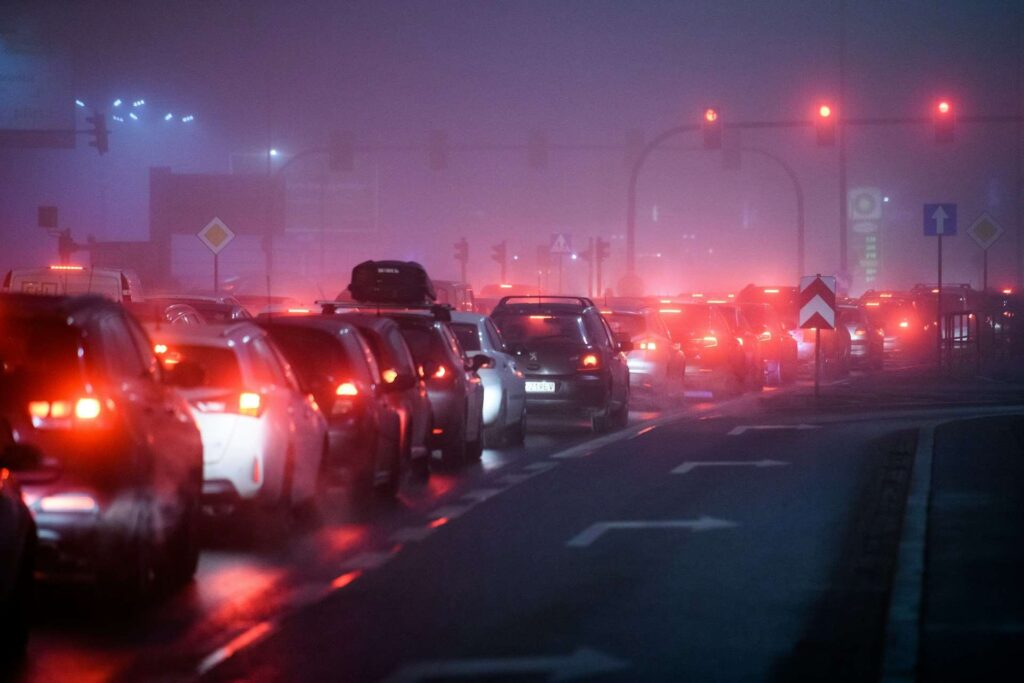
The most studied relationship involves air pollution. Numerous scientific reviews have found associations between prolonged exposure to fine particulate matter (PM2.5) and nitrogen dioxide (NO₂) and an increased likelihood of developing depressive symptoms.
The problem can start very early. Some neurological studies indicate that exposure to smog during sensitive stages of brain development-such as pregnancy, childhood, or early adolescence-is linked to structural and functional changes in the brain.
Acute pollution episodes also appear to have immediate effects: spikes in pollutant concentrations have been associated with worsening symptoms of schizophrenia and, in some cases, anxiety crises or bipolar episodes.
The noise that wears
There is not only smog. Noise from transportation-road, rail or air traffic-is another environmental pressure with possible psychological effects.
A meta-analysis cited in the briefing reports that each 10-decibel increase in road traffic noise is associated with a 3% increase in the risk of depression and 2% increase in anxiety. Aircraft noise shows even stronger correlations: the risk of depression can increase by 12 percent for each equivalent increase.
In children, moreover, chronic exposure to environmental noise is linked to a higher frequency of behavioral problems, which can affect mental well-being in the long run.
The invisible substances
The chapter on chemicals is perhaps the most complex. Heavy metals, pesticides, endocrine disruptors, and secondhand smoke have been associated, with varying levels of evidence, with adverse mental health outcomes.
Among the most studied cases is lead: exposure during pregnancy or childhood has been linked to both depression and schizophrenia in adulthood. Bisphenol A (BPA), a substance found in many plastics, has also been associated in some studies with depressive symptoms and anxiety in children when exposure occurs during pregnancy.
Reduce pollution, improve well-being
The briefing authors point out that mental health arises from a complex web of factors: genetics, social conditions, lifestyle and environment. Pollution is not the only element, but it could contribute to an already fragile picture.
That is why emission reductions envisioned in the European Zero Pollution Plan could produce benefits beyond physical health. Even small improvements in environmental quality, the researchers suggest, could translate into a population-wide reduction in depressive symptoms.
Nature as an ally
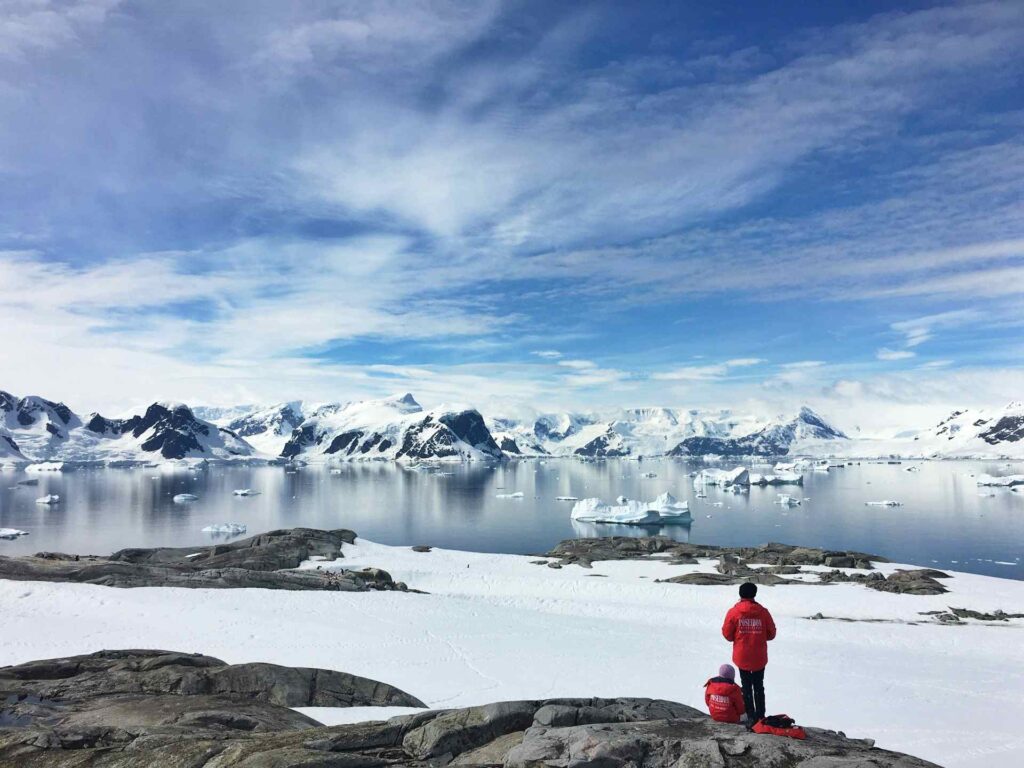
Along with reducing pollution, the report calls out the importance of so-called nature-based solutions. Contact with natural environments — walks in parks, outdoor physical activity, gardening or forest immersion — is associated with reductions in stress, anxiety and depressive symptoms.
In recent years, some health systems have also begun experimenting with “green prescribing”: activities in nature suggested as an adjunct to traditional treatments.
The message that emerges is simple: environment and mental health are not worlds apart. The air we breathe, the noises that surround us, and the substances we live with every day are part of the same ecosystem that, over time, can also affect our psychological balance.