Some people, who came out of the exam with a result below expectations, took it out on anxiety. Or with a question gone wrong. Now another possible defendant enters the picture: pollen. A large study conducted in Finland suggests that pollen exposure on final test days can affect — albeit to a small extent — school performance, with effects most pronounced in science subjects.
The research, published in the Journal of Epidemiology & Community Health, analyzed data from 92,280 students who took the national matriculation exam in the Helsinki and Turku metropolitan areas between 2006 and 2020. A total of 156,059 scores in Finnish, history and social studies, mathematics, physics and chemistry were examined. The researchers cross-referenced the results with daily pollen levels of alder(Alnus) and hazel(Corylus avellana), plants that bloom in Finland right around the time of the spring exams.
Pollen levels, expressed in grains per cubic meter of air, were classified as low (1-10), moderate (10-100) or abundant (over 100). During the period considered, the average daily peak for alder reached 521 grains per cubic meter on an examination day; for hazel 57. The data were supplemented with information on Pm2.5, ozone, nitrogen dioxide, temperature and precipitation.
Itching, tears and disturbed sleep
On days with pollen presence-both at low and high levels-scores were lower than on days without pollen. An increase of 10 alder grains was associated with an average reduction of 0.042 points on a 0-66 scale; for hazel the reduction was 0.17 points. Small effects on the individual student, but statistically significant on a large scale. The impact appeared most pronounced in math subjects, which require sustained accuracy and concentration. For alder, the negative association was significant especially among female students; for hazel, in the math scores of males.
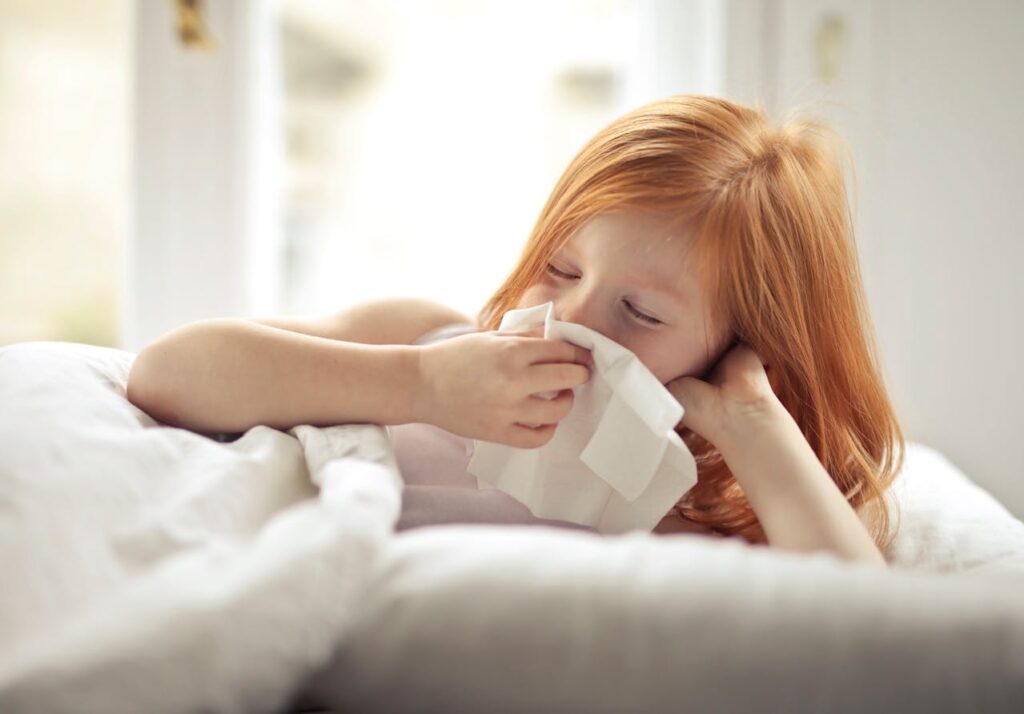
It is no surprise that allergic rhinitis can impair sleep, attention and mood. The symptoms-nasal congestion, itching, tearing-disrupt rest and increase cognitive fatigue. What is new is having measured the effect in a high-stakes setting such as a national exam.
Climate change may amplify exposure
The picture is part of a larger trend. Respiratory allergies are on the rise in many industrialized countries. According to the World Health Organization and the Allergic Rhinitis and its Impact on Asthma (ARIA), allergic rhinitis affects up to 20-30% of the European population. In Italy, estimates speak of millions of people with seasonal symptoms.
Several studies have hypothesized a link between air pollution and increased allergies: particulate matter and nitrogen oxides can alter pollen grains, increase their allergenic potential, and facilitate their penetration into the respiratory tract. A review published in The Lancet Planetary Health found that urban pollution is associated with an increased risk of developing asthma and allergic rhinitis in children. The European Environment Agency also pointed out that climate change, with longer and more intense pollen seasons, can amplify exposure.
At a time when there is much discussion about educational equity, the air you breathe also enters the game. It’s not enough to study: sometimes you even need the alder to keep its pollen at bay.