“The key point is, how long will the war last? If it lasts two, three weeks, thanks in part to the fact that we are heading into summer and gas consumption will drop, the impact can be absorbed by the markets, drawing from reserves. The impact on China, which has large oil and gas reserves and can sustain even a two-month halt, and also the impact on Europe, which has decent reserves with countries like Italy having very good ones, can be relatively contained and be reabsorbed say in a quarter, especially if oil prices will not have exceeded a hundred dollars. But if the war lasts a month or more, it will be a big problem.” Thus Abhi Rajendran nonresident fellow at the Center for Energy Studies at the Baker Institute, which is part of the prestigious Rice University, in Huston, Texas, and director of research at the private firm Energy Intelligence.
Dr. Rajendran, from the perspective of the need to ensure energy security, how serious is the crisis triggered by the conflict in Iran today?
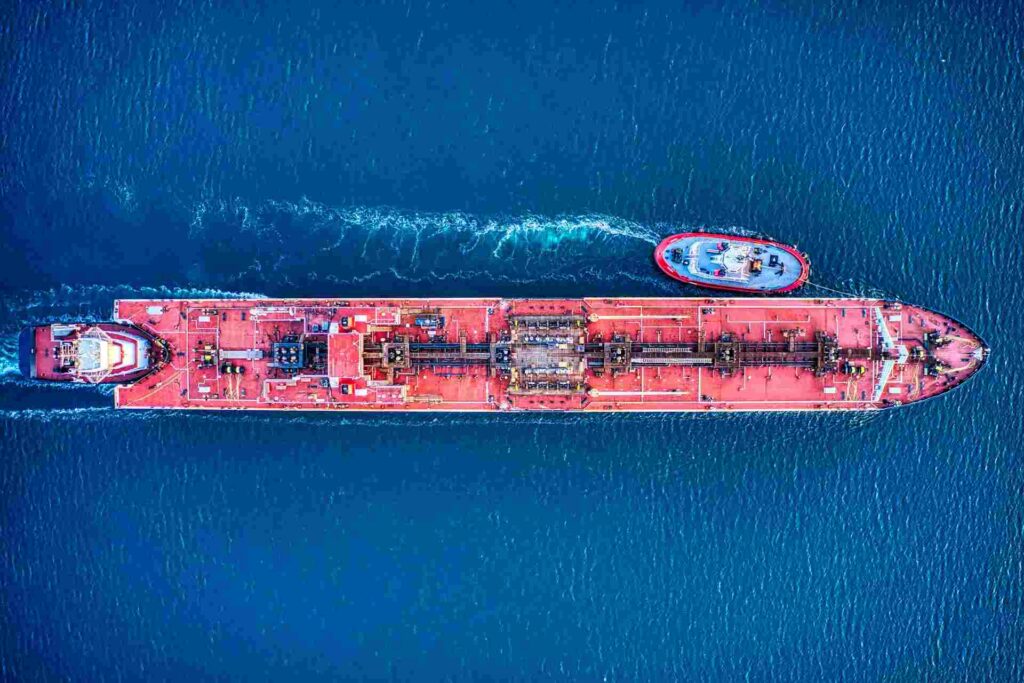
“Although the Strait of Hormuz is not completely closed, we are seeing a drastic reduction in crossings, say over 90 percent. It is clearly a critical sea route for world energy markets, particularly Asian markets, although Europe is particularly interested because of the share of liquefied natural gas (LNG) that comes from Qatar, with 30 percent of the total going right to Europe. Which is important because European countries are trying to buy less and less gas from Russia and are depending on LNG supplies, particularly American and Qatari LNG to be able to fill, or almost fill, the gap. Of course, in the coming years other sources of LNG will come into production, in Africa, Mozambique for example, or Indonesia, and by 2027 there should be plenty on the market. But until then, Hormuz is critical.”
Oil and gas are once again used as a weapon, fossil-consuming countries are exposed to geopolitical risk for the umpteenth time. Wouldn’t it be wise to start a path to get rid in two or three decades of fossil sources, which besides being polluting are politically insecure?
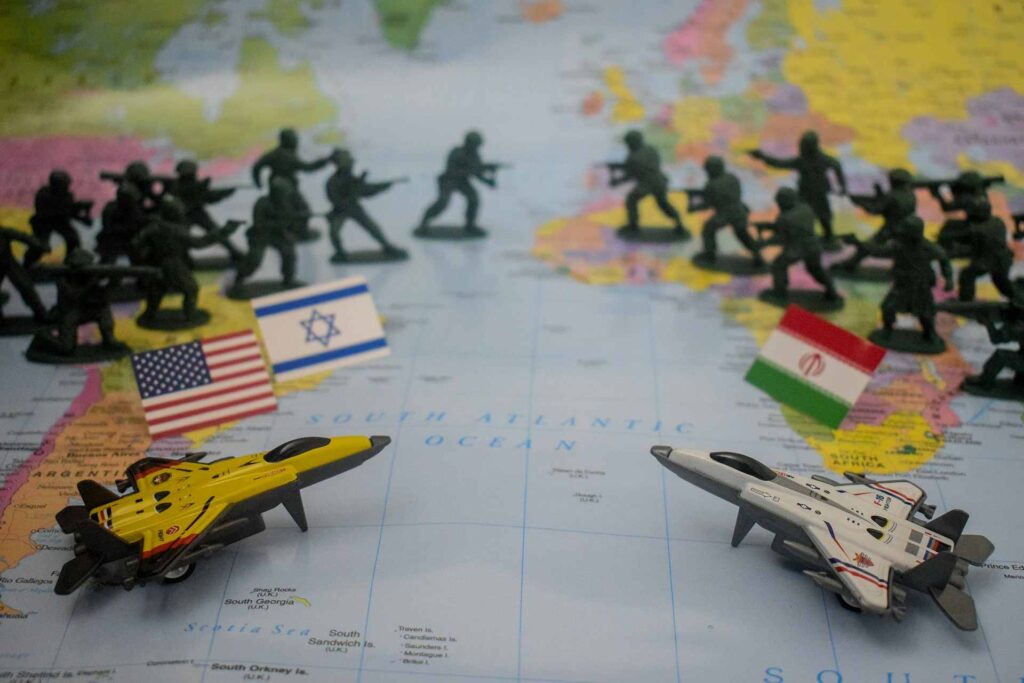
“It would make sense, for countries that do not have oil resources like much of Europe or China, to diversify suppliers in the meantime. You might think: there is an abundant supply of oil and gas in the market, let’s buy the products we need in different geographic areas. But surprises are just around the corner. Four years ago we had the invasion of Ukraine, which meant the West had to do without Russian gas, which was cheap and came to Europe via convenient pipelines. Now we have the war on Iran, which effectively shuts down Hormuz and does away with liquefied petroleum gas from Qatar but also crude and refined petroleum products that were going to Europe and especially Asia. There is always one variable that goes crazy, and unfortunately, it is not possible to rapidly increase production in other countries: the development time, even having a field already identified and ready to be cultivated, is never less than two years. And so, yes, it would make sense to boost renewables and have a share of nuclear as a baseline. After all, it seems to me that the investments in renewables are indicating that utilities have already been doing that for many years. But getting to the point where we no longer suffer from geopolitical risk will take many decades, and fossil sources will remain crucial well beyond mid-century.”
Is diversification from oil and gas, while complex, therefore also a high road to ensuring energy security?
“Yes but with one important caveat: you could also go from bad to worse. And I explain. In order to diversify, some countries like France have turned to nuclear power, others like Spain or yourselves in Italy, to photovoltaics, others in northern Europe to wind power. Good. Everyone has their own resources or at any rate makes their own choices, but beware of the fact that other countries, even large ones like China, India, Indonesia, and among many the Philippines and South Africa, have large coal reserves and may opt to return to this fossil source, which moreover they have never abandoned, and which is much more polluting than gas. So beware that a reduction in gas availability could push some countries to choose a much more polluting source that is already available. It is by no means a foregone conclusion that to meet a crisis in hydrocarbon supply chains we will choose renewables or nuclear power. Also at the window is coal, which still plays an essential role in electricity production in so many countries. And that, by the way, would have a heavy impact on climate-altering emissions.”
How much did the fact that the United States is energy self-sufficient weigh in Trump’s choice to attack Iran?
“President Trump is notoriously decidedly pro-fossil fuel. Let’s say that being energy self-sufficient, with all the oil, gas and coal the country could ever need, was one less brake for him. He was able to act without too much fear of the consequences for energy security. Then, clearly, if the crisis lasts a long time here too, there would be negative effects, for example on imported inflation, but Trump I think is planning to end the war sooner.”