Italian organic continues to run and does so with record numbers. In 2025, the domestic market reached a value of about 5.5 billion euros, registering a 6.2 percent growth over the previous year. A pace significantly higher than that of the entire agri-food sector, which confirms how organic has become an important component of the Italian food system.
More than 2.5 million hectares
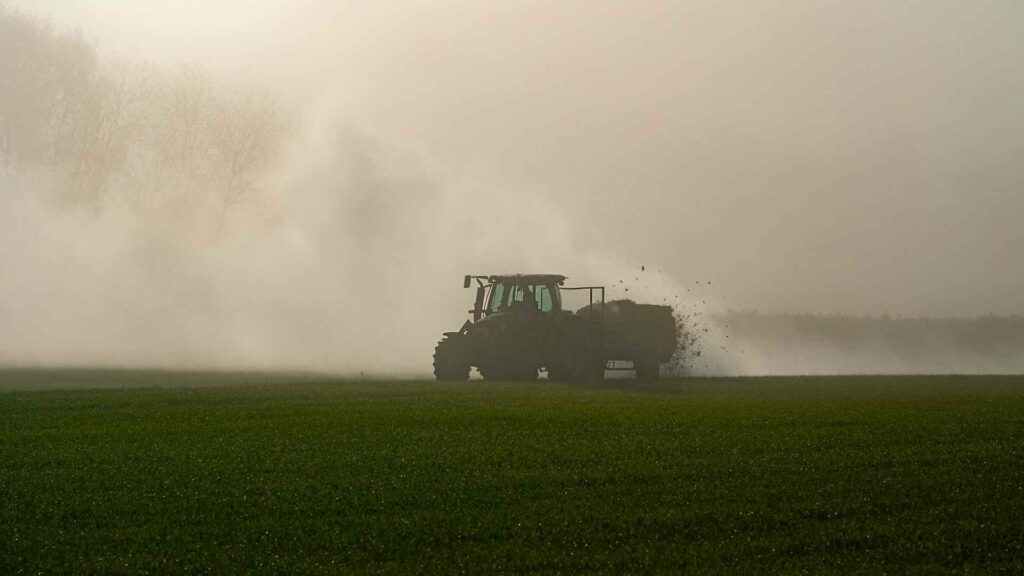
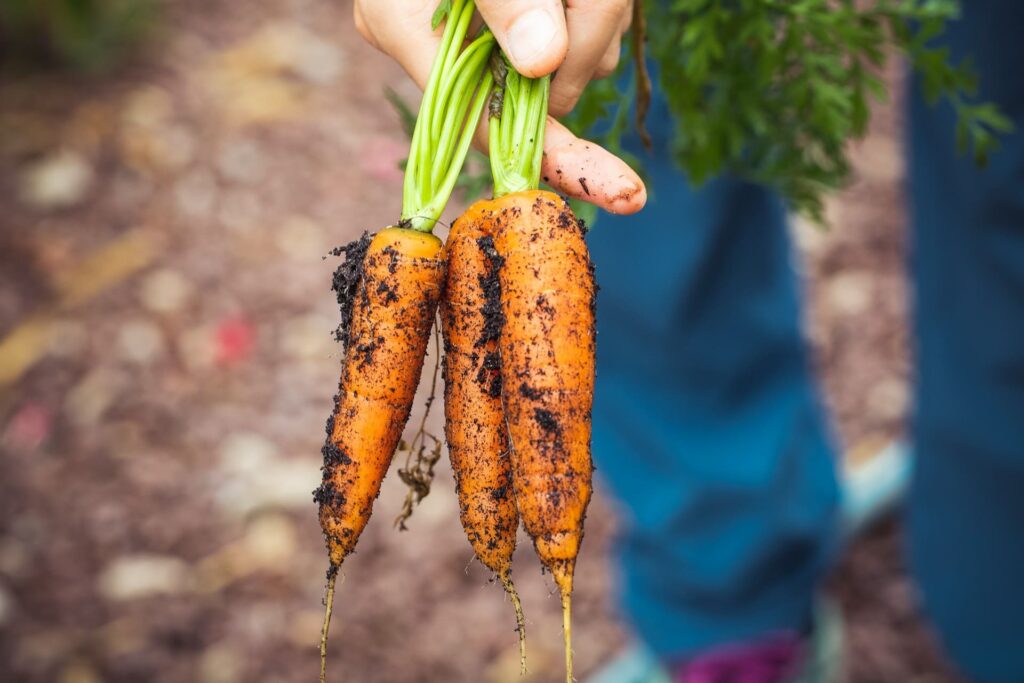
Supporting this expansion is a now solid production base. Italy can count on more than 2.5 million hectares cultivated according to the organic method, more than a fifth of the national agricultural area. A share that places our country at the top in Europe and that tells of a profound transformation in agriculture, increasingly oriented toward practices that protect soil, biodiversity and production quality.
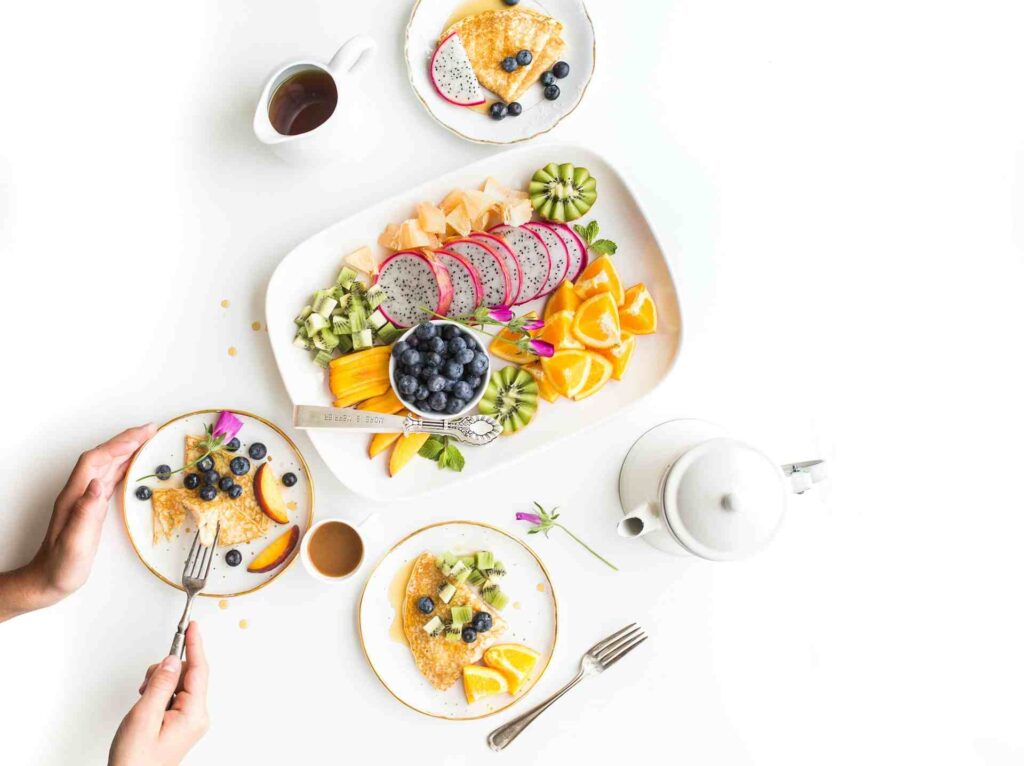
On the consumption front, large-scale distribution remains the main purchasing channel, with volumes growing steadily. Organic food is now firmly present on supermarket shelves, while the offer of processed products, beverages and ready-made references that intercept new lifestyles and eating habits continues to expand. Alongside this, out-of-home consumption-between restaurants, canteens and catering-is an increasingly relevant lever, helping to spread organic even among those who do not explicitly seek it out.
Nearly 4 billion in exports
Another key element is represented by exports. Organic Made in Italy continues to strengthen its presence in international markets, where quality, traceability and connection with territories are increasingly appreciated factors. Sales abroad have reached values close to 4 billion euros, confirming organic as one of the advanced peaks of Italian agrifood in the world.
“Today, organic is not just a consumer choice, but a pact of trust between farmers, businesses, restaurants and citizens,” comments Maria Grazia Mammuccini, president of FederBio. “It combines tradition and innovation to build a fairer and more sustainable tomorrow, proposing itself as a model of development for the entire Italian agrifood sector.” It is a vision that emphasizes how organic is not just about what lands on your plate, but about the way supply chains are organized, territories are enhanced and value is redistributed along the production chain.
However, it remains an open challenge. Despite growth, organic still accounts for a minority share of overall consumption and must contend with price, accessibility and communication. The game is now played on the ability to bring organic closer and closer to the everyday lives of citizens.
Thus, 2025 confirms a positive and mature trend: Italian organic grows, diversifies and strengthens its credibility. The challenge in the coming years will be to transform this growth into a structural change, capable of holding together environmental sustainability, economic soundness and consumer confidence.