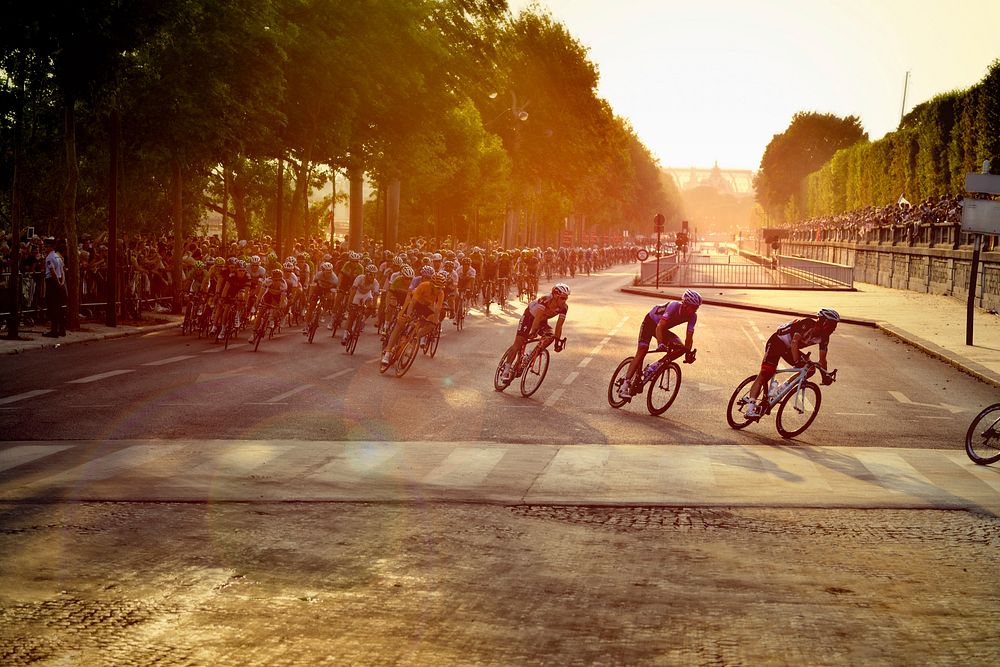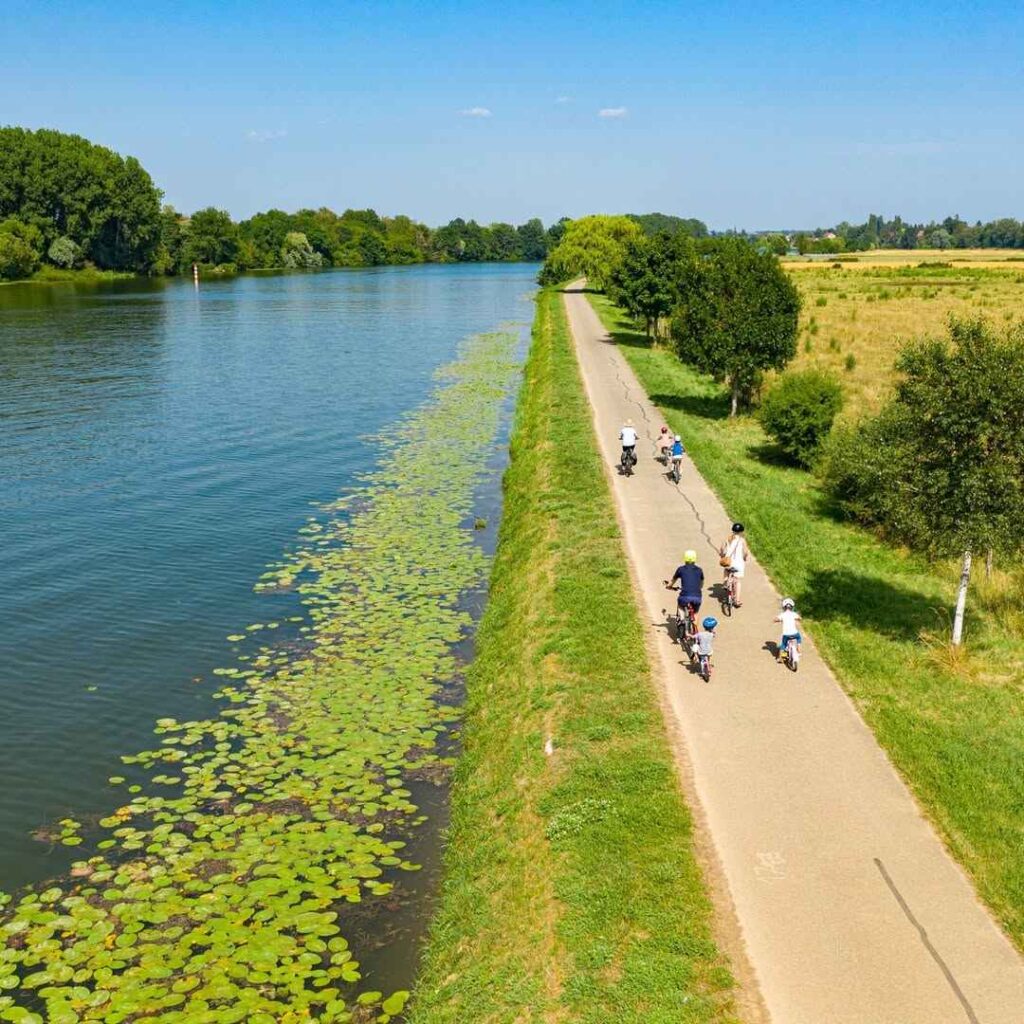
Cycling today is about choice. Choosing more human times, authentic landscapes, encounters that are not consumed in a click. And to choose, increasingly, a different way to travel. Into this scenario comes the Voie Bleue, 700 kilometers of river cycleway linking the border with Luxembourg to Lyon, recently crowned“European Cycle Route of the Year 2026.”
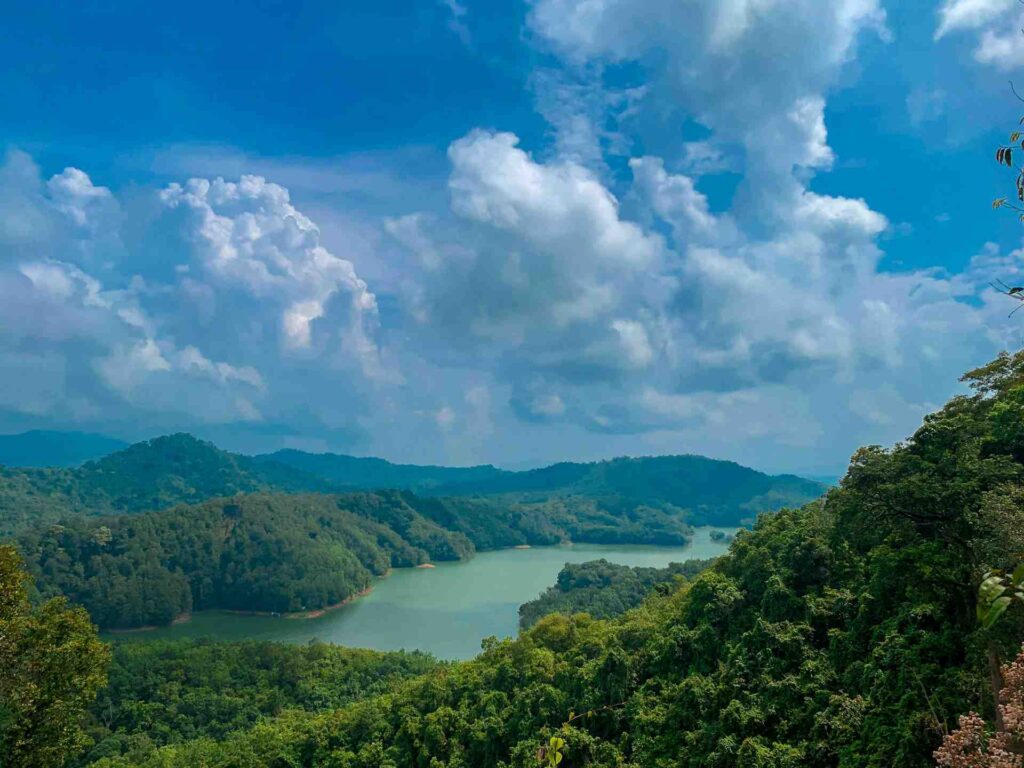
The route follows the course of the Moselle, the Canal des Vosges and the Saône, drawing a continuous line between villages, vineyards and historic towns. A journey that, as the prize jury wrote,“shows France at its best,” alternating between large cultural centers and long stretches immersed in silence.
An infrastructure designed for everyone
One of the secrets of the Voie Bleue is its accessibility. About 80 percent of the route runs on dedicated bike paths, away from traffic, often carved out of old towpaths and greenways. The profile is almost entirely flat and the signage is continuous-a combination that makes the route suitable even for those taking on a multi-day bicycle trip for the first time.
Here, bicycle touring stops being a sports niche and becomes a widespread experience. Families, solo travelers, the over-60s, and groups of friends find equal space, with services tailored to their needs: refreshment stops, repair stations, bike-friendly accommodations, and rail connections for modular stages.
Cities of art, vineyards and villages to discover
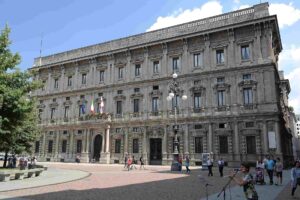
The route touches places that alone are worth the trip. Metz and Nancy are two examples of how the bicycle can become the key to access urban heritages often choked by traffic. In Nancy, the scenic Place Stanislas, a Unesco heritage site, is reached by pedaling through tree-lined avenues; in Metz, the Gothic cathedral is reflected in the Moselle, offering one of the most striking views of the entire route.
As you descend south, the landscape changes: the hills of Burgundy open up to historic vineyards, local markets, and wineries that invite you to slow down. Four major Aoc wine-growing areas dot the route, turning each stop into a tale of terroir.
Slow tourism
La Voie Bleue is a laboratory for sustainable tourism. Flows are distributed along hundreds of kilometers, reducing pressure on the most crowded centers and bringing economic value to often marginal rural areas. Every village becomes a stopover, every bar a small trading station, every market a meeting point.
Here the bicycle is an engine of regeneration. It incentivizes soft mobility, reduces emissions, creates new hospitality-related professions. And, above all, it restores meaning to travel: a continuous web of experiences.
Arriving in Lyon, after days of pedaling along the water, means closing a circle. France’s gastronomic capital welcomes cyclists with its Renaissance streets and traboules (covered walkways, typical of Lyon), but also with a clear message: the future of European tourism passes through here.