Malaysia has ended its involvement in the global e-waste stream. As of Feb. 4, the importation of e-waste was placed under the “total ban” category of the 2023 Customs Ordinance, making all entry of this type of waste into the country illegal. The measure went into effect immediately and marks a step change from the past, when administrative exemptions were still possible.
The decision was made by the special task force coordinating enforcement of waste import regulations, chaired by Malaysian Anti-Corruption Commission (MACC) chief Tan Sri Azam Baki. The Department of Environment was instructed to take action to formally update customs procedures.
End of waivers
Previously, e-waste fell into a category that allowed exceptions, leaving room for discretion to the relevant authorities. With the new classification, these spaces are eliminated. “E-waste is no longer allowed,” said Azam Baki, stressing the need for coordinated and strict action among all agencies involved, as reported in the Malay Mail.
Alongside the ban, the establishment of a special committee was announced to strengthen operational controls, particularly at the country’s main entry points. The group will be headed by the Border Protection Agency’s control officer at Port Klang, one of the region’s busiest ports.
An environmental and health problem
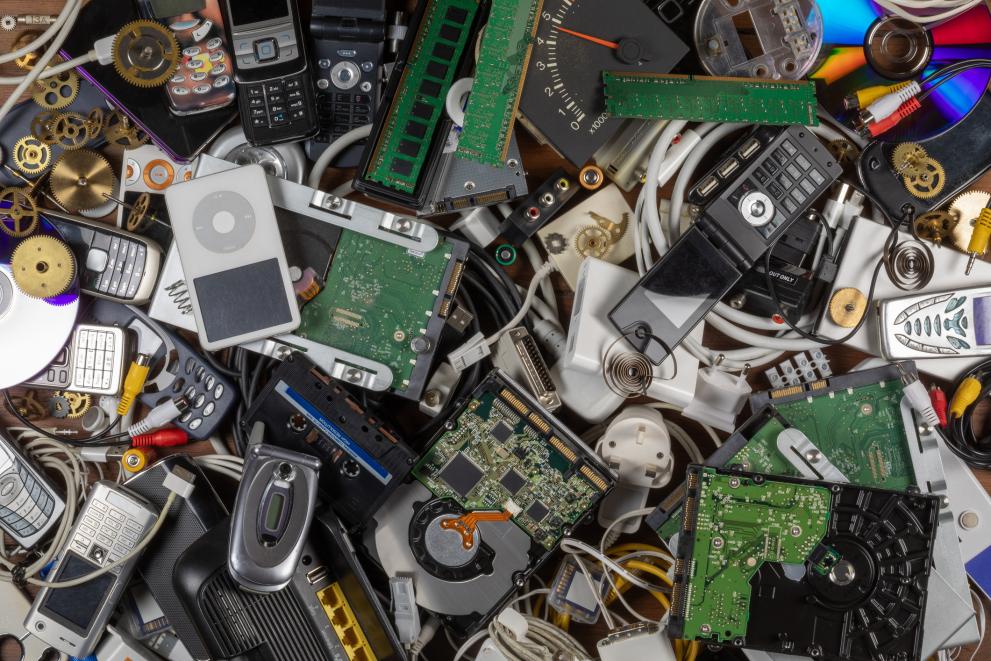
The clampdown comes after years of seizures and investigations. Malaysian authorities have intercepted hundreds of suspect containers, often containing electronic waste that is difficult to recycle and potentially dangerous. In fact, discarded computers, phones and equipment can contain lead, mercury and cadmium, substances that contaminate soil and groundwater if handled without proper safeguards.
Environmentalists have long called for structural action, denouncing the risks to local communities and the environment. The issue became even more sensitive after the emergence of alleged corruption related to e-waste management, which led to the arrest of senior officials of the Department of the Environment.
Not a global dumping ground
The government reiterated that Malaysia no longer intends to accept waste from abroad in the name of short-term economic interests. In a message released on social media, the Ministry of Home Affairs said the country “is not a dumping ground for the world’s waste,” linking the fight against e-waste to national security as well.
The dossier on plastic waste imports remains open, for which a possible temporary moratorium is under consideration. Meanwhile, the total ban on e-waste represents a clear stance: e-waste management will have to take place within the national borders of those who produce it, without offloading environmental and health costs elsewhere.