The rise of carbon dioxide in the atmosphere is not only changing the climate, but also what reaches our plates. An increasingly robust strand of scientific studies shows that
The paradox of food that nourishes less
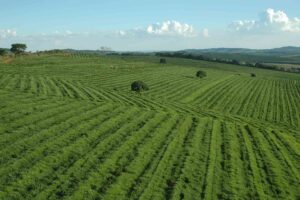
When plants grow in a more CO₂-laden atmosphere, they tend to produce more carbohydrates. This can result in
In practice, food provides energy, but fewer “building blocks” essential for the body to function. This is the conclusion reached by a recent meta-analysis published in the journal Global Change Biology, based on tens of thousands of experimental measurements on food crops exposed to different levels of CO₂.
It’s not just a matter of dilution
For years it was thought that nutrient loss was simply a dilution effect, related to increasing plant biomass. Today a more complex picture emerges. The chemical composition of plants changes: the share of sugars and starches increases, whilst the uptake or accumulation of some minerals and proteins decreases.
In some cases, in addition to the loss of useful nutrients, there is also a relative increase in undesirable substances, an aspect that opens questions about food security, especially in the most vulnerable areas of the Planet.
A global problem, not a future one
The effects on food quality are not a theoretical threat, but a process that is already underway and will strengthen if emissions continue to rise. The most serious consequences could occur in countries where grains and legumes form the basis of the daily diet, but no region is really excluded. Even in the most diverse food systems, a gradual reduction in the nutritional quality of foods can have cumulative effects on health.
Less iron and zinc mean more fragile immune systems, increased risk of anaemia, problems in cognitive development, and increased exposure to disease, particularly for children and women of childbearing age.
Another face of climate change
This scenario adds an important piece to the climate debate. Global warming is not just about record temperatures, droughts or extreme events. It is also about