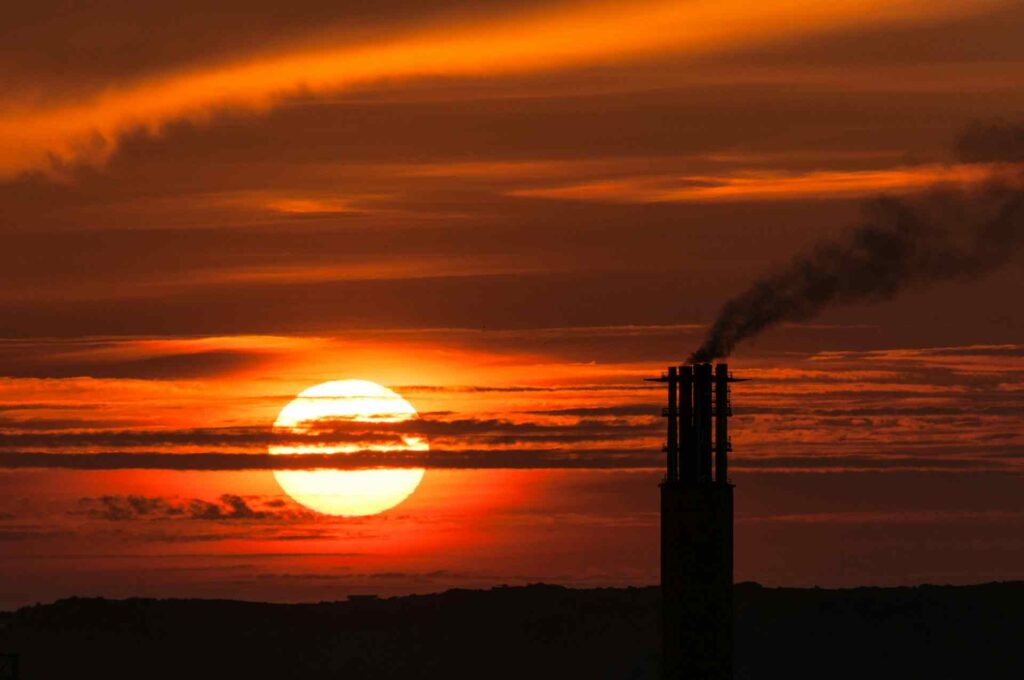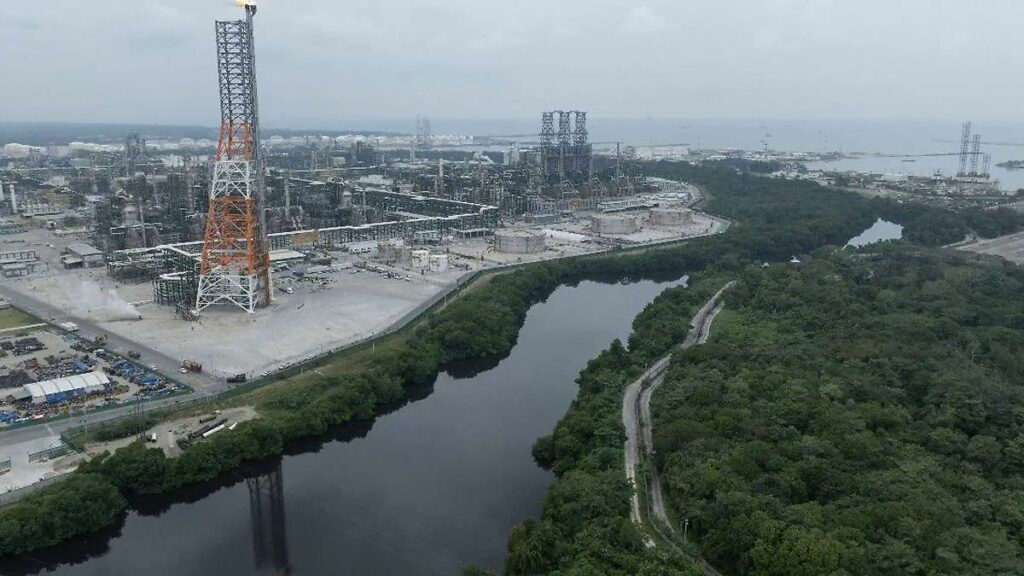
At dawn on March 17, a blaze ripped through the sky above Puerto Ceiba, in the Mexican state of Tabasco, as yet another episode in an environmental crisis unfolds along the coast of the Gulf of Mexico. At the center is the Olmeca refinery of the state-owned company Petróleos Mexicanos, a symbol of the national energy strategy and, increasingly, a source of concern for those who live and work in the surrounding areas.
Video revela explosión en refinería Olmeca: no fue rayo. Hay muertos. #RefineríaOlmeca #Tabasco #ÚltimaHora pic.twitter.com/rzkwIcmMRU
— Rotativo de México (@rotativodemex) March 19, 2026
According to official reports, the fire was reportedly caused by hydrocarbon-contaminated water leaking from the plant and ignited by the passage of a vehicle. The death toll is five. But the most extensive damage is that caused by 549 cubic meters of leaked fossil fuels and a network of waterways that threatens to transport pollutants to the Mecoacán Lagoon, one of the region’s most delicate ecosystems.
Ecosystems under pressure
The containment barriers installed along the Rio Seco are an emergency response, not a structural solution. Biologists and local observers warn that currents could still carry oil residue to the lagoon, compromising crucial fisheries and biodiversity habitats. In previous weeks, other spills had already hit the coast between Tabasco and Veracruz, with tangible effects on wildlife: sea turtles, dolphins and manatees found dead or contaminated.
⚠️🛢️ Ambientalistas alertan que derrame de petróleo en el Golfo de México podría afectar cientos de kilómetros del litoral
— Político MX (@politicomx) March 24, 2026
👉🏽 https://t.co/cZvUeAyvJX
El domingo 22 de marzo de 2026 se registró un nuevo derrame de hidrocarburos en las cercanías de la refinería Olmeca en Dos… pic.twitter.com/Xur0OUQVKY
Mangroves, often considered a natural barrier against erosion and a reservoir of biodiversity, are also affected. Protected species such as the blue crab live here and migratory birds pass through.
Local economy between need and risk
For coastal communities, the environmental crisis is intertwined with the economic crisis. Fishermen in the area, despite the risk of contamination, continue to sell their catch in the run-up to the Easter holidays. A forced rather than voluntary choice: stopping would mean losing their only source of income.
This dynamic highlights a structural tension: economic dependence on activities vulnerable to environmental impacts and the absence of adequate safety nets. In the absence of offsets or alternatives, health and environmental risk is effectively transferred to communities.
A strategic project in trouble
The Olmeca refinery, with a stated capacity of 340,000 barrels per day, is one of the pillars of Mexico’s energy policy, designed to reduce dependence on imports, especially from the United States. However, the project has experienced delays, higher-than-expected costs and lower-than-targeted production.
The recent incidents fit into this context: not isolated incidents, but signs of critical operational and management issues. Environmental authorities also do not yet have a complete estimate of the areas contaminated by the latest spills, a sign of still partial management of the emergency.
Between development and responsibility
The case of Tabasco raises a broader question: what price is acceptable for energy self-sufficiency? The strategy of strengthening domestic refining clashes with the reality of complex infrastructure, vulnerable territories and control systems that struggle to keep up.
In the Gulf of Mexico, oil continues to flow into industrial pipelines and also into rivers, lagoons and, indirectly, local economies. The challenge now is to integrate development and environmental protection without leaving behind those who live on the line between industry and nature.