Italy that walks is also Italy that resists depopulation, reopens stores, and keeps essential services alive. This is one of the common threads of the new law on walking routes, just approved in the House and now awaiting final passage in the Senate, which aims to give a national framework to a network of cultural, naturalistic and religious itineraries that are already popular but so far fragmented.
The political point is clear: hiking trails are not just paths, but light infrastructure capable of bringing tourist flows where mass tourism does not reach. And here the fit with small municipalities is almost automatic.
According to estimates by the Demoskopika institute, tourist municipalities under 5,000 inhabitants could exceed 21 million arrivals and touch 80 million presences in 2026, with a stable average stay of around 3.7 days. Numbers that are far from marginal, considering that a handful of large Italian cities concentrate similar volumes, but with significantly higher environmental and social costs.
A common direction
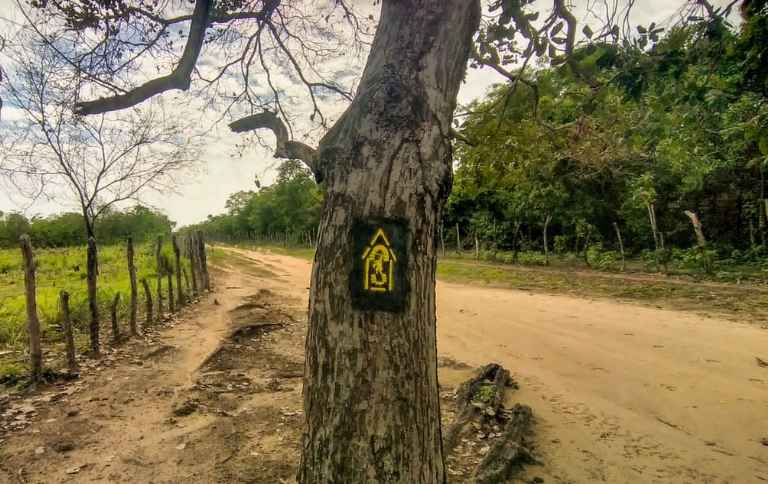
Against this backdrop, the Walks Law tries to do what has been lacking so far: bring order. National database, quality standards, coordination between state and regions, promotion even abroad. A common direction to enhance what already exists. Because the problem of Italian paths is not the absence of supply, but the lack of homogeneity: signage that changes from one territory to another, discontinuous levels of reception, information that is often difficult to find.
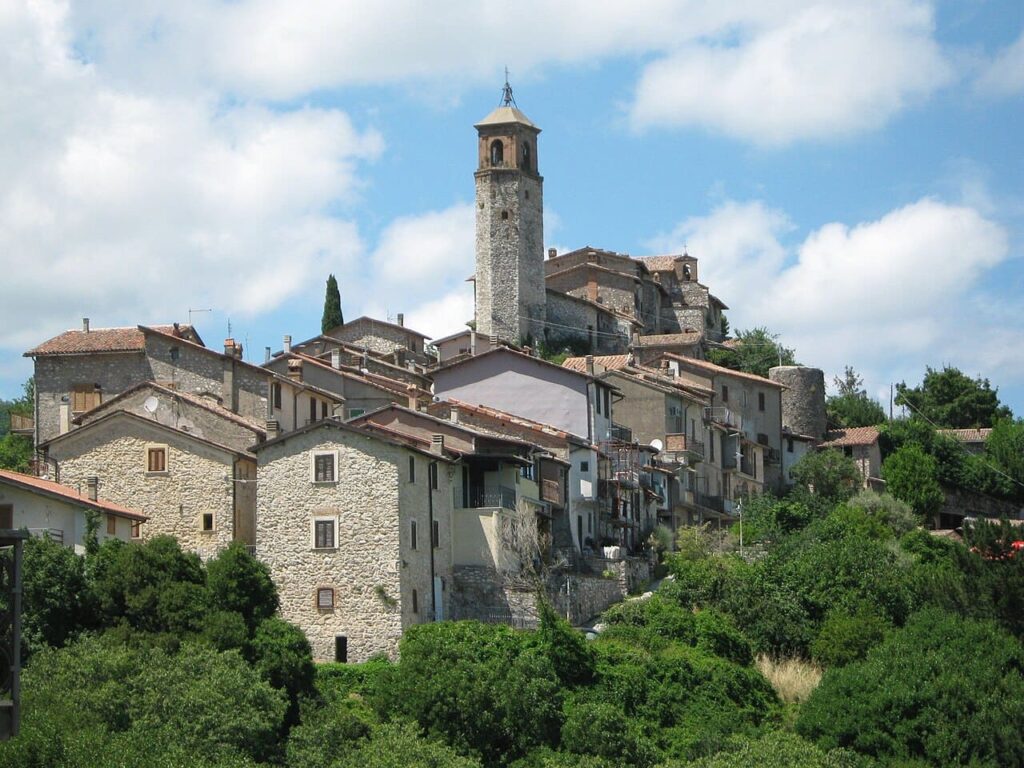
The link with small municipalities is strategic. Today more than 2,600 local tourism-oriented realities concentrate more than 14 percent of arrivals and more than 15 percent of national presences. It is the so-called “undertourism”: less crowds, more experience, more integration with local communities. A tourism that also spends more: average spending per stay in small municipalities is estimated at around 760 euros, with an overall economic impact that could reach 16 billion euros, about 11 percent of national tourism spending.
Walks intercept this demand perfectly. Walkers, pilgrims, and bicycle tourists are not looking for big iconic attractions, but for inhabited landscapes, living villages, and functioning essential services. Each stage becomes an economic multiplier for accommodations, guides, local producers, artisans. And this is where the law can make a difference: turning a spontaneous flow into a local development policy.
The growth of international flows
Then there is another fact that weighs in: the growth of international flows. In small municipalities, arrivals from abroad could exceed 10 million in 2026, increasing faster than domestic demand. This is a strong signal: smaller Italy is not an afterthought, but an increasingly recognizable tourism product outside the national borders.
The challenge, now, is all in implementation. Because a law alone does not work miracles. It needs targeted investment, local governance, digital services, accessibility, guaranteed minimum transportation. But the direction is the right one: to use the paths as the backbone of a more balanced tourism, capable of relieving pressure on big cities and putting back at the center territories that for years have remained on the margins.
In a country that has made overtourism a structural problem, walking-slowly-might be one of the most concrete answers.