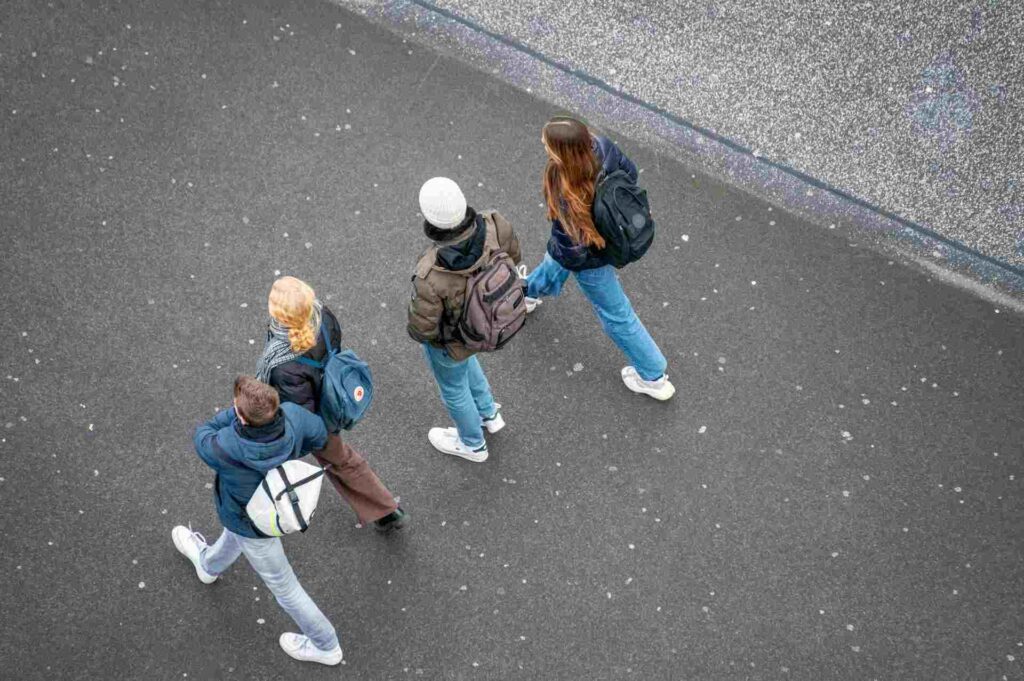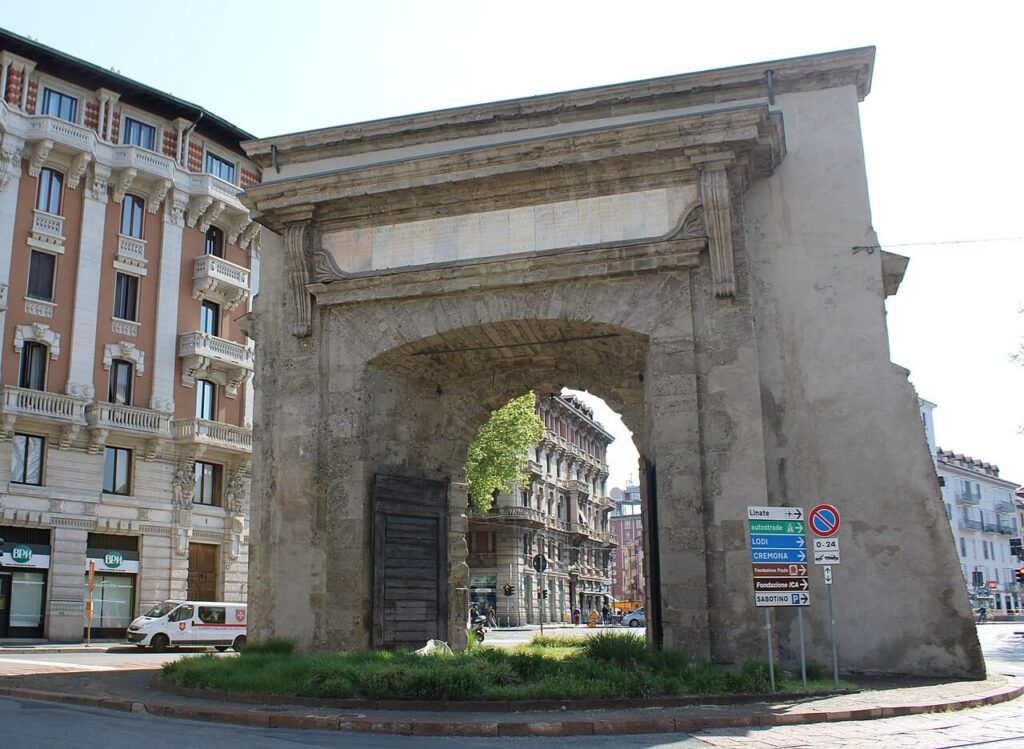
Corso di Porta Romana stops being a boundary line to be crossed quickly and becomes a street designed for walkers. This is the meaning of the interventions launched along one of the city’s historic axes: to make safer, continuous and more accessible an urban stretch crossed every day by residents, students, workers and visitors.
The focus of the project is to increase crosswalks and reduce the architectural barriers that break the path. Along the stretch from Medaglie d’Oro Square toward the center, the distance between crossings is significantly shortened. In practice, walkers are no longer forced into long turns or risky maneuvers between cars to get from one side of the street to the other. The new crosswalks bring the total to 16 crosswalks, significantly shortening the distances: on average, they go from more than 120 meters to about 85 meters between crossings. A change that, in everyday practice, means fewer detours and more safety for those on foot.
The new sidewalks
Alongside the crosswalks come 14 slides between the sidewalk and roadway, designed to provide continuity for people with disabilities, the elderly, and families with strollers. At 13 intersections, sidewalks are being widened and realigned: less space for erratic parking, better mutual visibility between pedestrians and motorists, and shorter crossings. In other words, less stress and less risk.
Another key element is raised crossings. Not only do they help walkers, but they also function as a natural brake on the speed of cars, especially at sensitive points such as turns and intersections. It is a choice that goes in the direction of a city where road safety does not rely on signs, but on the shape of the road itself.
The sum of many choices
The intervention is part of a broader vision of redevelopment of public space: not a grand spectacular work, but a series of punctual modifications that, when added together, change the daily experience of the neighborhood. Porta Romana, historically a place of passage, thus becomes a more legible and livable environment, where getting around on foot is not a tolerated exception but a natural choice.
Work is proceeding in phases, with targeted construction sites to limit disruption and gradually accompany change. The expected result is a street that is less hostile, more orderly and, above all, more inclusive. Because true urban modernity, in the end, lies not in the speed with which one traverses a city, but in the ease with which one can experience it step by step.