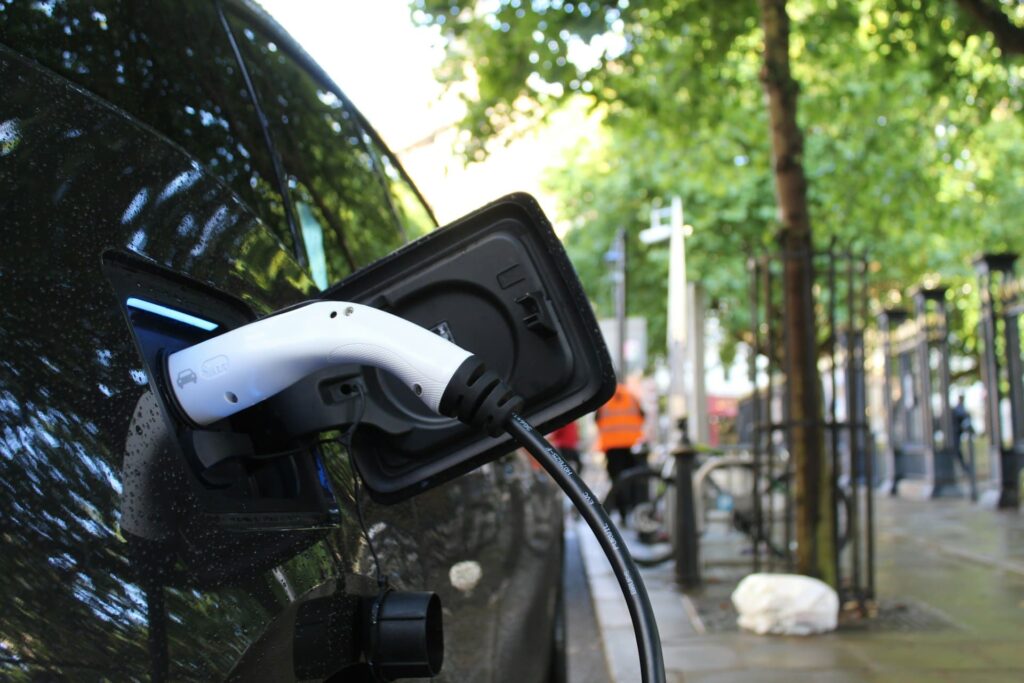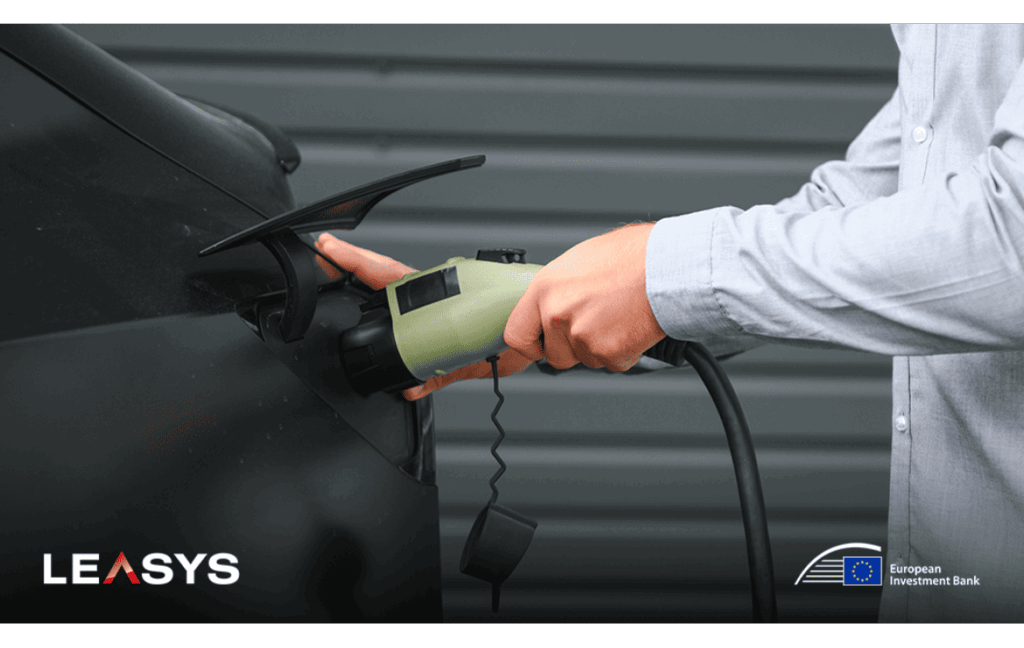
European electric mobility gains another concrete building block. A total investment of 600 million euros aims to bring a fleet of 24,000 electric vehicles to the continent’s roads, strengthening the role of rental and leasing as key levers of the transition. The deal stems from an agreement between Leasys and the European Investment Bank, as part of the Pan-European Clean Fleet Transport project.
The mechanism works like this: €300 million comes from the EIB in the form of a credit line, another €300 million is put on the table by Leasys. The result is a financial mass designed to support the spread of zero-emission vehicles in ten countries, including Italy, France, Germany, Spain and Portugal. An operation that looks mainly at businesses and professionals, but ends up affecting the entire market, because company fleets are one of the fastest channels for renewing the European car fleet.
The expected environmental impact is far from marginal. The performance of the new fleet is estimated to be significantly better than current averages, with a significant reduction in climate-altering emissions, less air pollution in cities, and a noticeable cut in urban noise. Benefits that are concentrated precisely where traffic weighs most heavily on daily quality of life.
Then there is a less visible but strategic effect: support for the European electric mobility industrial supply chain. An operation of this scale means stable demand for vehicles, services, infrastructure, and skills, at a time when the continent’s auto sector is being called upon to reinvent itself under the pressure of the green transition and global competition.
The role of leasing and rental emerges as central. Large companies that manage large fleets and renew them in rapid cycles have a unique ability to push electrification, much faster than the traditional private market. Every electric vehicle that enters a corporate fleet today is bound, in a few years, to re-enter the used car market, helping to lower prices and broaden the pool of those who can afford a zero-emission car.
It is no coincidence that the EIB is strongly targeting this model. For the EU bank, financing electric fleets means acting on a crucial junction of the climate transition: reducing road transport emissions without waiting for change to happen spontaneously. It is a logic of accelerator, not mere accompaniment.
In a Europe still struggling to make the electric car truly accessible to all, operations like this one show a possible way forward: using financial leverage to rapidly grow numbers, create markets, and transform sustainable mobility from promise to normality. Fewer slogans, more electric kilometers driven every day.