There is an island in the Indian Ocean that promises to become the new home for thousands of remote workers in 2026. Sri Lanka has just launched its digital nomad visa, a pass that allows people to live and work in the country for one year, renewable, turning online work into an immersive experience among beaches, wilderness and ancient civilizations.
The measure, first discussed in 2021, now comes to fruition with the stated goal of attracting foreign professionals, stimulating the economy and promoting slower, more conscious tourism. A step change that intercepts a now structural phenomenon: digital nomadism has become a new form of global mobility.
A visa designed for people working anywhere
The new visa is intended for foreign nationals over 18 years of age who work exclusively for companies or clients outside Sri Lanka. A minimum income of $2,000 per month is required, a figure that increases if there are dependents. The annual cost is about 425 euros and allows legal residence in the country, renting a house, opening a bank account and accessing local services.
Applications are submitted online through the Department of Immigration. Among the conditions: a ban on working for local realities and a requirement to refrain from political activities or activities considered “disruptive.” Rules designed to maintain a balance between international openness and protection of the social environment.
The island that combines nature and culture
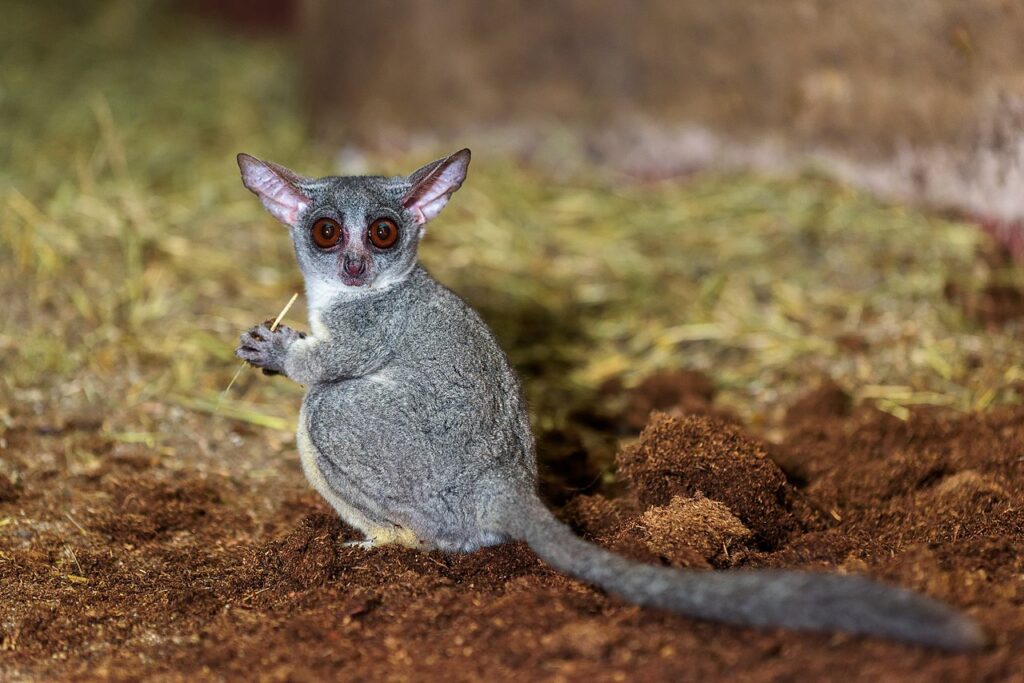
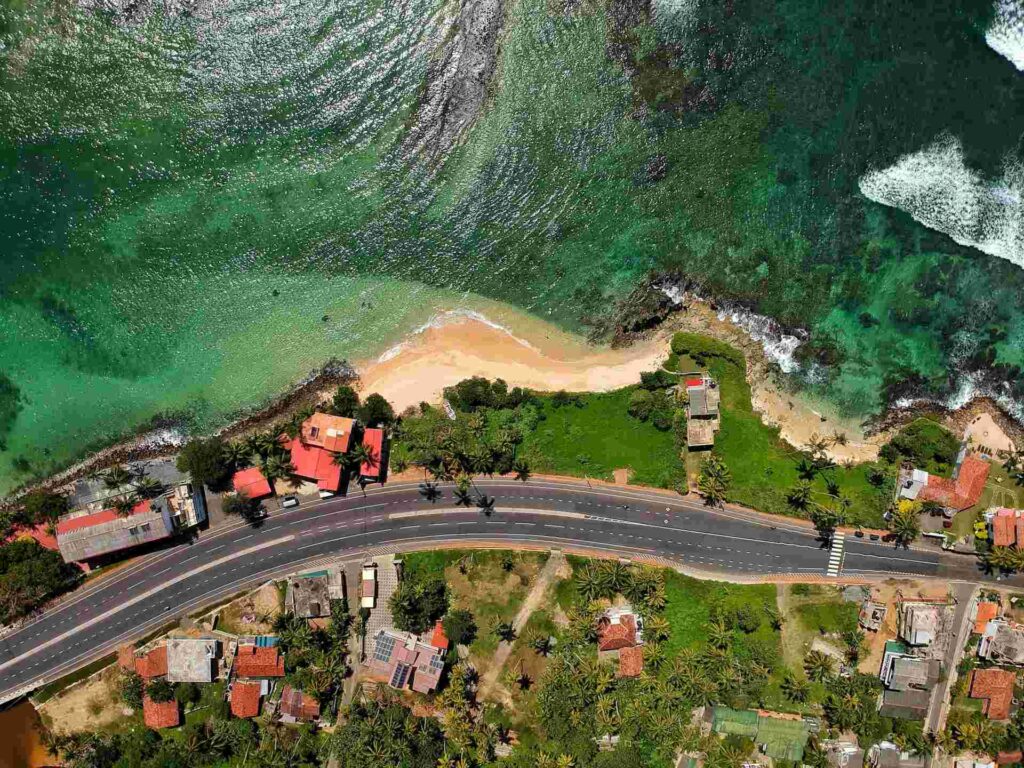
Known as the“Pearl of the Indian Ocean,” Sri Lanka is a synthesis of landscapes and cultures. From the golden beaches of the southern coast to the tea plantations of the highlands, via millennia-old temples, sacred cities and wildlife parks home to elephants, leopards and rare tropical species.
The country has invested heavily in sustainable tourism in recent years, as evidenced by the launch of the Pekoe Trail, a 300-kilometer hiking trail through rural villages and nature reserves. A project by which the Asian country aims to distribute tourist flows and create widespread economic benefits, avoiding concentration in beach resorts alone.
Opportunities and limitations not to be underestimated
The idyllic picture, however, is not without its shadows. The quality of Internet connectivity, a crucial element for those working online, remains a weak point-Sri Lanka is still far from the standards of major digital capitals. A limitation that the government promises to address with new infrastructure investments.
Nevertheless, interest is already high. Living for months in a place that balances low cost of living, nature and a millennial culture is an attractive prospect for freelancers, developers, creatives and consultants.
With this in mind, Sri Lanka is betting on an idea: to offer time, space and beauty to people who can work anywhere. And turn remote work into an engine of sustainable development. A challenge that could reshape the island’s future-and that of many new “temporary” residents.