The deeper we go, the less we know what we are losing. That’s what the depths of the Coral Sea off Queensland, Australia, tell us, where a scientific expedition has unearthed more than 110 new species of fish and invertebrates. A number that is destined to grow: according to researchers, it could exceed 200 once genetic analyses are completed.
The 35-day exploration covered one of the world’s largest marine protected areas, one million square kilometers east of the Great Barrier Reef. Here, between 200 meters and 3 kilometers deep, lies an as yet largely unknown ecosystem.
A laboratory in the depths
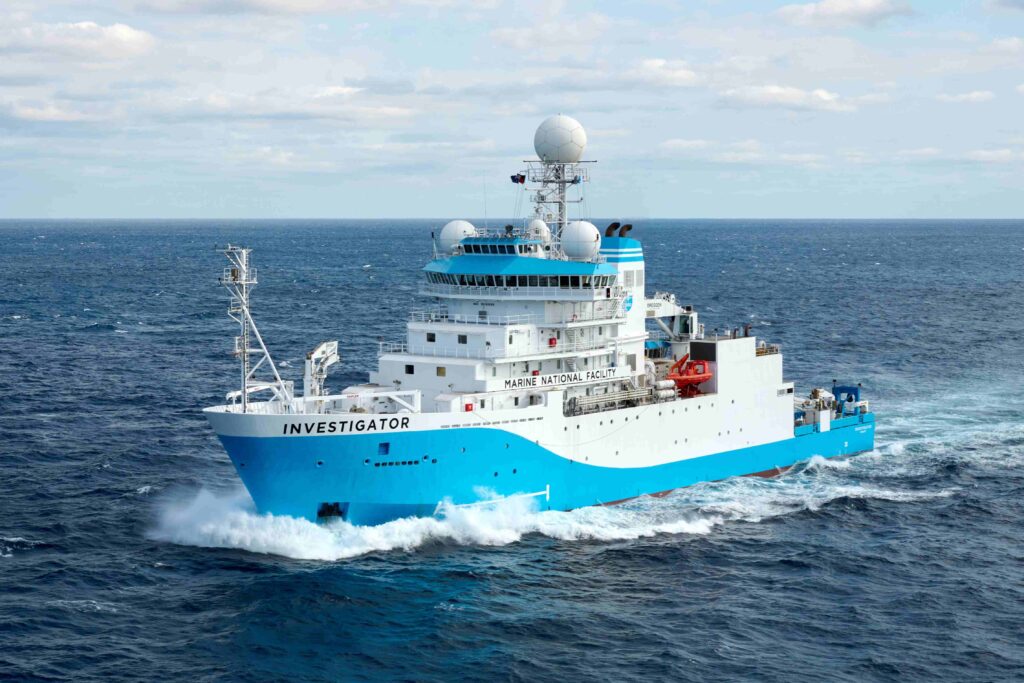
Specimens collected by the Investigator research vessel of CSIRO-the Australian government agency responsible for scientific research-were studied in what scientists describe as one of the largest taxonomic workshops ever organized in Australia. It is work that combines direct observation and genetic analysis, which is especially essential for invertebrates that are more difficult to distinguish with the naked eye.
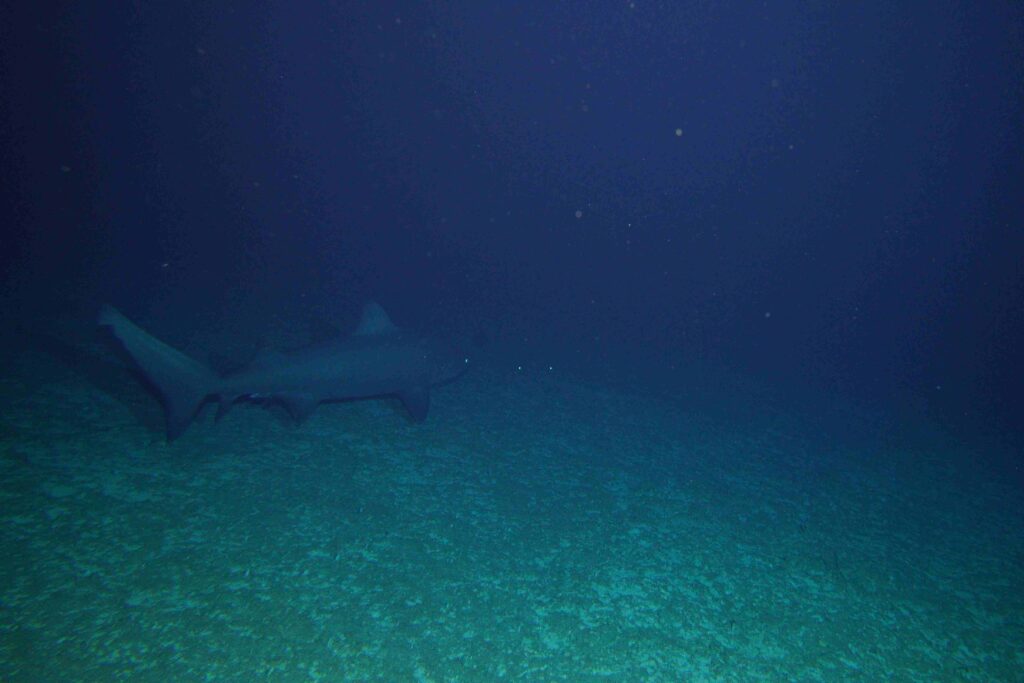
Notable discoveries include new species of rays, a manta ray, a deep-sea catshark, and a chimera, a cartilaginous animal related to sharks and rays. Creatures adapted to extreme conditions and exhibiting dark bodies, slow movements, and minimal anatomical structures.
Invisible Biodiversity
Alongside fish, an equally rich universe of invertebrates: starfish-like ophiurans, anemones, sponges and crabs. Organisms often overlooked, but critical to the balance of ecosystems. Some anemones identified may represent entirely new species, a fact that confirms how little is known about deep biodiversity.
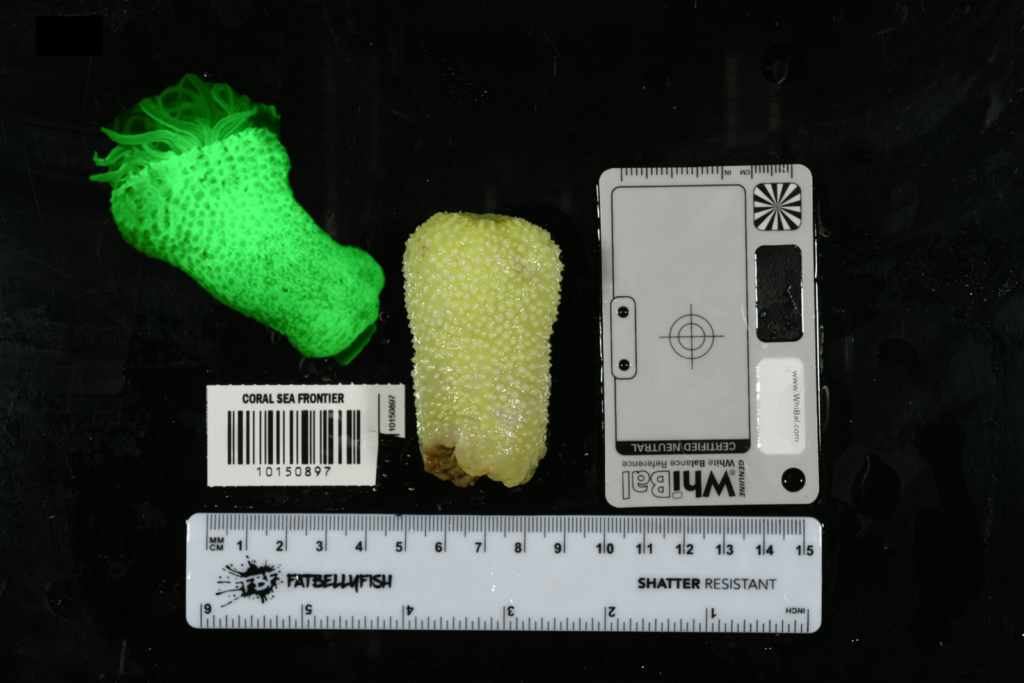
The critical point is precisely this: discovery is the norm when exploring as-yet unstudied environments. The deep remains one of the Planet’s last biological frontiers.
Knowing before it is late
The scientific value of these missions is intertwined with a growing environmental urgency. The Coral Sea, like many other ocean areas, is changing rapidly. Surface temperatures are now at the highest levels ever recorded, about half a degree higher than a few decades ago.
Added to this are direct pressures: intensive fishing, deep-sea mining projects, indirect impacts of climate change. Threats that threaten to affect as-yet undescribed ecosystems.
Scientists insist on a simple principle: you cannot protect what you do not know. Newly discovered species have been distributed among museums and research institutes, where they will remain as a reference for future studies. A biological database that could prove decisive.
The Coral Sea expedition returns a double picture: on the one hand the extraordinary richness of deep sea life, on the other its vulnerability. Each new species identified is a tile added to a still incomplete mosaic.