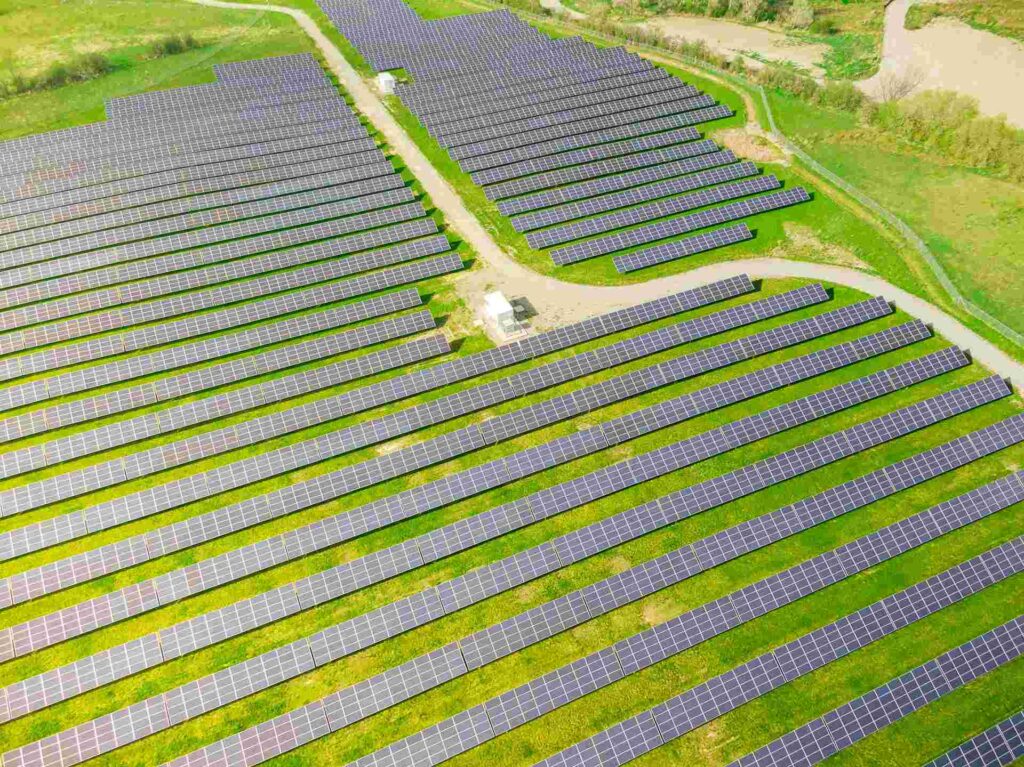
In March, as European gas prices marked the steepest rise in years, a large part of the response came from rooftops and solar fields. In thirty days, solar power saved the European Union more than 3 billion euros in fossil fuel imports. Translated: more than 100 million a day subtracted from the volatility of international markets.
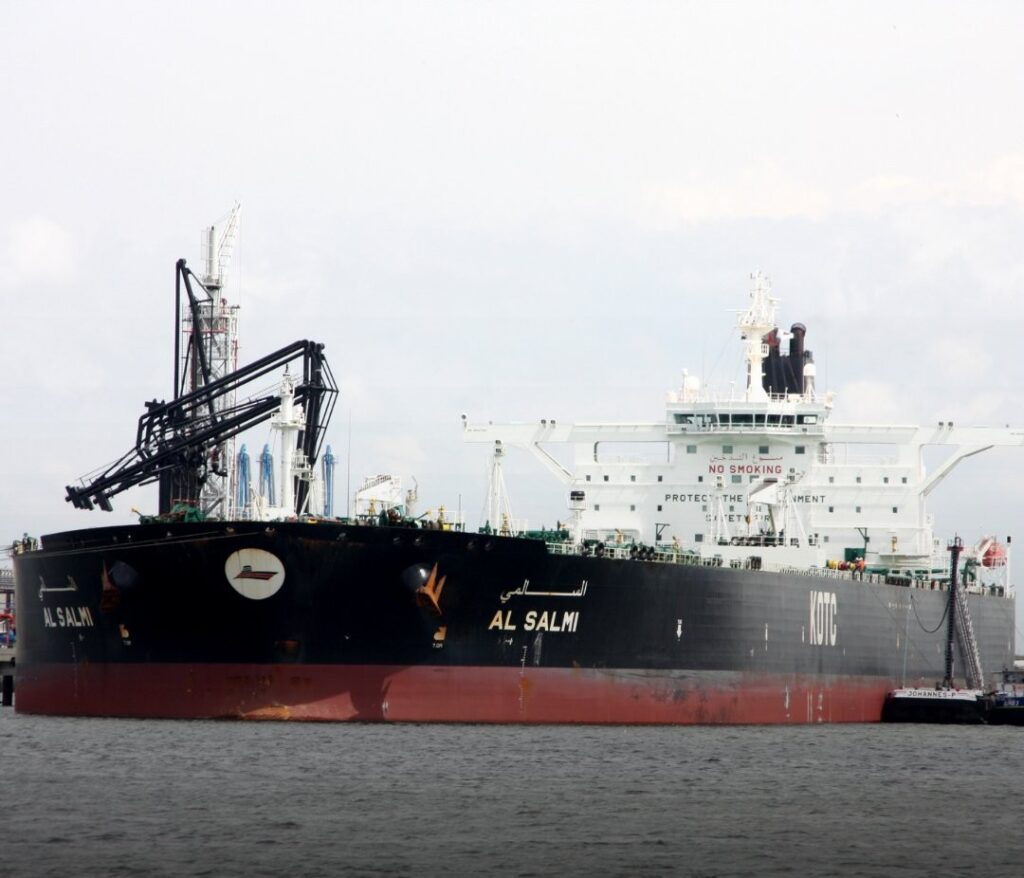
The figure emerges amid high tension. The crisis in the Middle East and the closure of the Strait of Hormuz — through which about one-fifth of global oil passes — have pushed Brent above 100 euros a barrel. Gas, reference TTF, has risen about 70 percent in just a few weeks. In this scenario, every megawatt-hour produced by renewables weighs directly on the final bill.
67.5 billion could be saved in 2026
The workings of the European electricity market explain why solar has such an immediate impact. The wholesale price is set by the most expensive plant needed to meet demand, which is almost always gas-fired. When production from low-cost sources-such as solar and wind-increases, it reduces the hours when gas comes into play: thus lowering the average price.
According to available analyses, in the first 20 days of March, solar reduced the overall cost of electricity needed by the EU by up to a third. It is a structural lever on the pricing system. Projections indicate that if gas prices remain high, total savings in 2026 could reach 67.5 billion euros.
The paradox of slowing growth
Despite these results, the European photovoltaic industry is showing signs of slowing down after years of expansion. A reversal that comes at the most inopportune time. Demand is growing, the economic benefits are clear, but structural obstacles remain: inflexible grids, lack of storage systems, still slow permitting processes.The risk is real: without an acceleration on infrastructure and system integration, installed capacity may not keep pace with energy needs.
Countries that have changed pace
Some member states offer a clear indication of the possible direction. Spain, as of 2019, has added more than 40 gigawatts between wind and solar, reducing the influence of fossil plants on electricity prices by 75 percent. A direct effect on utility bills and system stability.
In 2025, wind and photovoltaics surpassed fossil fuels in European electricity generation for the first time, reaching about 30 percent of the total. Among the most advanced countries, Austria leads in share of renewable electricity, followed by Sweden and Denmark.
Keeping energy costs down also comes through other technologies. Heat pumps, often the focus of polarized debates, have already generated savings of about 20 billion euros in 2025, with further benefits expected in 2026. A sign that electrification of consumption is part of the equation.
A matter of economic security
The point today is less theoretical than it was just a few years ago. Reducing fossil fuel imports is not just about emissions, but about Europe’s exposure to geopolitical shocks. Solar, along with other renewables, is working as a real shock absorber. The March numbers prove it: the energy transition is an already operational tool. The difference, in the coming months, will be made by the ability to turn this advantage into a system.