Get comfortable and take a deep breath. The question is less trivial than it seems: what air are we breathing within the walls of our homes? While public attention focuses on urban smog, indoor pollution often remains underestimated, despite the fact that it comes from everyday sources such as paint, particleboard furniture, detergents, carpets and cigarette smoke. In well-insulated environments, these substances release volatile organic compounds-including formaldehyde, benzene and xylene-that tend to accumulate.
The Nasa study
It was Nasa that addressed this issue. In the late 1980s, the space agency initiated research aimed at evaluating the use of common ornamental plants to improve indoor air quality. The context was life support systems for space stations and orbiting bases, sealed locations where air control is crucial.
In the 1988 report, the researchers analyzed about fifteen indoor species and measured their ability to remove specific chemical pollutants. The results showed that some plants, through the combined action of leaves and microorganisms in the root substrate, were able to significantly reduce the concentration of several volatile organic compounds. As Bill Wolverton, then senior scientist at the John C. Stennis Space Center, explained, “Indoor plants can be a very effective component of a system designed to ensure pollution-free home and work environments.”
How biological purification works
The mechanism identified by the research is not limited to photosynthesis. Pollutants are absorbed through the stomata of leaves and transported to the roots, where soil bacteria and fungi contribute to their degradation. It is a continuous, silent, energy-free process that makes plants active elements of the home microclimate.
Prominent among the plants analyzed in the study is Phalangium (Chlorophytumcomosum), which is effective against formaldehyde, xylene and toluene. Sansevieria trifasciata stands out for its ability to release oxygen even at night. Spathiphyllum was found to be useful in absorbing benzene, ammonia and trichloroethylene, while Aloe vera contributes to the reduction of formaldehyde and benzene.
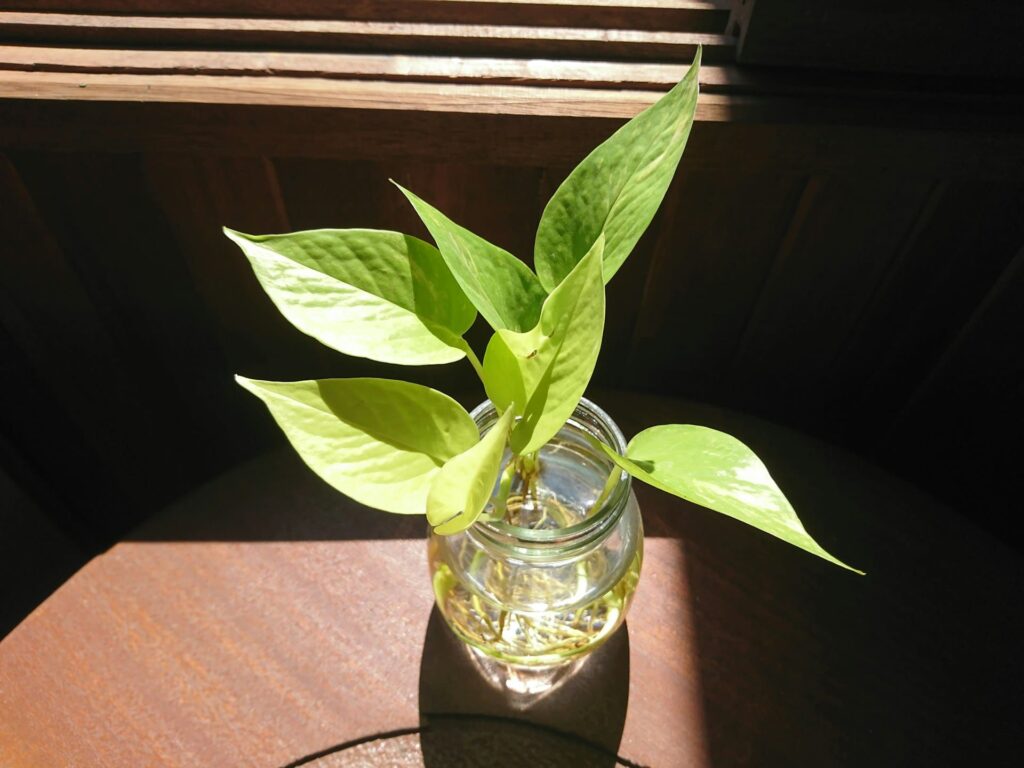
Completing the list are Boston Fern, English Ivy, Pothos, Dracaena, Bamboo Palm, Areca, Gerbera, Philodendron, Ficus elastica, Ficus benjamina, and Aglaonema: species that differ in appearance and maintenance but share a function beyond aesthetics.
Plants and purifiers: different, not alternative roles
Nasa studies do not put plants in direct competition with mechanical purifiers. The research, which was created for closed, sealed environments, indicates that vegetation can help reduce some chemical pollutants, but within broader air quality control systems. Plants act on specific volatile organic compounds, while mechanical devices remain more effective on fine dust, allergens and particulate matter. The relevant finding, for the home environment, is that greenery is not simply a decorative element, but a functional component of the indoor microclimate.
Before investing in a new electronic device, it is therefore worth looking carefully at a vacant corner of the living room. A plant alone will not solve the problem of indoor pollution, but it can make a measurable contribution to making the air more breathable.