Walking is good for you, we all know that. But doing it “the right way” can make all the difference. It is on this simple idea that the so-called Japanese walking, an exercise method that originated in academia and is now increasingly popular outside Japan as well. No equipment, no gymnasium, zero special effects-just alternating rhythms that turn a walk into a surprisingly effective exercise.
It is being talked about more and more in recent months, aided by word of mouth on social media, a growing focus on accessible physical activities, and a certain weariness from overly intense or complicated workouts. Japanese walking comes at the right time: it is simple, sustainable, and above all, compatible with real life.
What it is specifically
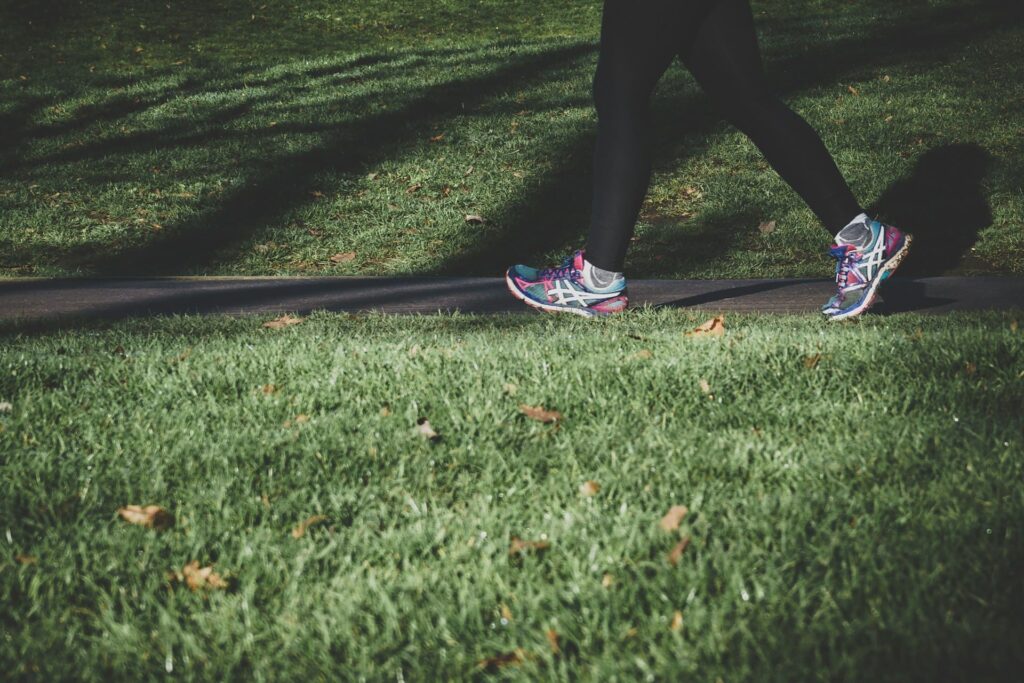
The idea is linear. It alternates between short phases of brisk pacing-intense enough to raise the breath rate but without getting to running-with slower recovery phases. The most common pattern involves three minutes at a brisk pace and three minutes at a leisurely pace, repeated for a total of half an hour.
It is not a relaxed walk, but neither is it an extreme workout. It is a compromise that stimulates the cardiovascular system, engages the leg muscles and improves endurance without overstressing the joints. This can be easily adapted to one’s age and physical condition: the “fast pace” is not an absolute measure, but what is challenging for walkers.
Why it is attracting more and more interest
The success of Japanese walking says a lot about the moment we are living in. There is a growing awareness that daily movement is essential, but there is also a growing mistrust of fitness models that are not inclusive, expensive or difficult to maintain over time. Here instead, all it takes is 30 minutes, four times a week, and a pair of comfortable shoes.
Also convincing to many people is the fact that you don’t need to “become an athlete” to get started. There is no high entry threshold, no competition, no performance anxiety. It is an activity that can be practised in parks, in the city, on the waterfront or simply close to home. And it is precisely this simplicity that makes it attractive to those who had stopped moving or had never really started.
The benefits
Alternating intensity is the key point. In the faster stretches the heart works harder,
Over time, improvements are observed in blood pressure, physical endurance, and leg muscle strength. Metabolism also benefits, as do balance and posture. And then there is the less visible but perhaps more important effect: moving consistently improves mood, reduces stress, and helps you sleep better. Without the need for sophisticated stopwatches or shouted motivational apps.
A method that reflects a philosophy
It is no coincidence that this approach comes from Japan, a country where walking is part of everyday life and where the idea of health is often linked to balance rather than performance. Japanese walking does not promise miraculous results in ten days, but it does propose a sustainable habit that can accompany people for years.
In this sense it dialogues well with other Nipponese practices related to wellness, based on regularity and listening to the body. It is fitness, yes, but without the obsession with “everything and now.”
Fashion or new standard of daily movement? It is too early to tell. But Japanese walking has a rare advantage: it doesn’t ask for a lifestyle change, just to walk a little better. In an age when time is short and sedentariness is plentiful, it may be this very normality that makes it a practice destined to stay.