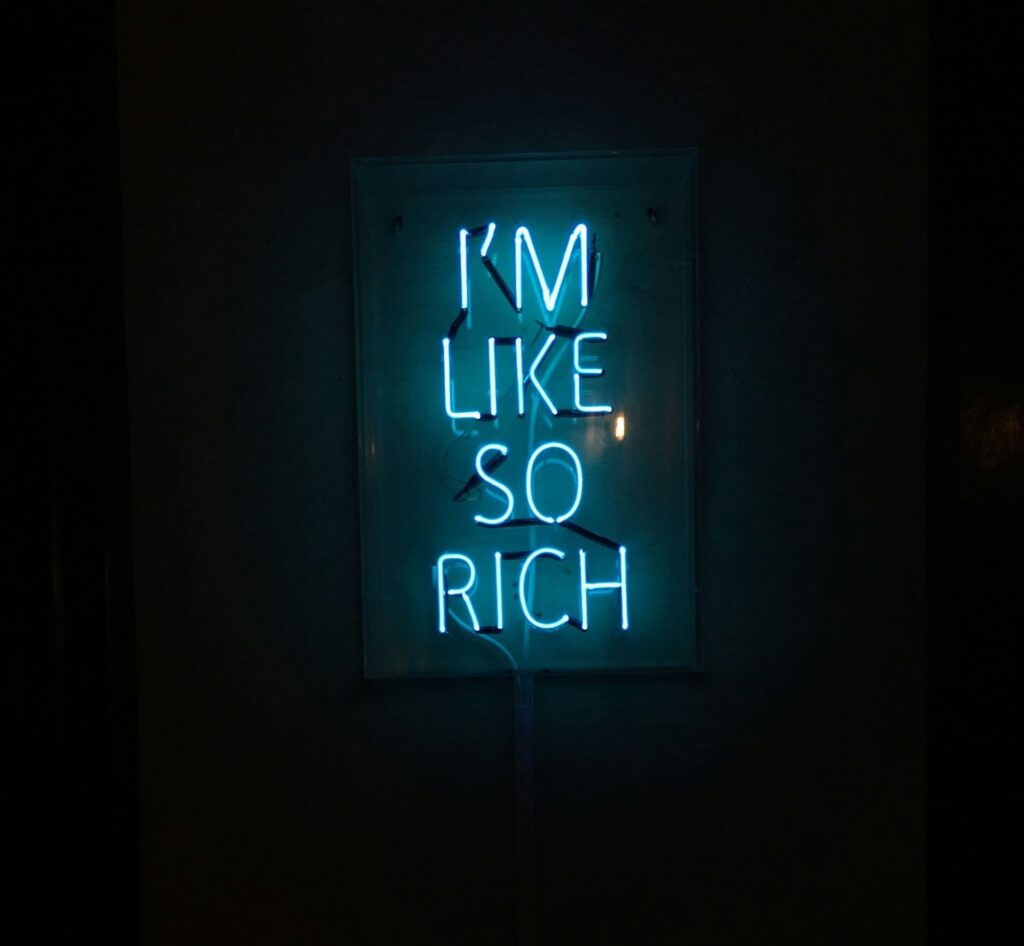
Some people on January 7 have yet to take down their Christmas decorations and some, on January 3, have already finished their annual “carbon budget.” These are the numbers contained in a new analysis by Oxfam: the richest 0.1 percent of the world’s population used up the amount of CO₂ compatible with the goal of limiting global warming to 1.5 degrees in three days. The wealthiest 1% took just ten days. Everyone else-the other 8 billion people-is still formally “on credit.”
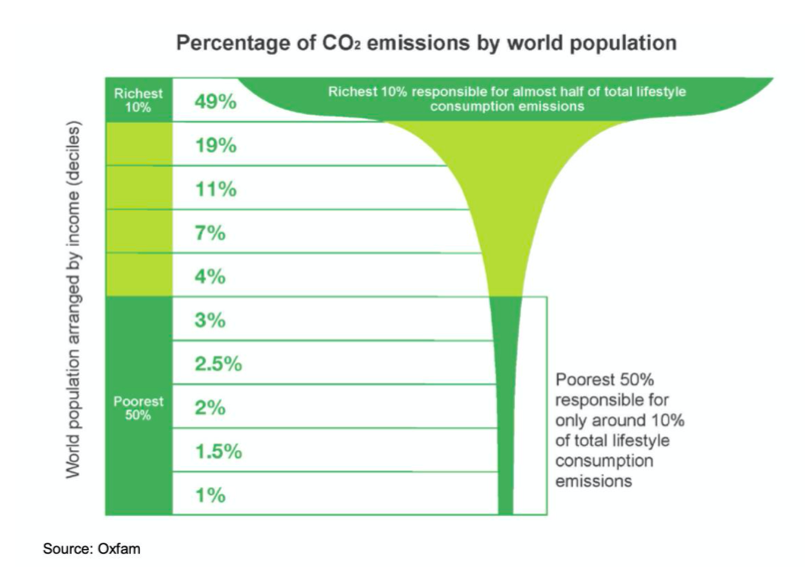
The emissions generated by the richest 1 percent of the Planet in a single year, Oxfam estimates, could cause 1.3 million global warming-related deaths by the end of the century. A human toll that makes the phrase “high-emissions lifestyle” suddenly very real.
And while a minority consumes CO₂ as if it can be done without limit, the costs are being passed on elsewhere. The economic damage caused by decades of excessive emissions by the wealthiest could reach, in low- and lower-middle-income countries, $44 trillion by 2050. A figure that translates into destroyed infrastructure, lost crops, strained health systems, and forced migration.
The problem is not only how they live, but where they invest
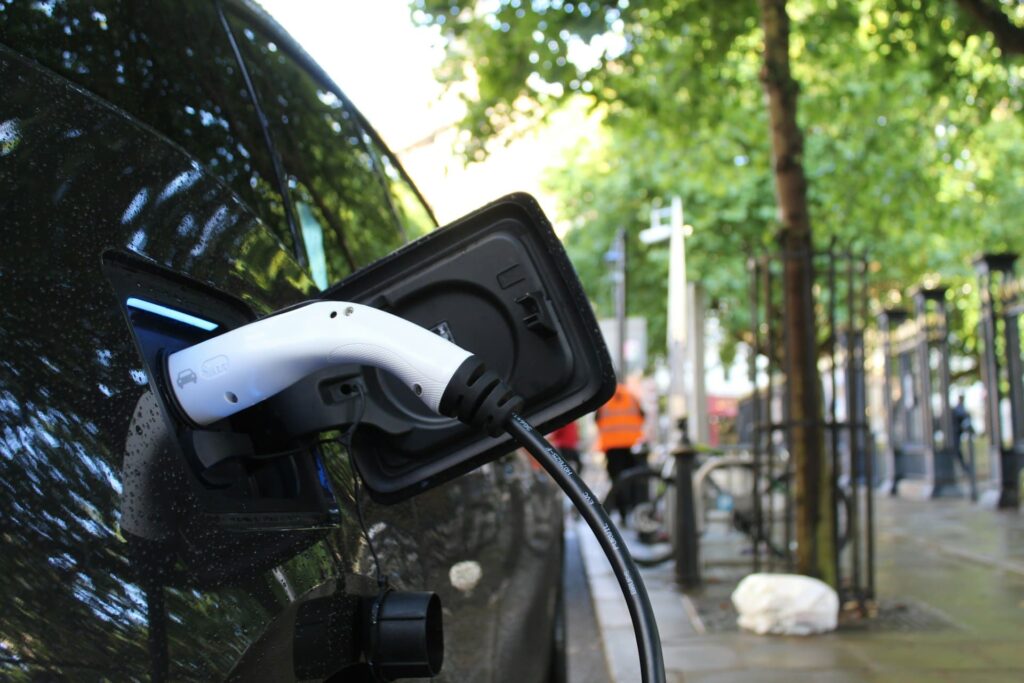
It’s not just the private jet or the energy-consuming mansion. Oxfam research also puts financial portfolios under the lens of analysis. On average, each billionaire invests in companies responsible for emitting 1.9 million tons of CO₂ per year. These emissions are not a side effect-they are the result of investment choices in fossil and carbon-intensive sectors that continue to be extremely profitable.
If the 1.5-degree climate target still makes operational sense, the math is ruthless: the richest 1 percent would have to reduce their emissions by 97 percent by 2030. Not by 20, not by 50. By 97 percent. Which explains why the policy debate prefers to talk about small individual adjustments rather than large concentrations of responsibility.
“Research shows that governments have a very clear and simple way to drastically reduce carbon emissions and address inequality: target the richest polluters,” explained Nafkote Dabi, Oxfam’s climate policy manager.
Who pays the bill
The ultimate paradox is well known, but it is worth remembering. Those who will suffer the worst impacts of the climate crisis will be the communities that have contributed the least to the problem: poor and vulnerable countries, indigenous peoples, women and girls. Not because the climate is unfair by nature, but because the economic model that governs it is.
The climate crisis, in other words, is not just an environmental issue. It is an issue of power, wealth and responsibility. And the first three days of the year remind us that someone is consuming the planet as if it were disposable.