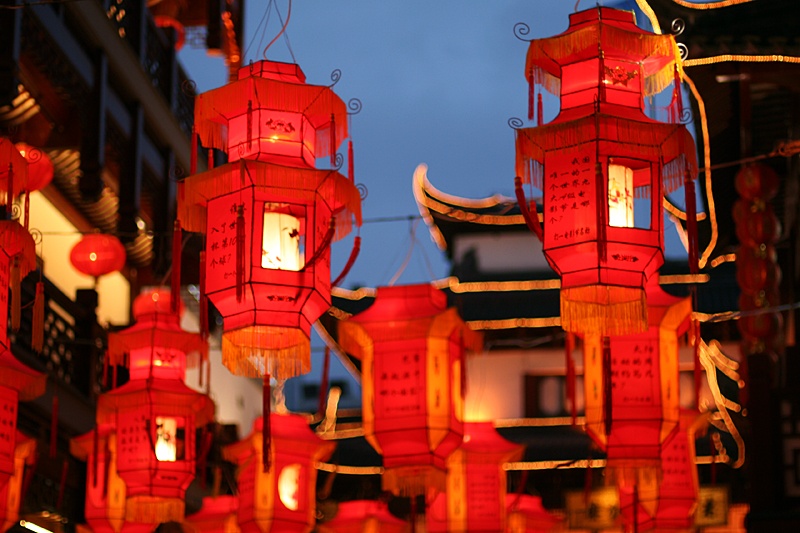
Rome returns to measure itself against one of the most heartfelt holidays for the Chinese community and, for some time, also for a growing part of the city: the Chinese New Year. From February 17, the Year of the Fire Horse kicks off, which will accompany the celebrations until March 3, the day dedicated to the Lantern Festival. A calendar that marks the symbolic transition to the new cycle and, at the same time, offers events that weave together ritual dimensions, public participation and cultural curiosity.
The party takes shape in Vittorio Square
The centerpiece of the initiatives is in the Nicola Calipari Gardens, close to Piazza Vittorio Emanuele II, where artistic performances, cooking demonstrations and spaces dedicated to the discovery of traditions will be concentrated on Saturday, Feb. 21. Stands and gazebos will offer a map of practices and knowledge, with the possibility of direct dialogue with the Roman Chinese community. On Sunday 22, the parade with dragons and lion dances will cross the area, marking the most anticipated moment. Free admission and the presence of institutional guests underscore the inclusive nature of the initiative.
Markets and libraries, celebration enters everyday life
For the first time, the Central Market is hosting a festival entirely dedicated to Chinese New Year, Feb. 18-28. Workshops, cooking classes and traditional dinners transform a space into a temporary laboratory of cultural contamination. The goal is to make accessible customs and symbols often perceived as distant, engaging diverse audiences from children to adults.
Municipal libraries are also participating in the program. On Feb. 25, the Nelson Mandela Library is offering a reading and origami workshop for children, combining the playful aspect with an initial approach to the narratives and symbols of the holiday. A sign of how Chinese New Year is increasingly being recognized as an educational as well as celebratory occasion.
The kitchen as a bridge
In the restaurants, the narrative passes through gastronomic paths that invite an understanding of the symbolic value of food in celebrations. Dao Restaurant and Dao Bistrot Jonio offer menus designed for sharing, in which tradition and creativity dialogue to restore the sense of renewal that accompanies the beginning of the lunar year.
The Roman Chinese New Year is also a suspended time in which the city experiments with different forms of coexistence, building spaces of cultural proximity.